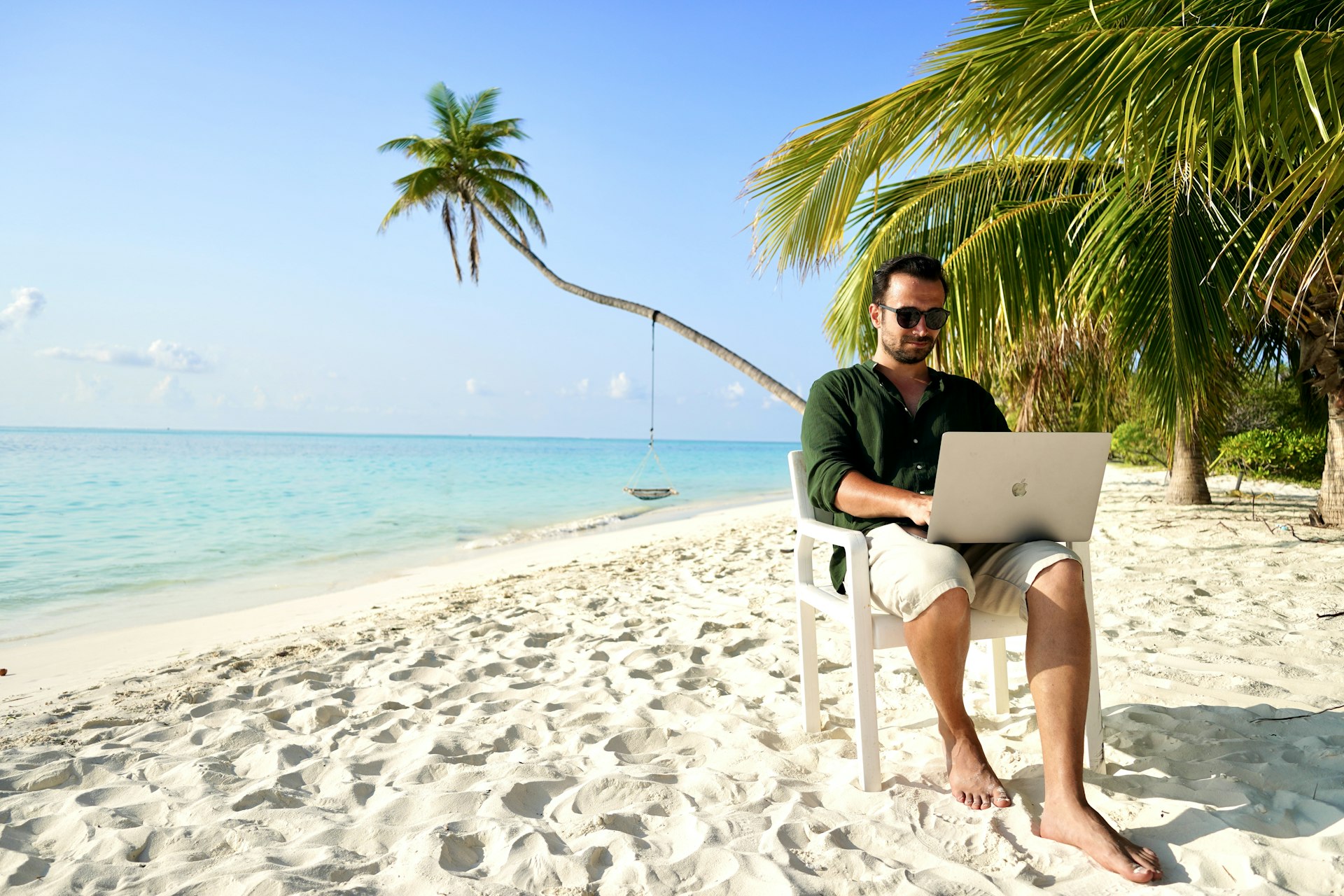
Top Trending Digital Nomad Destinations for 2025: Where Opportunity Meets Adventure

Photo by Elad Itzhaki on Unsplash
Introduction
The global digital nomad community continues to grow in 2025, with remote work making it possible to live and work from nearly anywhere. As more countries introduce streamlined visa programs and invest in infrastructure, new destinations are emerging as top choices for nomads seeking adventure, affordability, and a thriving international community. This guide explores the most popular and up-and-coming digital nomad destinations for 2025, with detailed advice on how to access residency, cost of living estimates, and actionable steps for getting started.
1. Europe’s New Hotspots: Portugal, Spain, and Estonia
Portugal continues to lead Europe’s digital nomad scene, especially in Lisbon and Porto. The country offers a digital nomad visa valid for up to a year (renewable), with fast internet, an affordable cost of living, and vibrant coworking spaces. To apply, you’ll typically need proof of remote employment and a minimum income; requirements are outlined on the government’s official immigration portal. Many nomads report monthly living expenses in Lisbon and Porto range from $1,500 to $3,000, depending on lifestyle and housing choices [1] . Alternative cities like Valencia and Budapest offer similar advantages, boasting robust expat communities, access to EU healthcare, and lively cultural scenes [2] .
Spain has become a magnet for remote workers, thanks to its digital nomad visa (valid up to five years). Cities such as Valencia and Barcelona attract with Mediterranean climate, extensive coworking options, and international networking events. Spain’s visa process requires proof of remote work and income, as well as local health insurance. For updated details, visit the Spanish government’s official immigration site or consult reputable expat forums for case studies and application walkthroughs [1] .
Estonia stands out for its pioneering e-residency program and efficient digital infrastructure. Its visa lets nomads stay for up to a year, and the process is fully digital. Tallinn, the capital, is a hub for tech startups and offers affordable rents, with most expats spending $1,200-$2,000 per month. For application guidance, refer to Estonia’s official e-residency portal.
2. Asian Paradises: Thailand, Indonesia, Vietnam, and the Philippines
Thailand remains a favorite, with Chiang Mai and Bangkok leading the way. Thailand’s affordability, vibrant street life, and strong coworking scene make it perfect for both new and seasoned nomads. The country is rolling out expanded remote work visa options, but travelers should check the latest requirements through the official Thai immigration website or embassy resources. Monthly living expenses typically range from $800 to $1,500, and the country’s 4G and fiber internet coverage is generally reliable in urban areas [3] .

Photo by D Z on Unsplash
Indonesia , with Bali at its heart, continues to attract digital nomads for its creative community, surf culture, and coworking hubs. Bali’s digital nomad visa is currently in pilot stages; requirements generally include proof of income and remote work. For the latest on eligibility, consult the Indonesian Ministry of Law and Human Rights or reputable expat resources. Shared housing, local food, and affordable transport keep costs low, often under $1,200 per month.
Vietnam offers bustling cities like Ho Chi Minh City and Da Nang, known for low living costs (often under $1,000/month), a growing startup scene, and excellent street food. While Vietnam doesn’t yet have a formal nomad visa, many remote workers use tourist visas or business visas. For current regulations, check the Vietnamese government’s official immigration page.
The Philippines is rising in popularity, especially the island of Siargao. Known for its beaches and surf culture, Siargao has seen a surge in coworking and coliving spaces. English is widely spoken, and monthly costs can be as low as $1,000. However, internet reliability can vary outside major cities, so research specific locations and coworking reviews before committing [4] .
3. Middle East and Africa: Dubai and Cape Town
Dubai has rapidly become a global leader for digital nomads, offering a dedicated remote work visa and world-class infrastructure. The city’s fast internet, international airport, and extensive networking options make it a strategic base for business and leisure. Dubai’s digital nomad visa requires proof of income and employment; details and application steps are available on the Dubai government’s official portals. The cost of living is higher than many Asian destinations, with most expats spending $2,500-$4,000 per month [5] .
Cape Town in South Africa is notable for its natural beauty, outdoor lifestyle, and growing tech scene. Internet speeds have improved significantly, and coworking spaces are multiplying. While South Africa does not yet offer a specific nomad visa, many travelers use existing long-term tourist or business visas. For current options, consult the South African Department of Home Affairs. Monthly living costs are typically $1,200-$2,500, depending on lifestyle [3] .
4. The Americas: Colombia, Mexico, and Beyond
Colombia and Mexico remain top destinations in the Americas for their culture, affordability, and strong expat communities. MedellÃn, Colombia, is renowned for its year-round spring climate and coworking culture. Mexico City and Playa del Carmen are favorites for their nightlife and proximity to the U.S. Both countries offer temporary resident visas suitable for remote workers; requirements typically include proof of income and remote employment. For up-to-date application processes, visit the official immigration pages for Colombia and Mexico.
The cost of living in these cities can range from $900 to $2,000 per month, depending on accommodation and lifestyle choices. Safety and internet quality can vary by neighborhood, so research is essential before relocating.
5. Visa Options and How to Apply
Many trending digital nomad destinations offer specialized visas for remote workers. Common requirements include:
- Proof of remote employment or freelance contracts
- Demonstrated minimum income (typically $2,000-$3,500/month, but varies by country)
- Valid health insurance
- Clean criminal record
To apply, always use the official government immigration website of your chosen country. If you are unsure of the process, search for the country name plus “digital nomad visa official site” for the most current guidance. Many consulates offer helplines and English-language resources to support applicants. Consider consulting established expat forums or legal advisors for complex cases.
6. Practical Steps for Getting Started
To launch your digital nomad journey in 2025, follow these actionable steps:
- Identify your priorities: cost, climate, community, and connectivity
- Research visa requirements and prepare documents in advance
- Join online communities (such as Reddit’s r/digitalnomad or Nomad List) for current advice and firsthand experiences
- Book short-term accommodation before committing long-term; platforms like Airbnb and Booking.com are widely used, but always verify reviews and internet speed claims
- Arrange health insurance valid in your chosen destination
- Once settled, explore coworking and coliving options to network with other remote professionals
7. Overcoming Challenges and Alternative Approaches
Some countries have shifting visa policies, or may not offer dedicated digital nomad visas. In such cases, consider traveling on a tourist or business visa, but always ensure you comply with local laws and do not overstay. Internet reliability, safety, and healthcare standards can vary; it’s wise to have backup plans such as mobile hotspots and telemedicine subscriptions.
If you are unable to meet income requirements for a specific visa, look for countries with less stringent entry rules or those that offer extended tourist stays. Keep in mind that joining coworking spaces and local meetups can provide valuable support and networking opportunities, regardless of your destination.
Conclusion
The digital nomad lifestyle in 2025 offers unprecedented freedom and opportunity, with new destinations and visa pathways emerging each year. By carefully researching requirements, leveraging online resources, and preparing thoroughly, you can enjoy a rewarding remote work experience in some of the world’s most exciting locations.
References
- [1] Rippling (2025). Top 21 countries with digital nomad visas + application guide.
- [2] Digital Nomad Lifestyle (2025). Top 10 Cities in Europe for Digital Nomads in 2025.
- [3] Nomad Capitalist (2025). Best Countries For Digital Nomads In 2025.
- [4] Things Nomads Do (2025). Best New Digital Nomad Destination in 2025.
- [5] Instant Offices (2025). Best places to be a digital nomad in 2025.