Practical Strategies for Responsible Wildlife Tourism: Protecting Nature Through Your Choices

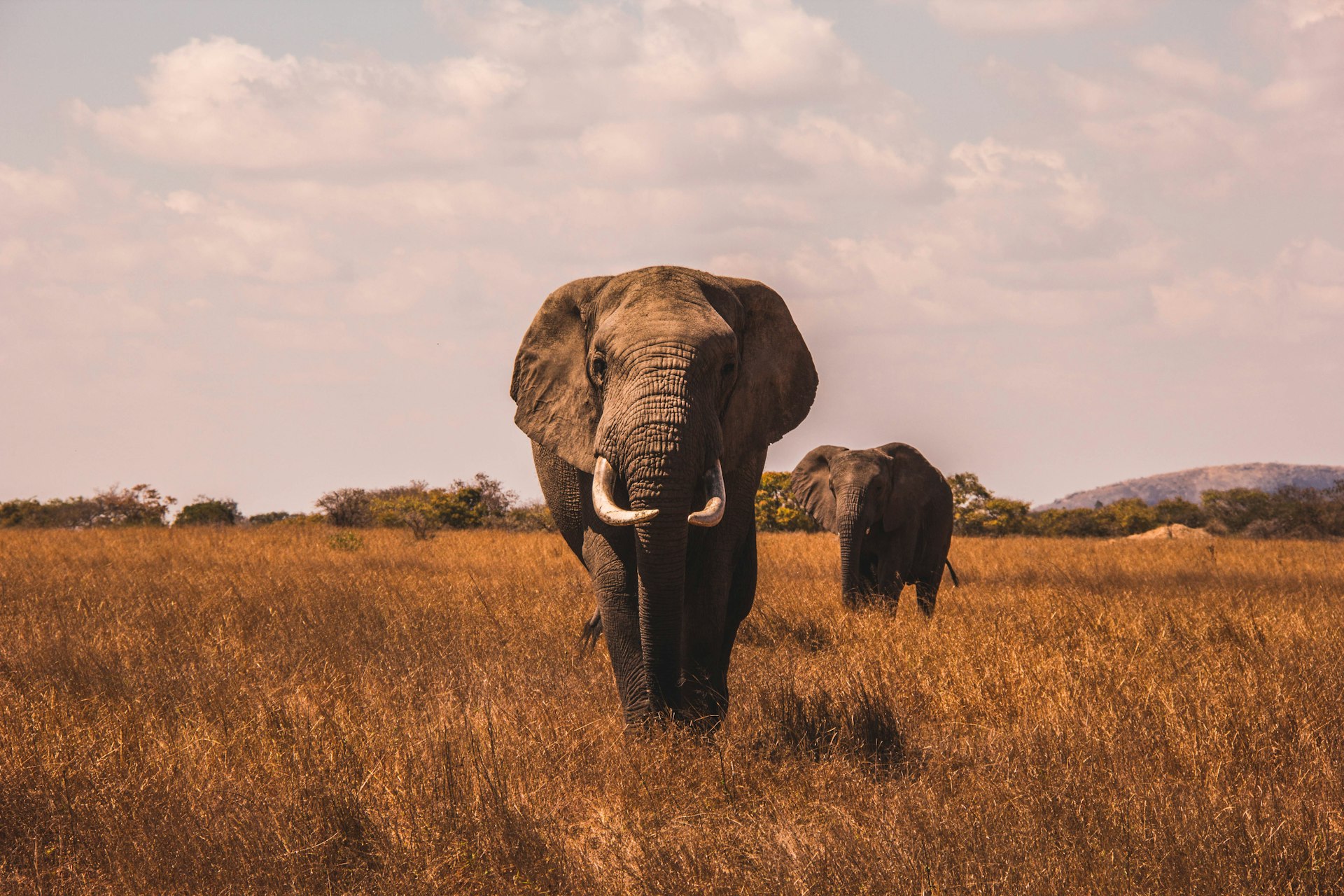
Photo by Arpit Rastogi on Unsplash
Understanding Responsible Wildlife Tourism
Responsible wildlife tourism is an approach to travel that places the well-being of animals, the health of ecosystems, and the needs of local communities at the center of every experience. Rather than simply observing or interacting with wildlife, responsible practices require travelers, operators, and communities to collaborate, ensuring tourism generates positive outcomes for both nature and people. This means avoiding activities that exploit or harm animals, supporting conservation efforts, and promoting educational and ethical encounters [1] .
Why Responsible Wildlife Tourism Matters
Wildlife tourism can bring substantial benefits, including economic opportunities for local communities and increased funding for conservation. However, when handled irresponsibly, it can lead to habitat destruction, stress and harm to animals, disruption of ecosystems, and even the loss of species. For example, certain wildlife attractions may engage in practices such as forced animal performances or photo opportunities that involve drugging or physically restraining animals, leading to suffering and long-term health problems [5] . Responsible tourism aims to reverse these trends by prioritizing animal welfare and environmental sustainability.

Photo by Emmy Shingiro on Unsplash
Key Principles of Responsible Wildlife Tourism
To ensure your wildlife tourism activities are ethical and sustainable, consider the following core principles:
- Conservation-Focused: Choose experiences that directly contribute to wildlife and habitat conservation. Many reputable wildlife tourism operators work alongside conservation organizations and direct a portion of their proceeds to local projects [1] .
- Animal Welfare: Avoid experiences that exploit or harm animals, such as performances, animal rides, or close-contact selfies. Instead, seek experiences where animals are observed in their natural habitats, free from disturbance [2] .
- Non-Intrusive Observation: Maintain a respectful distance from wildlife. Use binoculars or telephoto lenses for photography, never approach, touch, or feed wild animals, as these actions can cause stress and behavioral changes [5] .
- Community Empowerment: Support tourism operators and initiatives that provide fair economic opportunities for local communities. This not only incentivizes conservation but also ensures that tourism benefits are shared [1] .
- Education & Awareness: Choose tours that provide educational content about local species, habitats, and conservation challenges. This knowledge fosters respect and advocacy among travelers [2] .
- Regulation & Enforcement: Ensure your chosen activity adheres to local laws, international guidelines, and best practices for wildlife tourism. Many reputable destinations have strict regulations in place to protect wildlife from overexploitation [1] .
Step-by-Step Guide to Practicing Responsible Wildlife Tourism
1. Research Ethical Experiences and Operators
Begin by educating yourself about the destination and the wildlife experiences available. Look for tourism operators certified by recognized conservation or animal welfare organizations. Read reviews, especially negative ones, to identify red flags such as reports of poor animal treatment or unsafe practices. You can consult resources from organizations like World Animal Protection for advice on ethical wildlife tourism [2] .
When in doubt, contact the operator directly and ask about their animal welfare policies, conservation initiatives, and involvement with local communities. Responsible operators should be transparent and happy to provide this information.
2. Avoid Exploitative Activities
Do not participate in tours or attractions that offer animal performances, rides, or close-contact photo opportunities. For instance, close-up selfies with wild animals are usually only possible when animals are restrained, drugged, or otherwise mistreated. Initiatives such as the Wildlife Selfie Code advocate against these practices and encourage travelers to avoid sharing or taking such images [2] . Instead, capture photos from a distance using appropriate equipment and respect wildlife boundaries.
3. Observe Wildlife Responsibly
Always follow the guidance of trained naturalists or biologists when observing animals. Stick to marked trails and viewing platforms, and use quiet voices to minimize disturbance. Never feed wildlife, as this can disrupt their natural diets and behaviors. In marine environments, avoid swimming too close to animals or using boats that chase or crowd them. These simple actions reduce stress on animals and preserve natural behaviors [5] .
4. Support Conservation and Local Communities
Choose accommodations, tours, and experiences that employ local staff, use sustainable practices, and reinvest in conservation or community development. Many responsible operators will highlight their community partnerships and conservation projects on their websites or in pre-tour materials. If this information is not immediately available, ask directly for details, or check if the operator is a member of recognized industry forums or alliances supporting sustainability. You can also donate directly to conservation organizations active in the region you visit.
5. Report and Raise Awareness About Unethical Practices
If you witness animal mistreatment, irresponsible behavior, or illegal wildlife trade during your travels, report it to local authorities or international organizations specializing in animal welfare or conservation. Sharing your experiences with others-both online and in your community-can raise awareness and help others make better choices [5] .
Case Studies and Real-World Examples
Case Study 1: Whale Watching in Ecuador In Puerto López, Ecuador, whale watching tours guided by marine biologists follow strict codes of conduct: boats maintain a safe distance, engine noise is minimized, and animals are never pursued or disturbed. These tours contribute to local conservation research and provide employment for the surrounding community [5] .
Case Study 2: Community Conservancies in Africa Many African wildlife reserves are managed as community conservancies, where local people share in tourism revenue and participate in decision-making. This collaborative model has led to increased wildlife populations and improved livelihoods, demonstrating the power of responsible tourism to drive conservation and social benefits [1] .
How to Access Responsible Wildlife Tourism Resources
To find responsible wildlife tourism experiences:
- Search for tour operators certified by organizations such as the Global Sustainable Tourism Council (GSTC) or those affiliated with World Animal Protection. Visit their official websites for lists of accredited operators.
- Use keywords like “ethical wildlife tourism operator [destination]” or “responsible animal experiences [region]” when searching online.
- Consult your travel agent for recommendations of experiences that prioritize animal welfare and conservation.
- Download and review handbooks such as WWF’s “Guide to nature and wildlife responsible tourism practices,” which provides practical examples and guidelines for tour guides, businesses, and accommodations. These guides can often be found on national WWF websites or by searching for “WWF wildlife tourism guide” [3] .
- Before booking, ask operators about their conservation policies, community involvement, and animal welfare standards. Choose only those who provide transparent, detailed answers.
Overcoming Challenges and Exploring Alternatives
Challenges in responsible wildlife tourism can include lack of clear information, greenwashing (where companies falsely claim to be sustainable), or limited availability of certified operators in some regions. To overcome these hurdles, remain vigilant: conduct independent research, seek reviews from trusted sources, and consult conservation NGOs active in your destination.
When in doubt, consider alternative experiences such as visiting certified wildlife sanctuaries, participating in conservation volunteering, or supporting virtual wildlife education initiatives. These alternatives can offer meaningful engagement without risk to animal welfare.
Key Takeaways
Responsible wildlife tourism is a shared responsibility-by making informed, ethical choices, you help protect nature, support communities, and ensure wildlife experiences are positive for all involved. Remember to prioritize animal welfare, choose reputable operators, remain vigilant against exploitative practices, and spread the word about what responsible wildlife tourism truly means.
References
- [1] BNESIM (2023). Responsible Wildlife Tourism: Ethical Encounters and Conservation.
- [2] Pina Travels (2024). 10 Essential Tips For Responsible Wildlife Tourism.
- [3] WWF (2024). Guide to nature and wildlife responsible tourism practices.
- [5] Impactful Travel (2024). Ethical Wildlife Tourism: A Complete Guide.