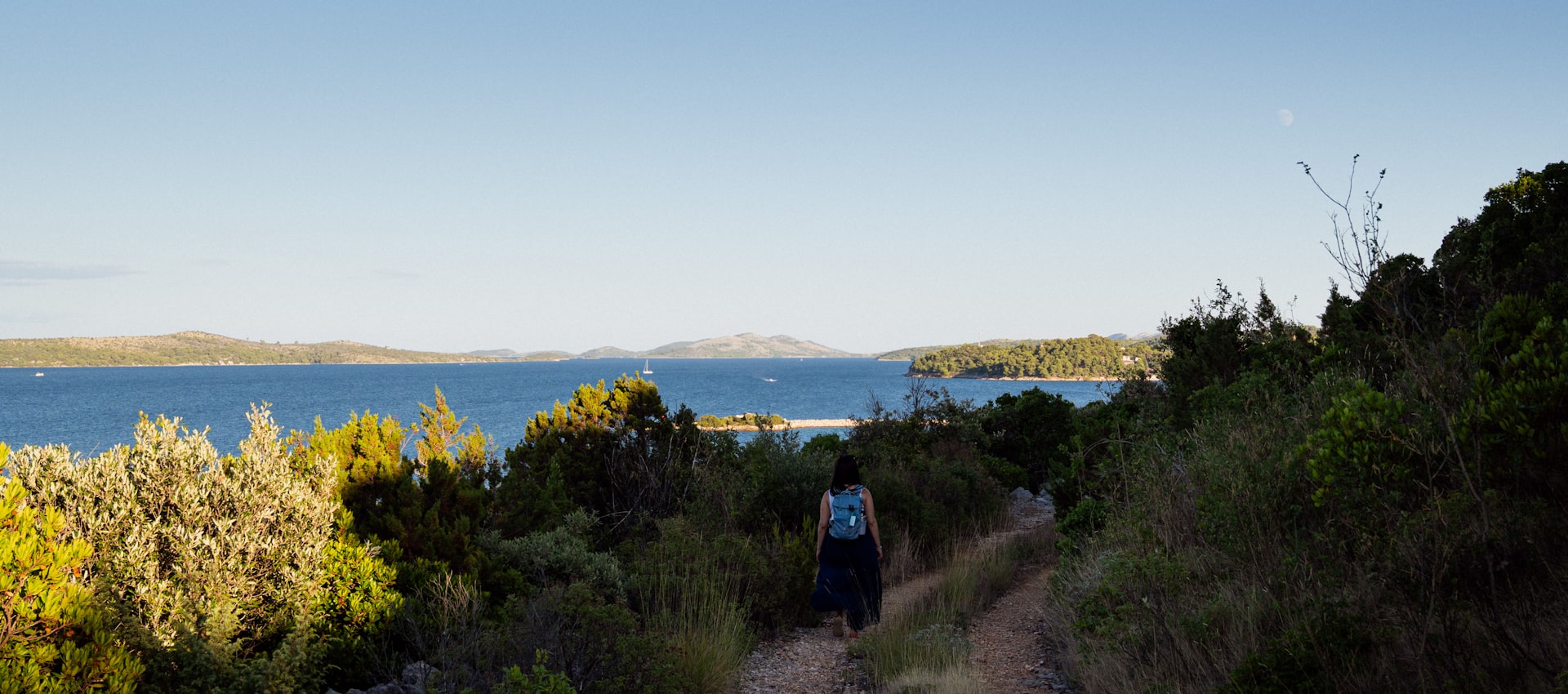
Unforgettable Coastal Road Journeys: Curated Routes for Slow Travelers

Photo by ashok sharma on Unsplash
Coastal road trips offer a unique blend of freedom, natural beauty, and cultural discovery. Unlike traditional travel plans that focus on ticking off landmarks, these journeys encourage you to slow down, take detours, and immerse yourself in the landscapes and communities that line the shore. Below are four carefully crafted itineraries that showcase some of the world’s most stunning coastal regions, each with its own distinct character and hidden gems.
Pacific Coast Highway, California (USA)
Stretching over 655 miles from San Francisco to San Diego, the Pacific Coast Highway (PCH) is one of the most iconic coastal drives in the world. This route winds along cliffs overlooking the Pacific Ocean, passing through redwood forests, charming beach towns, and dramatic rock formations. A 7-day itinerary allows you to fully experience the best of the PCH without feeling rushed.
Day 1: Start in San Francisco, then drive south to Monterey. Stop at the Bixby Creek Bridge, a concrete arch bridge that’s often featured in films and postcards. Spend the afternoon exploring the Monterey Bay Aquarium, one of the top aquariums in the world, before checking into a hotel in Carmel-by-the-Sea, a quaint village with cobblestone streets and art galleries.
Day 2: Head to Big Sur, a rugged stretch of coastline with some of the PCH’s most breathtaking views. Stop at Pfeiffer Big Sur State Park to hike through redwood groves and see the McWay Falls, a 80-foot waterfall that drops directly into the ocean. Camp overnight at a state park or stay at a luxury resort with ocean views.

Photo by Andrew A on Unsplash
Day 3: Continue south to San Simeon, home to Hearst Castle, a historic mansion built by newspaper magnate William Randolph Hearst. Take a guided tour of the castle’s opulent rooms and sprawling gardens, then spend the evening at a beachfront campground.
Day 4: Drive to Santa Barbara, known as the “American Riviera.” Explore the city’s Spanish-style architecture, visit the Santa Barbara Mission, and relax on East Beach. Dine at a seafood restaurant in the Funk Zone, a trendy neighborhood with wine bars and art studios.
Day 5: Travel to Los Angeles, but make a detour to Malibu to visit the Getty Villa, a museum dedicated to ancient Greek and Roman art. Spend the afternoon exploring Venice Beach, with its boardwalk, street performers, and colorful murals.
Day 6: Head south to Laguna Beach, a coastal town known for its art scene and beautiful beaches. Visit the Laguna Beach Art Museum, then hike the Top of the World Trail for panoramic views of the ocean and surrounding hills.
Day 7: Finish the trip in San Diego, where you can visit the San Diego Zoo, explore Balboa Park, or relax on Coronado Island.
Best time to go: Spring (March-May) or fall (September-November) offer mild temperatures and fewer crowds than summer. Winter can bring rain and road closures in Big Sur, so it’s best to avoid this season if possible.
Great Ocean Road, Victoria (Australia)
The Great Ocean Road is a 151-mile scenic drive along the southeast coast of Australia, built by World War I veterans between 1919 and 1932. This route passes through rainforests, coastal cliffs, and pristine beaches, and is home to the Twelve Apostles, a collection of limestone stacks that rise from the ocean. A 3-day itinerary is perfect for exploring the highlights of the Great Ocean Road.
Day 1: Start in Melbourne, then drive southwest to Torquay, the birthplace of Australian surfing. Visit the Surf World Museum, then continue to Bells Beach, a famous surf spot that hosts the annual Rip Curl Pro surfing competition. Spend the afternoon exploring Lorne, a charming beach town with cafes and boutique shops, before camping overnight at a nearby state park.
Day 2: Drive to the Twelve Apostles, the most iconic landmark on the Great Ocean Road. Take a helicopter tour to get a bird’s-eye view of the limestone stacks, then hike the Great Ocean Walk, a 62-mile trail that winds along the coast. Stop at Loch Ard Gorge, a scenic cove with a tragic history: in 1878, the ship Loch Ard wrecked here, killing all but two passengers. Visit the memorial and explore the gorge’s crystal-clear waters.
Day 3: Head to Port Campbell, a small fishing town with fresh seafood and stunning views. Stop at the Gibson Steps, a set of 86 stone steps that lead down to a beach with views of the Twelve Apostles. On your way back to Melbourne, detour to the Otway National Park to hike through ancient rainforests and see the Hopetoun Falls, a 30-meter waterfall that cascades into a pool below.
Best time to go: Summer (December-February) is the busiest season, but it’s also the best time for swimming and surfing. Spring (September-November) offers wildflowers and fewer crowds, while fall (March-May) brings mild temperatures and beautiful sunsets.
Amalfi Coast, Campania (Italy)
The Amalfi Coast is a 34-mile stretch of coastline in southern Italy, known for its colorful cliffside villages, lemon groves, and crystal-clear waters. This route is narrow and winding, so it’s best to drive slowly and take frequent stops to enjoy the views. A 5-day itinerary allows you to explore the Amalfi Coast’s top destinations and hidden gems.
Day 1: Start in Naples, then drive to Sorrento, a coastal town with panoramic views of the Bay of Naples. Visit the Sorrento Peninsula’s lemon groves, where you can sample limoncello, a traditional Italian liqueur made from lemons. Spend the evening dining at a family-owned restaurant that serves fresh seafood and homemade pasta.
Day 2: Head to Positano, a vibrant village with pastel-colored buildings that cascade down the cliff to the ocean. Explore the town’s boutique shops and art galleries, then relax on Spiaggia Grande, a pebbly beach with views of the Mediterranean. Take a boat tour to the Blue Grotto, a sea cave with bright blue water that’s illuminated by sunlight.
Day 3: Drive to Amalfi, the namesake town of the coast. Visit the Amalfi Cathedral, a 11th-century church with a distinctive striped facade, then hike the Path of the Gods, a scenic trail that offers panoramic views of the coast. Spend the afternoon exploring the town’s narrow streets and sampling fresh limoncello at a local distillery.
Day 4: Travel to Ravello, a hilltop village known for its gardens and music festivals. Visit the Villa Cimbrone, a historic villa with a terrace that offers stunning views of the coast, then attend a classical music concert at the Ravello Festival, which takes place every summer.
Day 5: Finish the trip in Pompeii, an ancient Roman city that was destroyed by the eruption of Mount Vesuvius in 79 AD. Take a guided tour of the ruins to learn about daily life in ancient Rome, then hike to the top of Mount Vesuvius for views of the Bay of Naples.
Best time to go: Spring (April-June) or fall (September-October) offer mild temperatures and fewer crowds than summer. Summer (July-August) is hot and crowded, but it’s also the best time for swimming and boating.
Cabot Trail, Nova Scotia (Canada)
The Cabot Trail is a 185-mile scenic drive around Cape Breton Island in Nova Scotia, Canada. This route winds through the Cape Breton Highlands National Park, offering views of the Atlantic Ocean, rugged cliffs, and rolling hills. A 4-day itinerary allows you to explore the Cabot Trail’s natural beauty and cultural heritage.
Day 1: Start in Sydney, then drive to the Cape Breton Highlands National Park. Stop at the Skyline Trail, a 5-mile hiking trail that offers panoramic views of the ocean and highlands. Spend the evening camping at a park campground or staying at a lodge in Ingonish.
Day 2: Head to Baddeck, a charming town on the Bras d’Or Lake. Visit the Alexander Graham Bell National Historic Site, which honors the inventor of the telephone, who lived in Baddeck for many years. Take a boat tour of the Bras d’Or Lake, a saltwater lake that’s home to a variety of wildlife, including whales and seals.
Day 3: Drive to Cheticamp, an Acadian town known for its traditional music and crafts. Visit the Acadian Village, a living history museum that showcases Acadian culture and heritage, then attend a ceilidh, a traditional Scottish and Acadian music and dance event.
Day 4: Finish the trip in Louisbourg, a historic town that was once a major French fortress. Visit the Fortress of Louisbourg National Historic Site, a reconstructed 18th-century fortress that offers a glimpse into life in colonial Canada. Spend the afternoon exploring the town’s shops and restaurants before driving back to Sydney.
Best time to go: Summer (June-August) offers mild temperatures and long days, making it perfect for hiking and camping. Fall (September-October) brings vibrant fall foliage and fewer crowds, while winter (December-February) is cold and snowy, but it’s a great time for cross-country skiing and snowshoeing.
When planning a coastal road trip, it’s important to prepare ahead of time. Make sure your vehicle is in good condition, pack plenty of water and snacks, and check for road closures or construction before you leave. Don’t be afraid to take detours-some of the best experiences on a road trip are the ones you didn’t plan for. Whether you’re traveling alone, with friends, or with family, a coastal road trip is an unforgettable adventure that will leave you with memories to last a lifetime.