Navigating Year-Round Journeys: Aligning Travel Plans with Global Climate Rhythms

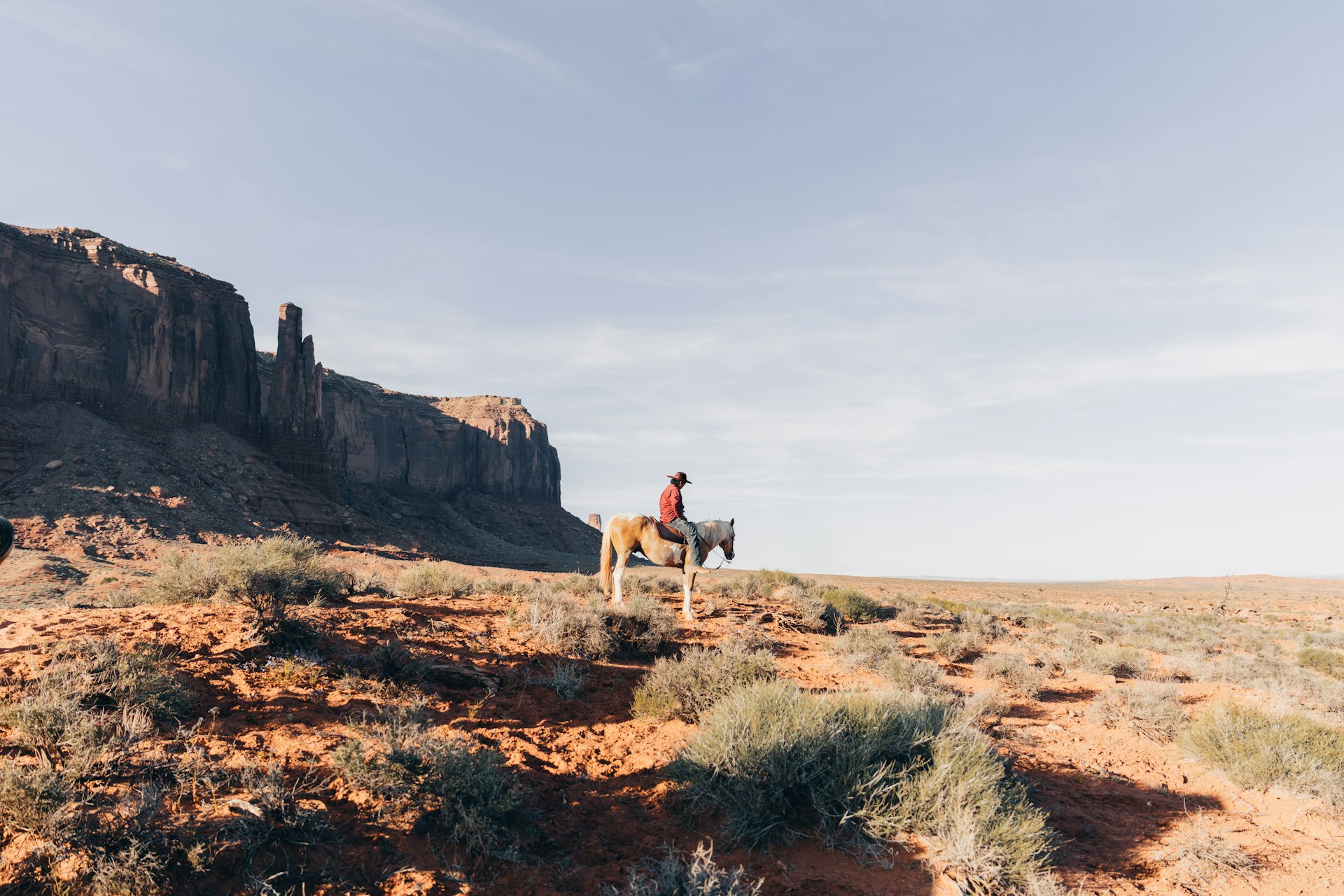
Photo by Angelo Casto on Unsplash
Travel is more than just visiting new places-it’s about connecting with the environment and culture of a destination in a way that feels authentic and timely. Climate patterns dictate not only the weather but also the rhythm of local life, from agricultural cycles to cultural festivals. By planning trips around these natural rhythms, travelers can engage with destinations in their most vibrant or serene states, avoiding crowds and maximizing enjoyment.
Spring: Embracing Renewal in Temperate Zones
In temperate regions, spring marks a period of rapid renewal. As temperatures rise and frost recedes, landscapes burst into color with blooming cherry blossoms in Japan, tulip fields in the Netherlands, and wildflower meadows in the Pacific Northwest of the United States. These seasonal displays are not just visually stunning; they are deeply tied to local traditions. For example, Japan’s hanami (flower viewing) festivals date back over a thousand years, with families and friends gathering under cherry blossom trees to picnic and celebrate the fleeting beauty of the blooms. Travelers visiting during this time can participate in these age-old traditions, gaining insight into the cultural significance of nature in Japanese society.

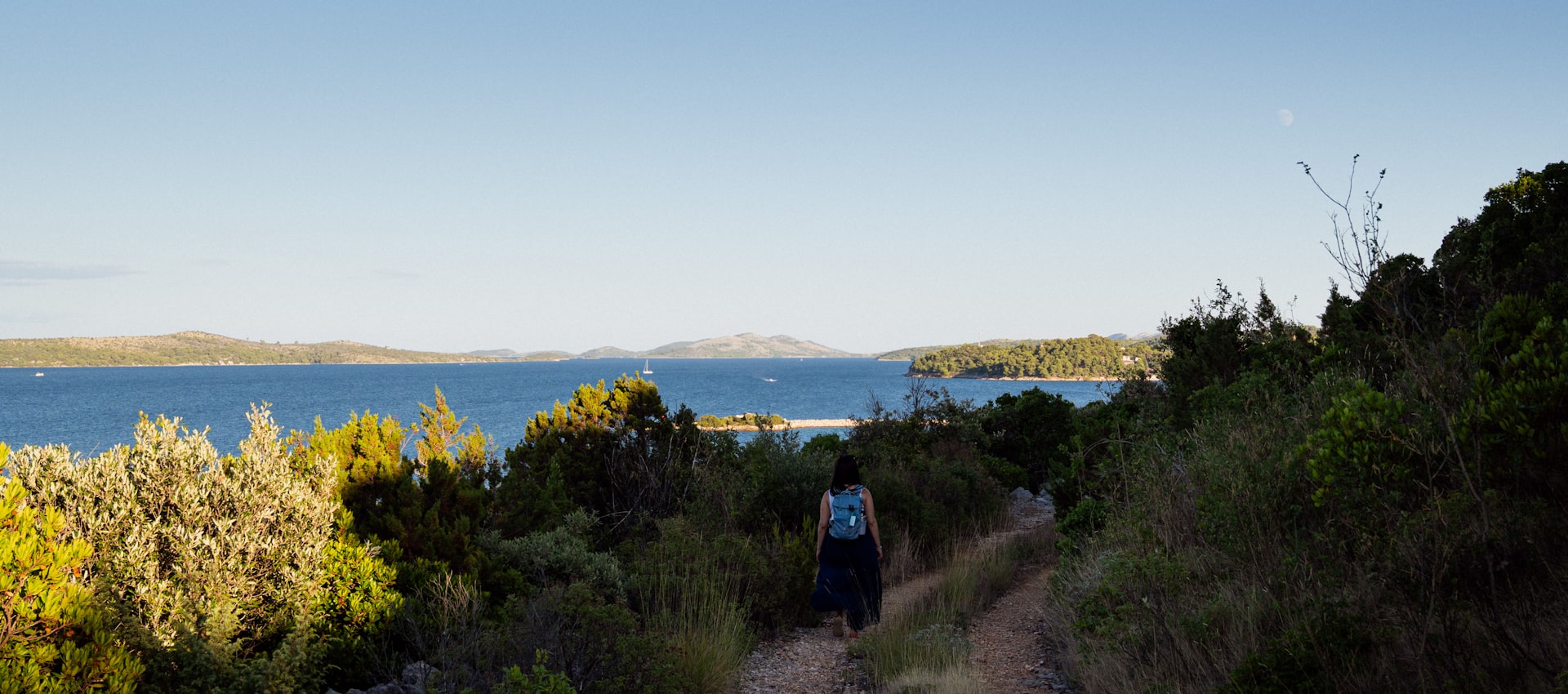
Photo by Marco Bicca on Unsplash
Spring also brings milder weather to many mountainous regions, making it an ideal time for hiking and outdoor exploration. In the Swiss Alps, for instance, the snow begins to melt in lower elevations, revealing lush green trails and alpine lakes. This is a perfect time for day hikes or multi-day treks, as the temperatures are comfortable and the crowds are smaller than in the peak summer months. Additionally, spring is a great time to visit wine regions like Tuscany, where vineyards are budding and winemakers are preparing for the growing season, offering unique opportunities to tour cellars and taste early-season wines. Over in the Pacific Northwest, the Columbia River Gorge comes alive in April and May with over 800 species of wildflowers, including purple lupines, yellow balsamroot, and pink shooting stars, drawing hikers and photographers from around the world.
Summer: Chasing Cooler Latitudes and Coastal Breezes
As summer arrives in the Northern Hemisphere, many tropical and subtropical destinations become hot and humid, while higher latitudes offer refreshingly cool weather. Travelers looking to escape the heat often head to places like Iceland, where the midnight sun provides nearly 24 hours of daylight, allowing for extended outdoor activities such as glacier hiking, whale watching, and exploring volcanic landscapes. The summer months also bring vibrant festivals to Northern Europe, including Norway’s St. Hans Eve, where bonfires are lit along the coast to celebrate the longest day of the year, accompanied by traditional music and dancing.
Coastal destinations around the world also shine in summer, with clear waters and gentle breezes making them ideal for swimming, snorkeling, and sailing. The Mediterranean coast, for example, offers warm, calm seas and historic coastal towns like Dubrovnik and Santorini, where travelers can explore ancient ruins while enjoying the pleasant summer weather. However, it’s important to note that popular coastal destinations can become crowded in peak summer, so planning trips to less-touristed areas like the Algarve in Portugal or the Amalfi Coast’s smaller villages can provide a more intimate experience. For those in the Southern Hemisphere, summer falls between December and February, making it the perfect time to visit places like Australia’s Great Barrier Reef, where the water is warm and clear, or Patagonia in Chile, where the weather is mild and ideal for trekking.
Autumn: Harvest and Golden Hues Across Continents
Autumn is a season of transition, as leaves turn golden and red in temperate regions and harvest festivals take center stage in agricultural communities. In New England, the fall foliage draws millions of travelers each year, with scenic drives through Vermont, New Hampshire, and Maine offering breathtaking views of changing leaves. This is also a great time to visit apple orchards and pumpkin patches, where visitors can pick their own produce and enjoy homemade pies and cider. Over in Europe, the wine harvest in Bordeaux, France, takes place in September and October, with winemakers inviting visitors to join in grape picking activities and taste the newly pressed wines.
In Asia, autumn brings cooler temperatures to countries like South Korea and China, making it an ideal time to visit cultural landmarks like the Great Wall of China or Gyeongbokgung Palace in Seoul. The harvest season also brings vibrant festivals to India, including Diwali, the Festival of Lights, where homes and streets are decorated with lamps and fireworks light up the sky. Travelers visiting during Diwali can participate in family gatherings, taste traditional sweets like gulab jamun and jalebi, and learn about the religious and cultural significance of the festival, which celebrates the victory of good over evil. In Japan, autumn is known for koyo (leaf viewing), with parks and mountains across the country turning fiery red and orange, drawing crowds of locals and tourists alike.
Winter: Warm Escapes and Snowy Adventures
For many travelers, winter means either escaping to warm tropical destinations or embracing the cold for snowy adventures. Tropical destinations like the Maldives, Bali, and the Caribbean offer sunny skies and warm waters, making them perfect for beach vacations and relaxation. These destinations also often have lower crowds in the winter months, as they are outside the peak tourist season for Northern Hemisphere travelers. In Bali, for example, winter brings drier weather, making it ideal for exploring rice terraces, visiting temples, and surfing in the clear waters of the Indian Ocean.
On the other hand, winter is a paradise for skiers and snowboarders, with destinations like the French Alps, Whistler in Canada, and Niseko in Japan offering world-class slopes and fresh powder. Winter also brings unique cultural experiences, such as the Northern Lights in Scandinavia and Iceland, where travelers can witness the aurora borealis dancing across the night sky. In Lapland, Finland, visitors can stay in glass igloos to watch the Northern Lights and meet Santa Claus, enjoying traditional Sami culture and reindeer sleigh rides. Additionally, winter festivals like Germany’s Christmas markets offer a chance to experience traditional holiday traditions, with stalls selling handmade crafts, hot mulled wine, and festive treats like gingerbread and stollen.
Understanding climate patterns is key to planning a travel experience that is both enjoyable and meaningful. By aligning trips with the natural rhythms of each destination, travelers can engage with local cultures, participate in seasonal traditions, and enjoy the best that each place has to offer. Whether seeking adventure, relaxation, or cultural immersion, taking the time to research local climate patterns and seasonal events can transform a good trip into a great one, inspiring travelers to continue exploring the world in new and thoughtful ways.