How Remote Work Is Transforming Global Travel Patterns: Opportunities, Challenges, and the Rise of the Digital Nomad

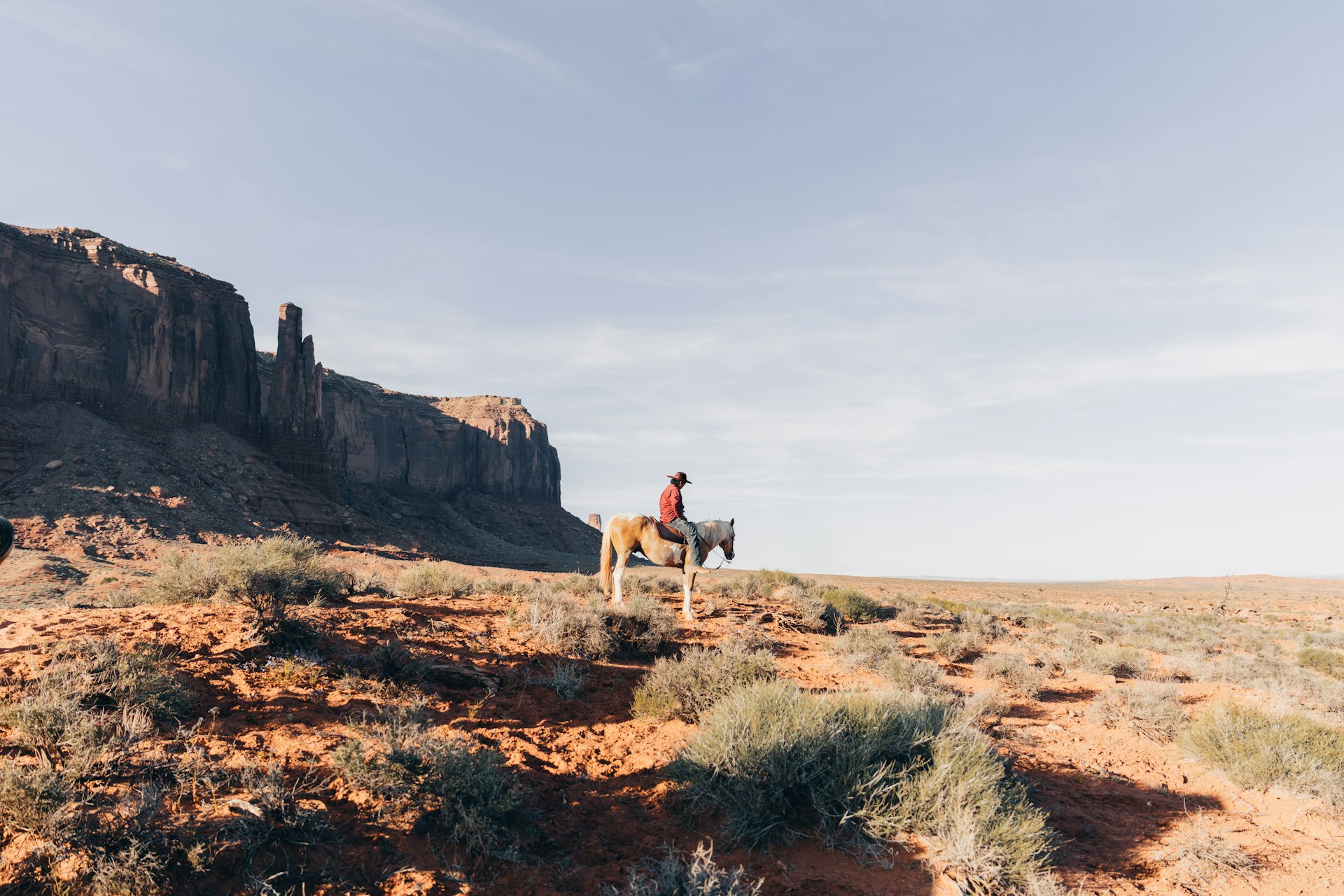
Photo by Artem Beliaikin on Unsplash
Introduction: The New Era of Work and Travel
Remote work has moved from a temporary necessity to a lasting fixture in the global economy. As of 2025, over 22% of the U.S. workforce-about 32.6 million people-work remotely in some capacity, and nearly one in five employees worldwide participate in remote or hybrid arrangements [3] . This evolution is not just changing how and where we work, but also fundamentally altering how, why, and where people travel. From redefining business travel to fueling the rise of digital nomadism, the impact of remote work on global travel patterns is profound and ongoing.
Remote Work’s Influence on Business Travel
Business travel, once dominated by routine meetings and client visits, is being reshaped by the flexibility of remote work. Many companies now rely on virtual platforms for lower-priority meetings, enabling them to cut costs while reallocating budgets to higher-impact, in-person engagements [1] . This shift has prompted organizations to:
- Adopt hybrid meeting models -combining in-person and virtual participation for greater flexibility.
- Invest in advanced technology to enable seamless collaboration across locations.
- Reevaluate travel policies and budgets, focusing more on strategic trips and less on routine travel.
However, despite a reduction in trip frequency, some businesses are seeing higher travel costs per trip. As teams become more geographically dispersed, necessary meetings now require longer travel distances, more complex logistics, and new destination planning. Travel managers must also update duty-of-care policies to address the safety and well-being of employees who may now travel from or to non-traditional locations [1] .
The Rise of the Digital Nomad: Long-Stay and ‘Bleisure’ Travel
The flexibility of remote work has given rise to a new class of traveler: the digital nomad. Unlike traditional tourists, digital nomads stay for weeks or months, often integrating into local communities. This trend is supported by new visa policies in countries eager to attract long-term visitors who contribute significantly to local economies through sustained spending on housing, dining, coworking, and leisure [4] .
‘ Bleisure ‘ travel-blending business and leisure-has also gained momentum. Employees are increasingly extending business trips for personal enjoyment or choosing work-friendly vacation destinations. This trend is reshaping hospitality, with demand rising for accommodations that cater to both productivity and relaxation [1] .

Photo by Leandro Barreto on Unsplash
Actionable Steps:
- If you’re a remote worker, research destinations that offer digital nomad visas. Many governments promote these programs on their official tourism or immigration websites. For example, Japan launched a Digital Nomad Visa in 2024, which can be found through the official Japanese government portals.
- Consider accommodations with reliable internet, coworking spaces, and local amenities. Reviews on established travel platforms can help you assess suitability.
- For businesses, update travel and remote work policies to support longer stays and mixed-purpose travel.
Tourism Industry Adaptation and Emerging Destinations
Tourism is experiencing a rapid rebound, with global travel spending projected to exceed $11 trillion in 2025 [2] . But the quality of travel experiences is evolving. Travelers now seek authenticity, wellness, and cultural immersion-trends amplified by the remote work revolution. Destinations previously overlooked are gaining popularity due to affordability, authenticity, and proactive policies to attract remote workers.
For example, Germany’s dedicated freelance visa has resulted in longer average stays compared to neighboring countries without such policies. This demonstrates how national regulations can directly influence travel patterns and economic impact [4] .
Practical Guidance:
- If you’re seeking new destinations, look for countries that actively promote remote work through visa programs or digital nomad incentives. Use official tourism or government websites to confirm requirements and opportunities.
- Businesses in hospitality and tourism should consider adapting services-offering longer-stay packages, high-speed internet, and flexible workspaces-to attract this growing demographic.
Opportunities and Challenges for Businesses and Travelers
Remote work presents both opportunities and challenges for the travel sector:
- Opportunities: New market segments (digital nomads, bleisure travelers), increased demand for long-stay accommodations, and growth in secondary destinations.
- Challenges: Increased complexity in travel planning, higher per-trip costs, and evolving duty-of-care obligations for employers.
Companies can adapt by:
- Embracing hybrid work and meeting technologies to reduce unnecessary travel.
- Revising travel policies to support flexibility, safety, and sustainability.
- Utilizing data-driven insights to anticipate employee preferences and optimize travel budgets.
For remote workers and digital nomads, it’s important to:
- Research visa and tax implications before relocating for work.
- Secure comprehensive travel and health insurance that covers remote work scenarios.
- Connect with local communities and coworking networks to enhance the remote work experience.
Sustainable and Tech-Driven Travel: The Next Frontier
Sustainability is a cornerstone of post-pandemic travel. As remote work reduces the frequency of business trips, companies can further minimize their carbon footprint by prioritizing virtual meetings and selecting eco-friendly travel options when travel is necessary [2] . Technology continues to play a pivotal role, with AI-based itinerary planning, contactless services, and data analytics enhancing both convenience and safety.
Travelers and businesses interested in sustainable travel should:
- Choose providers and platforms that emphasize environmental responsibility-many established booking sites now offer filters for eco-certified hotels and flights.
- Consider offsetting travel emissions through reputable environmental programs; details are typically available on airline and major travel agency websites.
- Leverage virtual and augmented reality for pre-trip research and destination selection, maximizing value and minimizing unnecessary travel.
How to Access Remote Work Travel Opportunities
Many resources and programs are available for those interested in remote work travel, but it’s critical to use official sources:
- For digital nomad visas, visit the official immigration or tourism websites of your destination country. Search for terms like “Digital Nomad Visa [Country]” or consult embassies for up-to-date requirements.
- To find remote-work-friendly housing, use established platforms such as Airbnb, Booking.com, or local real estate agencies. Always verify listings and reviews before booking.
- For remote work job opportunities, major employment platforms (LinkedIn, Indeed, Glassdoor) allow filtering for remote positions. Always confirm company legitimacy before applying.
- If you need legal or tax advice, consult with licensed professionals familiar with cross-border work arrangements. Many countries have official government resources or expatriate support services.
If you are planning to combine work and travel, review your current employer’s travel policies and consult HR on compliance, insurance, and expense coverage. Employers may also provide guidance or preferred vendors for long-term stays and travel safety.
Key Takeaways and Next Steps
The impact of remote work on global travel patterns is multi-faceted-driving new forms of travel, altering business travel strategies, and supporting emerging tourism markets. Both travelers and businesses must stay informed and agile to maximize opportunities and address challenges in this new landscape.
- For up-to-date travel trends, consult recognized industry sources or official tourism boards.
- When in doubt about visa requirements or travel restrictions, always refer to official government resources or embassies rather than third-party sites.
- Stay proactive: review policies, assess risk, and seek advice from trusted professionals when planning remote work travel arrangements.
References
- [1] DIB Travel (2024). Opportunities and Challenges: Remote Work’s Impact on Business Travel.
- [2] TRAppe Travel (2025). Tourism Trends 2025: Future of Travel.
- [3] StocksMantra (2025). The Impact of Remote Work on the Global Economy.
- [4] ForwardKeys (2025). Remote Work, Real Opportunity: How Digital Nomads Are Reshaping Global Tourism.