Discover Responsible Wildlife Tourism: Ethical Experiences That Protect Animals and Habitats

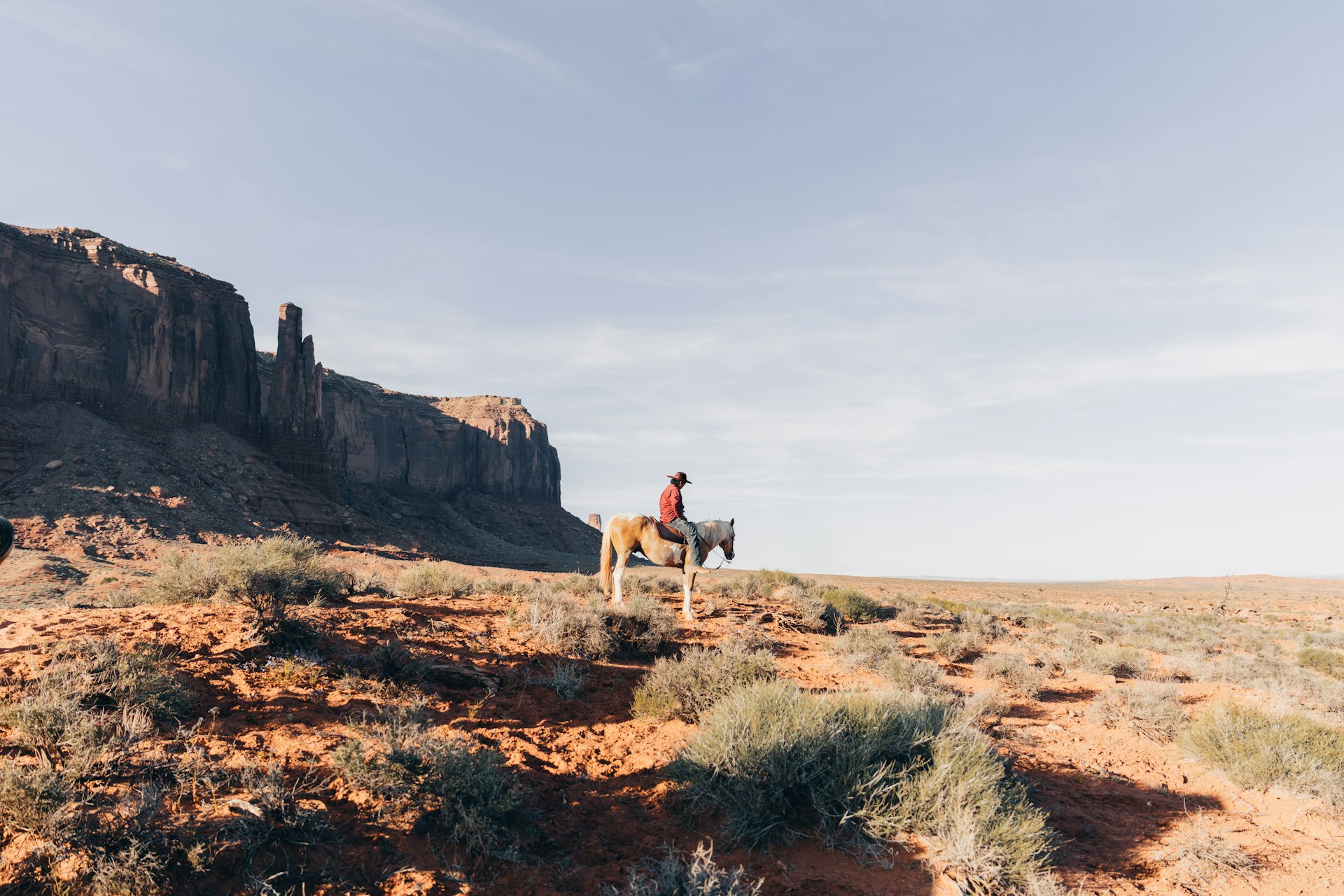
Photo by Florian Müller on Unsplash
Understanding Responsible Wildlife Tourism
Responsible wildlife tourism emphasizes experiences that prioritize animal welfare, habitat protection, and community benefits over mere entertainment. These tours avoid exploitative practices like animal rides, performances, or forced interactions, focusing instead on observation in natural or rehabilitated settings. According to experts, ethical operators adhere to guidelines such as no baiting, no touching, and directing profits toward conservation. [1] [7] This approach not only safeguards species but also educates visitors, fostering long-term stewardship. Travelers can identify responsible options by researching certifications, reading reviews for ethical practices, and confirming contributions to local conservation funds.
To plan such a trip, start by assessing operators through reputable platforms or associations like the Global Sustainable Tourism Council. Look for transparency in animal care protocols and evidence of rewilding efforts. Potential challenges include distinguishing genuine sanctuaries from disguised roadside zoos, so cross-reference multiple sources and avoid any promising close-up selfies with wild animals. Alternatives include virtual tours or local birdwatching to minimize travel carbon footprints while still engaging with nature.
Top Ethical Wildlife Experiences Worldwide
Ethical wildlife encounters span continents, offering immersive yet non-intrusive views of animals in near-natural habitats. One standout is the Jaguar Rescue Center in Puerto Viejo, Costa Rica, where visitors observe sloths, monkeys, toucans, and snakes during guided tours. The center rescues injured or orphaned animals, rehabilitates them, and releases them into protected areas like La Ceiba Forest. Tours highlight individual stories and conservation work, such as insulating power lines to prevent electrocutions, with no petting allowed to ensure stress-free environments. [1] Staying longer via volunteer programs provides deeper involvement, though slots fill quickly-book months ahead and prepare for humid conditions.
In Portugal, ethical birding tours by Salva Fauna exemplify low-impact observation. Guides avoid baiting or disturbing nests, educating participants on conservation while donating 10% of profits to habitat protection funds. This model supports biodiversity without altering animal behavior, ideal for bird enthusiasts seeking quiet, knowledgeable excursions. [1] Challenges like variable weather can be mitigated by choosing small-group tours with flexible scheduling.
South Africa’s Chimp Eden rehabilitates chimpanzees rescued from circuses and illegal trade, housing them in semi-wild enclosures free of human contact. Visitors observe from safe distances, learning about recovery processes that reinforce natural behaviors. Tours emphasize the sanctuary’s role in anti-poaching efforts, providing a poignant look at primate welfare. [2] To participate, join guided small-group safaris and respect viewing protocols to avoid stress.
African Safaris with a Conscience
Africa offers iconic responsible experiences, such as Kenya’s Giraffe Centre in Nairobi, dedicated to endangered Rothschild’s giraffes. Visitors hand-feed the animals from elevated platforms, funding releases-over 40 calves have been reintroduced to the wild. Entrance fees support preservation, blending education with safe interaction under expert supervision. [2] Combine this with broader safaris in Maasai Mara or Amboseli for comprehensive wildlife viewing, always opting for operators limiting vehicle numbers per sighting to prevent habitat disruption.
Further afield, Thailand’s ChangChill elephant sanctuary allows observation of Asian elephants roaming freely on guided walks. No riding or bathing occurs; instead, mahouts share insights into ethical care, countering exploitative trekking camps common in Chiang Mai. This hands-off approach promotes natural foraging and social bonds, with many sanctuaries sourcing from logging camps rather than wild captures. [2] [3] Travelers should verify rescue histories and avoid venues offering performances.
In Ecuador’s Galapagos Safari Camp on Santa Cruz Island, land-based eco-lodges facilitate hiking, snorkeling, and sightings of tortoises, sea turtles, and blue-footed boobies. Rewilded from former farmland, the camp uses solar power and local sourcing, with guest tree-planting activities aiding reforestation. Day trips to nearby islands with expert guides ensure regulated access, protecting this UNESCO site. [1]
Marine and Northern Hemisphere Gems
Marine-focused ethical tourism shines in Brazil’s Fernando de Noronha and South Africa’s Simon’s Town Penguin Colony. Divers in Fernando de Noronha explore vibrant reefs without feeding marine life, adhering to protected area rules. In Simon’s Town, fees fund seabird rehabilitation, having released over 7,000 penguin chicks. Both prioritize non-invasive observation, with guides enforcing distance to safeguard breeding grounds. [1] [2]
Alaska’s Wildlife Conservation Center near Anchorage houses rescued bears, moose, wolves, and bison in spacious, habitat-mimicking enclosures. Drive or walk the 1.5-mile loop, or book in-depth tours like ‘Walk on the Wild Side’ to learn rescue stories-no tricks or selfies permitted. This focus on rehabilitation supports regional conservation. [1]
Canada’s Vancouver Island offers wildlife cruises in Race Rocks Ecological Reserve, spotting sea lions, whales, and rare birds in the nation’s first marine protected area. Boat tours maintain safe distances, minimizing disturbance while highlighting ecosystem diversity. [2] Australia’s Taronga Zoo provides koala recovery experiences, including tree-planting for habitat restoration west of Melbourne. [3]
How to Choose and Plan Your Ethical Adventure
Selecting responsible operators involves verifying no-contact policies, conservation funding, and local employment. Research via sites like Responsible Travel or World Animal Protection for vetted options. [4] [7] Steps include: 1) Define interests (e.g., primates, marine life); 2) Check reviews for ethical claims; 3) Confirm certifications; 4) Book small groups; 5) Follow on-site rules like staying on paths. Challenges such as high costs can be addressed by off-season travel or volunteering. In Borneo, trekking with Dayak tribes supports indigenous communities and orangutan habitats, preventing evictions. [4]
Alternatives encompass self-guided national park visits or apps for virtual ethical tours. Always prioritize outfits avoiding cruel practices like those listed by World Nomads, such as captive safaris. [6] By choosing responsibly, travelers contribute to species survival and cultural preservation.

Photo by Florian Müller on Unsplash
Benefits and Long-Term Impact
These experiences yield educational depth, with visitors gaining insights into threats like poaching and habitat loss. Economically, they create jobs-e.g., female artisans in India’s Tiger Watch protect Bengals while crafting. [2] Conservation wins include rewilded lands and funded rescues. Post-trip, share stories to promote ethical choices, amplifying impact. Responsible tourism thus transforms passive sightseeing into active planetary aid.
References
[1] East End Taste Magazine (n.d.). Ethical Animal Tourism: A Guide to the 5 Best Wildlife Experiences. [2] Go Ahead Tours (n.d.). Top Responsible Travel Destinations for Wildlife Experiences. [3] Priority Pass (2022). Our Travel Tips and Top Destinations for Responsible Wildlife Watching. [4] Responsible Vacation (n.d.). Responsible Wildlife Vacations. [6] World Nomads (n.d.). Cruel Wildlife Experiences to Avoid on Your Next Holiday. [7] World Animal Protection Africa (n.d.). Responsible Wildlife Experiences.