Master Seasonal Travel Planning with Climate Awareness: Your 2026 Guide to Smarter Trips

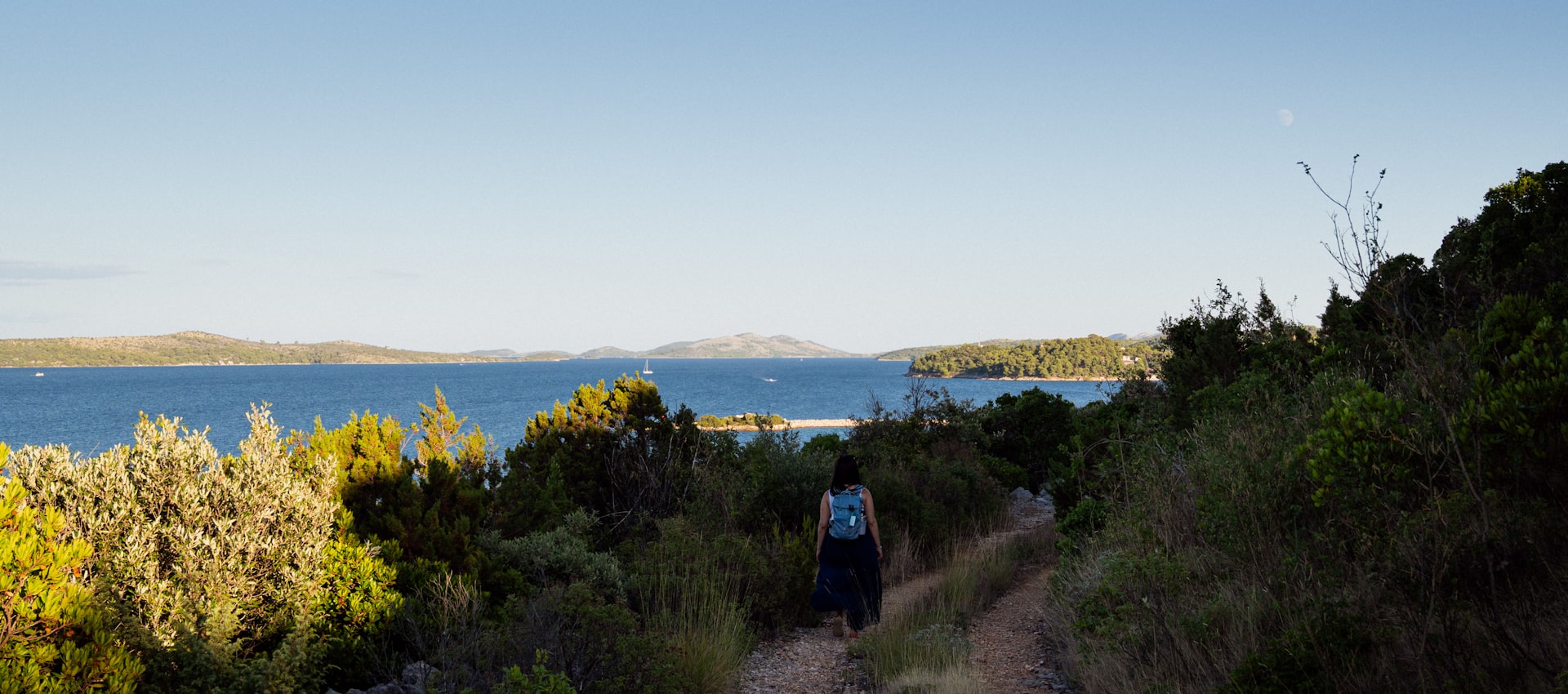
Photo by Samuel Svec on Unsplash
Why Seasonal Travel Planning and Climate Awareness Matter in 2026
Seasonal travel planning involves selecting destinations and dates based on weather patterns, crowd levels, and local events to maximize enjoyment and minimize costs. Climate awareness adds a layer of consideration for long-term weather trends, such as shifting rainy seasons or rising temperatures, helping travelers avoid disruptions like extreme heat or floods. In 2026, with events like the Winter Olympics and a total solar eclipse on the horizon, intentional planning allows for multiple trips rather than one high-pressure vacation. [1] This approach not only fits more adventures into your year but also promotes sustainable travel by choosing off-peak times that reduce pressure on popular sites.
Travelers who prioritize seasons report greater satisfaction due to authentic experiences, such as witnessing cherry blossoms in less crowded areas or exploring rainforests during vibrant wet periods. For instance, shoulder seasons-periods between peak and low times-offer cooler weather, fewer tourists, and lower prices, making them ideal for budget-conscious planners. [3] Challenges like unpredictable weather can be mitigated by packing versatile gear and monitoring forecasts from reliable meteorological sources. Alternatives include domestic trips during holidays to leverage long weekends without extensive PTO use.
Key takeaway: Start by reviewing your 2026 calendar for holidays and personal commitments, then layer in seasonal optima. This foundational step ensures climate-aware choices that enhance every journey.
Understanding Seasons and Climate Patterns for Optimal Planning
Seasons dictate destination viability; for example, winter suits snowy escapes to Lapland for midnight sun alternatives in summer, while summer favors beaches but risks heatwaves. Climate awareness means recognizing shifts, like extended wet seasons in the Amazon due to changing patterns, where March rains create accessible flooded forests teeming with wildlife such as pink dolphins. [5] In 2026, cooler climates trend as travelers seek respite from global warming, opting for Nordic autumns with northern lights hints or Canada’s Maritimes in shoulder months. [3]
To implement, research monthly climate data: Use tools from national weather services to compare averages, precipitation, and extremes. For Egypt in September, shoulder-season travel brings milder temperatures post-summer heat, coinciding with the Grand Egyptian Museum’s full operations amid fewer crowds. [4] Potential pitfalls include sudden storms; solutions involve flexible itineraries and travel insurance covering weather delays. Real-world example: Visitors to Finland’s Inari in autumn enjoy aurora previews without winter’s harsh cold, blending crisp air with changing foliage.
Expand your view by considering hemispheres-southern spring in Patagonia features blooming firebush and penguin returns, with crisp winds adding drama to glacier fjords. [5] Alternatives for heat-averse travelers include New Zealand’s April glow or Costa Rica’s green season for lush, wildlife-rich hikes. This climate-smart mindset turns potential disruptions into highlights.
Step-by-Step Guide to Building Your 2026 Seasonal Travel Calendar
Step 1: Envision goals. Create a bucket list aligning dreams with reality-cultural breaks, nature immersions, or events. Review your calendar for federal holidays like Memorial Day to extend trips without extra days off. [2] Step 2: Map seasons. Assign trips to optimal months; e.g., Antarctica expeditions in early year for accessible logistics, Japan in April for late cherry blossoms in Nagano. [4]
Step 3: Factor climate. Check historical data and 2026 forecasts for rain, heat, or dry spells. For Upper Amazon in March, wet-season vibrancy draws abundant fauna, but pack rain gear. [5] Step 4: Budget and book early. Estimate costs with a 15-20% buffer, targeting shoulder seasons for savings. AAA agents suggest packages for value. [2] Step 5: Prepare practically-universal adapters, meds, documents.
Example: A family plans spring Kyoto and fall Egypt, avoiding peak crowds via climate checks. Challenges like school schedules yield to hybrid remote work trips. Alternatives: Mix long immersions with short escapes, like a weekend in nature post-summer journey. [1] Track progress quarterly to adjust for emerging climate updates.
Top Seasonal Destinations and Climate-Smart Tips for 2026
January: Antarctica for emperor penguins, budgeting for premium access amid Drake Passage. [4] February: Winter Olympics host cities, blending sports with local winters. March: Amazon wet season for mirrored forests. [5] April: Japan’s wisteria festivals in quieter spots.
May-August: Lapland’s midnight sun for endless activities; shoulder into autumn Nordics. [3] September: Egypt’s cooler falls for pyramids sans heat. October-December: Patagonia springs, Japan/Thailand holidays.
Tips: Monitor events like Oktoberfest or migrations; choose shoulder for authenticity, e.g., Costa Rica’s green highlights. [3] Pack for variability-layers for shoulder unpredictability. Sustainability angle: Off-peak reduces carbon footprints via efficient flights.
Overcoming Challenges in Climate-Aware Travel
Climate change brings volatility; e.g., extended monsoons or wildfires. Solutions: Flexible bookings, apps for real-time updates, eco-operators. Budget hurdles met with rewards programs, packages. [2] Health prep includes first-aid, adapters. Case: Shoulder Finland avoids summer crowds, embraces aurora teases.
Alternatives for accessibility: Virtual previews, domestic parallels like U.S. national parks mimicking global seasons. Intentional planning fosters resilience, turning weather quirks into stories.

Photo by Raja Sen on Unsplash
Fitting Multiple Trips into Your Year Sustainably
Balance with short city breaks and immersive voyages; block time early around holidays. [1] Climate awareness ensures viability, like autumn Canada over peak summer. Track via journals or apps for reflection.
References
[1] Enchanting Travels (2026). Your 2026-2027 Travel Planning Guide.
[2] AAA (2026). Create Your Ultimate 2026 Travel Bucket List: A Step-by-Step Guide.
[3] Discover the World. The trends shaping how we travel in 2026 and beyond.
[4] Fora Travel. Best Places to Travel Every Month in 2026: Your Complete Guide.
[5] Lindblad Expeditions. Where to Go in 2026: A Month-by-Month Guide.