Travel Trends in Secondary Cities: Discover 2026’s Rising Hotspots

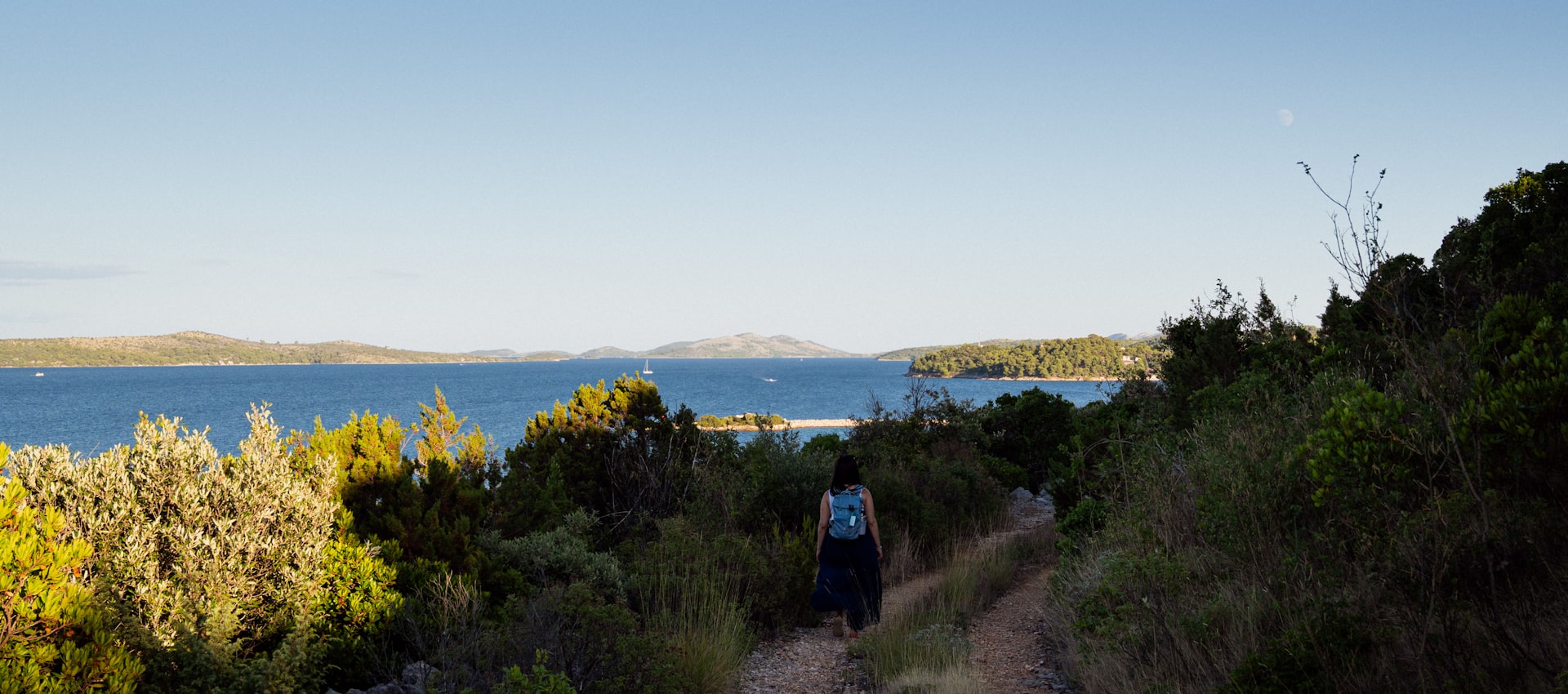
Photo by Laurentiu Morariu on Unsplash
Why Secondary Cities Are Dominating 2026 Travel Trends
Travelers are increasingly bypassing overcrowded capitals in favor of secondary cities, drawn by affordability, authenticity, and unique local charm. According to recent data, bookings to smaller European destinations rose 30% year-on-year in 2025, outpacing the 15% growth in major cities. [1] This shift reflects a broader “distributed travel” revolution, where demand spreads to non-gateway markets, boosting revenue per available room (RevPAR) in these areas faster than in saturated metros. [2] Secondary cities offer walkable layouts, rich stories, and slower paces that align with post-pandemic desires for meaningful escapes without the hassle of long transit times.
In Europe, Spain and Italy lead with hotspots like Salamanca, showing a 168% booking increase, followed by Marbella and Monopoli. [1] Globally, searches for mid-sized cities like Christchurch, New Zealand (up nearly 200%), Prague, and Sofia, Bulgaria, signal strong interest from U.S. travelers. [3] These trends stem from travelers prioritizing places with character over generic tourist hubs, as 21% plan visits to lesser-known spots in 2026. [1]
Key Drivers Behind the Secondary City Boom
Several factors fuel this movement. First, lower costs and fewer crowds make secondary cities appealing; travelers avoid high prices and lines in places like Paris or London. Second, enhanced connectivity via multi-modal transport-trains, buses, and regional flights-makes these spots accessible. [1] Data shows longer booking lead times in emerging destinations, indicating confidence and early planning. [2]
Additionally, a craving for authentic experiences drives demand. Small towns promise storytelling through history, local cuisine, and community vibes, contrasting big-city noise. [3] In the U.S., secondary markets see rising shoulder-season occupancy, mid-week stays from remote workers, and extended lengths of stay, blurring traditional peaks. [2] Sustainability and tech expectations, like easy bookings and eco-friendly options, further elevate these destinations as baseline requirements.
Challenges include limited infrastructure in some areas, but solutions emerge through new supply growth and diversified searches. Operators in overlooked regions are responding, creating opportunities for savvy travelers.
Top Secondary City Destinations for 2026
Europe dominates with Spain’s Salamanca (168% growth), Murcia, and Santiago de Compostela, alongside Italy’s Polignano a Mare, Alberobello, and Monopoli. [1] These spots offer cultural depth: Salamanca’s universities and plazas provide walkable history; Alberobello’s trulli houses deliver unique architecture. Beyond Europe, Christchurch leads global trends, followed by Prague (180% search rise) and Krakow (106%). [3]
In the U.S., secondary markets like those in the Midwest or South are capturing demand with rising RevPAR and off-season stability. [2] Small towns with lakes, hills, and historic downtowns trend for their calming appeal. Offbeat global picks include Laos, Kyrgyzstan, and Ghana for adventurous authenticity. [4] Each promises compact, character-filled itineraries ideal for short 1-3 night trips.

Photo by Sam Szuchan on Unsplash
How to Plan Your Secondary City Trip: Step-by-Step Guide
Start by identifying interests-culture, nature, or relaxation-then search for mid-sized cities with strong identities using terms like “walkable historic towns” or “affordable European secondary cities.” [3] Check booking platforms for trends; look for 30%+ growth signals.
Step 1: Research transport. Use multi-modal sites to find easy routes; Europe’s rising bookings tie to this flexibility. [1] Step 2: Book early, as lead times lengthen in hot spots. [2] Step 3: Opt for shoulder seasons to maximize value and minimize crowds. Step 4: Plan walkable itineraries-focus on local food, museums, and stories. For families or solos, choose welcoming, manageable spots.
Alternatives: If flights are pricey, consider trains or drives to nearby towns. For U.S. travelers, prioritize short-haul to cut transit waste. Potential hurdles like language barriers can be addressed via apps or guided walks; always verify visa needs.
Who Benefits Most: Solo, Family, and Multigenerational Travelers
Solo travelers shift to reflective, less crowded spots like quiet coasts or cultural towns for reconnection. [3] Families surge in multigenerational trips to compact cities with broad appeal. Mid-sized urban areas with museums and events suit all ages without exhaustion. Examples: Prague’s walkable core lets families explore castles and bridges in a day.
These trends favor wellness-focused escapes, aligning with blurring seasonality for flexible remote work stays. [2] Key takeaway: Secondary cities deliver high value with low stress.
Future Outlook and Sustainability Focus
As demand diversifies, secondary cities will innovate with tech and green practices to meet expectations. [2] Travelers can contribute by choosing off-peak visits and local operators. This trend promises sustained growth, rewarding geographic diversification.
References
[1] Travel Daily Media (2026). Secondary cities lead Europe’s 2026 travel trends.
[2] Key Data Dashboard. 2026 Travel Industry Trends to Watch: What the Data Is Already Showing.
[3] The Travelling Fool (2026). The Most Important 2026 Travel Trends You Need to Know.
[4] Odysseys Unlimited. 11 Travel Trends to Watch For in 2026.