Uncovering the Stories Behind World-Famous Vineyard Destinations

Photo by Kym Ellis on Unsplash
The Intersection of Land and Culture
Viticulture is deeply tied to the concept of terroir-a term that encapsulates the combination of soil, climate, topography, and human influence that gives a wine its unique character. This connection is especially evident when visiting vineyards, where every row of vines tells a story of adaptation to the local environment. In regions like Bordeaux, France, the gravelly soils of the Médoc peninsula drain water quickly, forcing vines to grow deep roots to access moisture, resulting in wines with firm tannins and complex flavors. Local winemakers here have honed their craft over centuries, passing down knowledge about which grape varieties thrive in each microclimate, from Cabernet Sauvignon in the warmer, well-drained areas to Merlot in the cooler, clay-rich valleys.
In contrast, the Marlborough region of New Zealand offers a different terroir story. Its cool maritime climate, with long hours of summer sunlight and crisp nights, creates ideal conditions for Sauvignon Blanc vines. The region’s success in producing this grape variety is not just due to natural factors but also to the innovation of local winemakers who recognized the potential of the area in the 1970s. Today, visitors can walk through vineyards that stretch across rolling hills, learning how the region’s unique wind patterns help prevent fungal diseases and contribute to the bright, zesty flavors of the wines.
Seasonal Variations in Vineyard Visits
The experience of visiting a vineyard changes dramatically with the seasons, each offering a distinct set of activities and insights. In spring, vineyards come alive with new growth-tender green shoots emerge from the vines, and winemakers focus on pruning and training the plants to ensure optimal fruit production. Visitors may have the chance to join pruning workshops, where they learn how to shape the vines to maximize sunlight exposure and air circulation. Spring also brings bloom time, when the vineyards are covered in delicate white flowers, creating a picturesque backdrop for walks and picnics.
Summer is harvest season in many Northern Hemisphere regions, a busy and exciting time for winemakers and visitors alike. During this period, visitors can participate in grape picking (depending on the vineyard’s policies), sorting grapes to select the best clusters for fermentation, and even helping with the initial stages of winemaking, like pressing grapes. The atmosphere is energetic, with teams working long hours to bring in the crop before the weather turns. In the Southern Hemisphere, harvest season falls between February and April, offering a chance to experience this busy time during the Northern Hemisphere’s winter months.
Autumn brings a shift in focus as the vines prepare for dormancy. The leaves turn vibrant shades of red, orange, and yellow, making vineyards a popular destination for fall foliage enthusiasts. Winemakers are busy monitoring the fermentation process and beginning to age wines in oak barrels. Visitors can taste young wines straight from the barrel, getting a preview of what will eventually be bottled, and learn about the aging process from cellar masters. Winter is a quieter time, but it still offers unique experiences-many vineyards host workshops on wine blending, where visitors can create their own custom bottle of wine, or cellar tours that focus on the history of the winery and the art of aging wines.
Immersive Experiences Beyond Tastings
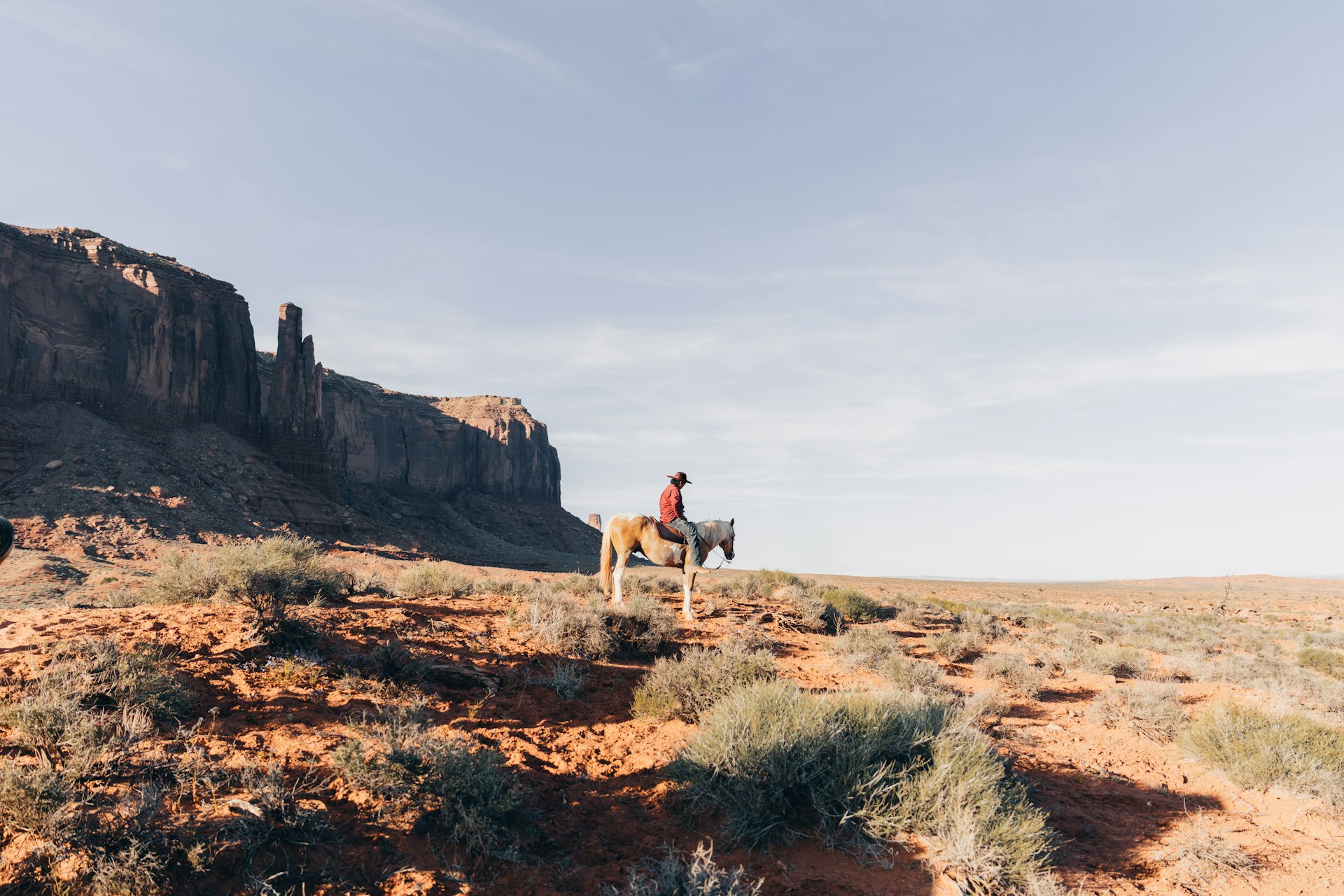
While wine tastings are a core part of any vineyard visit, many destinations offer immersive experiences that go beyond sipping wines. For example, in the Napa Valley region of California, some vineyards offer farm-to-table dinners that feature ingredients grown on the winery’s own land. These meals are paired with the winery’s wines, and chefs often explain how each dish complements the flavors of the wine. Visitors can also take horseback rides through the vineyards, getting a unique perspective of the landscape and learning about the sustainable farming practices used to maintain the vines.
In Italy’s Tuscany region, agriturismi-farm stays-are a popular way to immerse oneself in vineyard culture. Visitors can stay in restored farmhouses on vineyard properties, helping with daily tasks like feeding livestock, harvesting olives, or making cheese. Many agriturismi also offer cooking classes, where participants learn to make traditional Tuscan dishes like pappardelle al ragù and bruschetta, paired with local Chianti wines. These stays provide a deep dive into the daily life of a Tuscan farming community, allowing visitors to connect with the land and the people who call it home.
Another unique experience is wine tourism focused on history. In the Douro Valley of Portugal, a UNESCO World Heritage Site, visitors can take boat tours along the Douro River, passing by terraced vineyards that have been in use for over 2,000 years. The valley is known for producing Port wine, a sweet, fortified wine that has been exported around the world since the 17th century. Visitors can tour historic cellars in Vila Nova de Gaia, where Port wines are aged in oak barrels, and learn about the trade routes that brought these wines to Europe and beyond.
Sustainable Practices in Modern Viticulture Travel
In recent years, sustainable viticulture has become an increasingly important focus for winemakers and travelers alike. Many vineyards are adopting organic or biodynamic farming practices, avoiding synthetic pesticides and fertilizers and instead using natural methods to maintain soil health and control pests. For example, some vineyards use cover crops like clover to prevent soil erosion and add nutrients to the soil, while others introduce beneficial insects like ladybugs to control aphids.
Visitors can learn about these practices through guided tours that focus on sustainability. In the Willamette Valley of Oregon, for instance, several biodynamic vineyards offer tours that explain how they use lunar cycles to guide planting and harvesting, and how they compost grape skins and seeds to create natural fertilizers. Some vineyards also use renewable energy sources like solar panels to power their operations, reducing their carbon footprint.
Sustainable wine tourism isn’t just about the farming practices-it’s also about minimizing the environmental impact of travel. Many vineyards offer eco-friendly accommodations, like solar-powered guesthouses or glamping sites that use compostable materials. Some regions have also developed bike trails that connect vineyards, allowing visitors to explore the area without relying on cars, reducing emissions and providing a more intimate experience of the landscape.
Connecting with Winemakers and Local Communities
One of the most rewarding aspects of visiting vineyards is the chance to connect with winemakers and local community members. Many winemakers are passionate about sharing their knowledge and stories, and visitors often have the opportunity to sit down with them for a casual chat over a glass of wine. These conversations can reveal insights into the challenges of winemaking, like dealing with extreme weather events or adapting to changing consumer preferences, and the joys of seeing a harvest come to fruition.
Local communities also play a key role in wine tourism. In regions like the Rioja region of Spain, vineyards are often part of small villages where viticulture is a central part of the community’s identity. Visitors can participate in local festivals, like the Harvest Festival in September, where they can dance to traditional music, eat local dishes, and taste wines from nearby vineyards. These festivals provide a chance to experience the culture and traditions of the region beyond the vineyard gates.

Photo by Dan Meyers on Unsplash
Whether you’re a seasoned wine enthusiast or a casual traveler looking to explore new destinations, vineyard visits offer a unique combination of culture, history, and natural beauty. Each region has its own story to tell, and taking the time to explore these stories can deepen your appreciation for the wines you drink and the people who make them. By engaging with the land, the winemakers, and the local communities, you can create memories that last a lifetime and gain a deeper understanding of the world of viticulture.