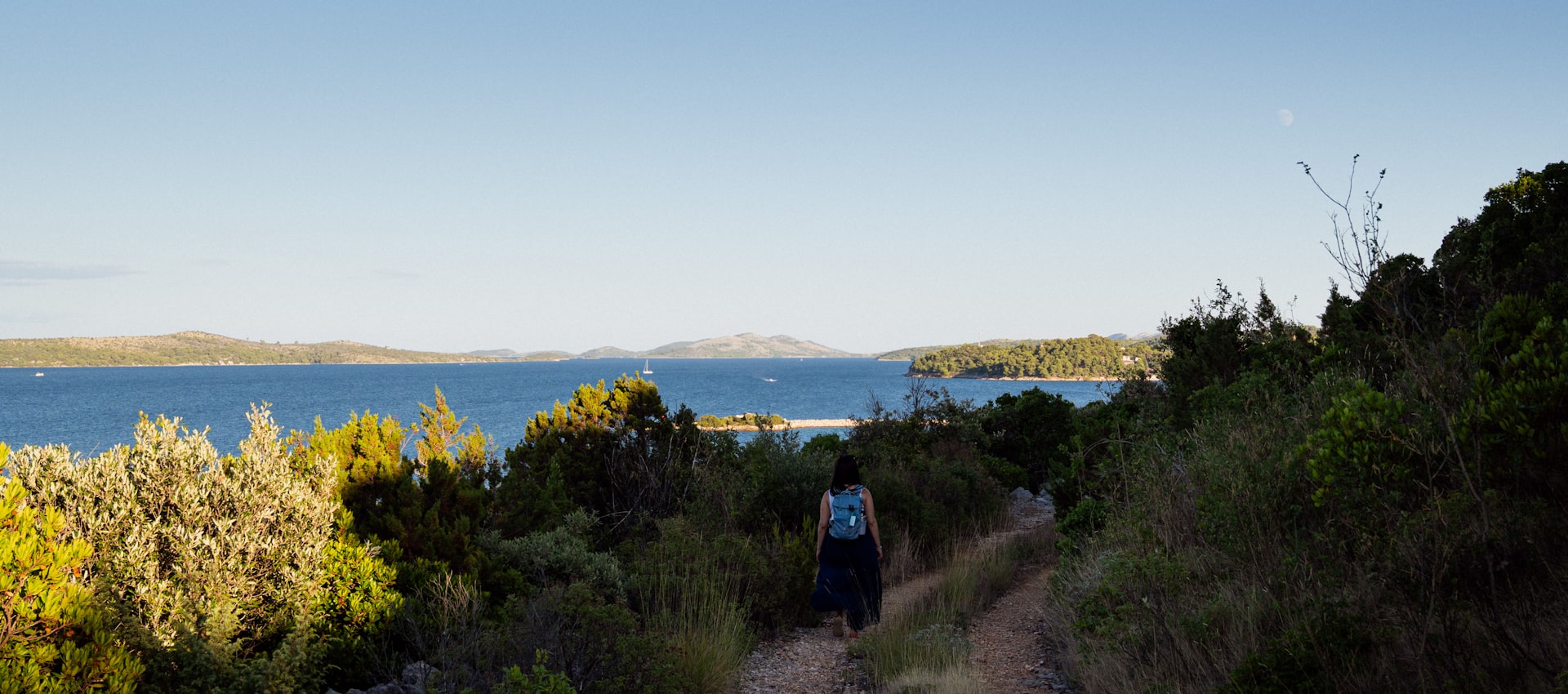
Unforgettable Journeys That Nurture Our Ocean Ecosystems

Photo by David Courbit on Unsplash
Travel has the power to transform not just the traveler, but the places they visit-especially when it centers on the protection of our planet’s most vital ecosystems. For those who seek to merge their love of exploration with a commitment to the environment, journeys focused on ocean care offer a unique way to engage with the natural world while contributing to its survival.
Learning from Local Ocean Stewards
One of the most enriching aspects of these journeys is the opportunity to learn from the people who have lived in harmony with the ocean for generations. In coastal communities across the globe, indigenous and local groups hold centuries of knowledge about marine ecosystems, from the migration patterns of sea turtles to the best ways to restore damaged coral reefs. For example, in the Philippines, travelers can join workshops led by the Badjao people, who share their traditional methods of sustainable fishing and coral gardening. These sessions aren’t just educational-they’re a chance to build cross-cultural connections and gain a deeper understanding of how human activity and nature can coexist.
Local stewards often emphasize the importance of small, consistent actions. In the Caribbean, communities in Belize have developed community-led marine protected areas (MPAs) that restrict overfishing and habitat destruction. Travelers who visit these areas can participate in guided tours that explain how MPAs work, and how their support-whether through volunteering or choosing local, sustainable businesses-helps maintain these critical spaces. These interactions challenge the idea that conservation is a distant, abstract concept, and instead frame it as a collective effort that anyone can contribute to.
Hands-On Habitat Restoration
For many travelers, getting their hands dirty is the most rewarding part of the experience. Coral restoration projects are a common focus, as coral reefs are among the most threatened ecosystems on Earth. In places like the Great Barrier Reef in Australia or the Mesoamerican Barrier Reef in Mexico, travelers can join teams of scientists and volunteers to plant coral fragments in damaged areas. The process involves attaching small pieces of coral to underwater structures, where they can grow and eventually form new reefs. While the work is physically demanding-requiring snorkeling or scuba diving skills-it’s also deeply fulfilling, as participants can see the direct impact of their efforts over time.
Other restoration projects focus on seagrass beds, which are essential habitats for fish, sea turtles, and other marine life. In the Mediterranean, organizations like the Mediterranean Seagrass Initiative offer programs where travelers can help plant seagrass shoots in areas that have been damaged by pollution or coastal development. Seagrass beds also play a key role in carbon sequestration, making their restoration a critical part of fighting climate change. By participating in these projects, travelers gain a firsthand understanding of how even small contributions can make a big difference in the health of the ocean.
Responsible Wildlife Encounters
Wildlife encounters are a highlight of many ocean-focused trips, but it’s important to ensure they’re done in a way that doesn’t harm the animals. Responsible tour operators prioritize the well-being of the wildlife over tourist satisfaction, following strict guidelines to minimize disturbance. For example, when swimming with whale sharks in Mexico’s Baja California Sur, operators keep a safe distance from the animals and avoid touching or feeding them. Travelers are also educated about the importance of not disrupting the sharks’ natural behavior, such as their feeding patterns.
Sea turtle conservation is another popular focus. In Costa Rica, travelers can volunteer with organizations that protect sea turtle nests from poachers and predators. Volunteers help monitor nests, collect data on hatchling success rates, and release baby turtles into the ocean. These experiences not only help protect endangered species but also teach travelers about the threats facing sea turtles, such as plastic pollution and habitat loss. By witnessing the fragile process of a sea turtle’s life cycle, travelers develop a deeper appreciation for the need to protect these animals and their habitats.
Sustainable Accommodations and Practices
Conscious travel isn’t just about the activities-it’s also about the choices travelers make when it comes to where they stay and how they behave. Many eco-friendly resorts in coastal areas have implemented sustainable practices, such as using solar power, reducing plastic waste, and sourcing food from local, organic farms. For example, in the Maldives, some resorts have “zero-waste” policies that eliminate single-use plastics and recycle or compost all waste. Travelers who choose these accommodations can learn about the steps the resort is taking to reduce its environmental impact, and even adopt some of these practices in their own lives.
Another important aspect of sustainable travel is reducing one’s carbon footprint. Travelers can choose to take direct flights, use public transportation or bike rentals when exploring coastal towns, and avoid activities that use large amounts of fuel, such as speedboat tours. By making these small changes, travelers can minimize their impact on the ocean and the planet, while still enjoying a memorable journey.
Bringing the Message Home
The true value of these journeys lies in the way they inspire travelers to continue their conservation efforts long after they return home. Many participants join local ocean conservation groups, start their own plastic-reduction initiatives, or educate their friends and family about the importance of protecting the ocean. For example, a traveler who volunteers with a coral restoration project in Indonesia might organize a beach cleanup in their hometown, or start a campaign to ban single-use plastics in their community.

Photo by Francesco Ungaro on Unsplash
These experiences also help to break down the myth that conservation is only for experts or scientists. Anyone can make a difference, whether it’s through volunteering, supporting sustainable businesses, or simply making more conscious choices in their daily life. By merging travel with conservation, we can create a world where exploration and protection go hand in hand, ensuring that future generations can enjoy the same wonders of the ocean that we do today.