Ultimate Guide to Multigenerational Family Travel Planning: Create Unforgettable Memories for All Ages

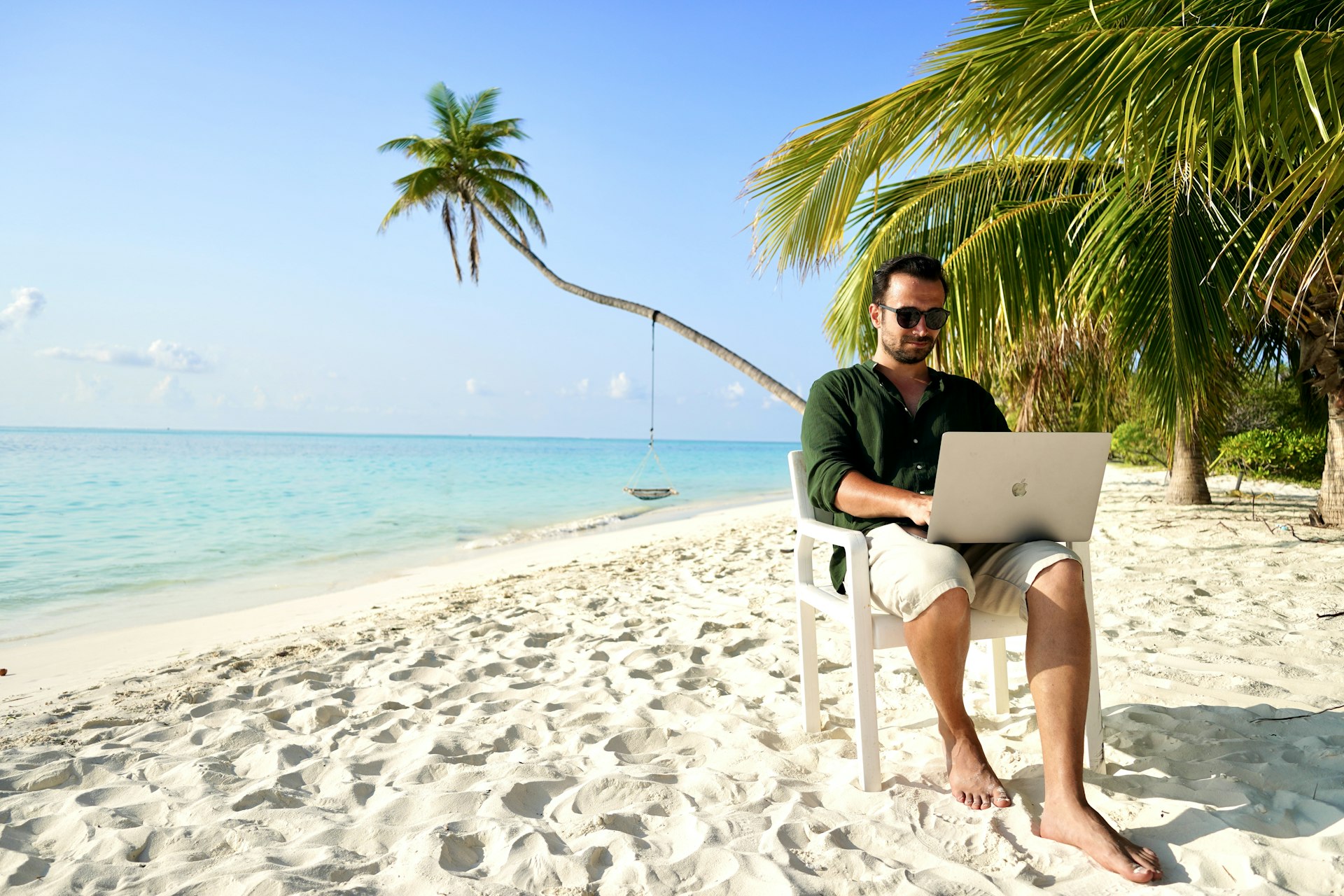
Photo by Hoi An and Da Nang Photographer on Unsplash
Introduction to Multigenerational Family Travel Planning
Multigenerational family travel brings together grandparents, parents, children, and sometimes great-grandparents for shared experiences that strengthen family bonds. These trips create lasting memories but require careful planning to accommodate diverse ages, energy levels, interests, and budgets. According to travel experts, successful multigenerational vacations focus on flexibility, communication, and inclusivity, ensuring everyone from toddlers to seniors enjoys the journey. [1] [2] This guide draws from proven tips to help you plan a trip that works for all generations, covering destination selection, itinerary building, accommodations, and more.
Start Planning Early for the Best Experience
Early planning is the foundation of any successful multigenerational trip. Begin at least six to twelve months in advance to align schedules, especially around school vacations and work commitments. This timeline allows you to gather input from all family members, secure the best rates on flights and accommodations, and book popular attractions that fill up quickly. For instance, coordinating calendars openly as a family helps identify overlapping free times, preventing last-minute conflicts. [7]
Step-by-step process: First, hold a family meeting or create a shared online document to list preferred dates and destinations. Next, research availability for key elements like flights and lodging. Potential challenges include conflicting schedules; solve this by prioritizing a core group and offering flexibility for others to join partially. Real-world example: Families planning trips to Door County, Wisconsin, book early to access family-friendly activities blending outdoor adventures and cultural experiences suitable for all ages. [1] Alternatives include using tools like Google Forms for quick surveys on dates and interests, ensuring collective buy-in without endless discussions.
Choosing the Right Destination for Every Generation
Select destinations that offer a mix of high-energy activities for kids and adults, alongside low-key options for seniors. Ideal spots balance accessibility, walkability, and weather considerations to avoid exhausting anyone. Experts recommend places like the Florida Keys or Orlando, where theme parks pair with nature preserves, allowing customization based on pace. [4] Consider ease of travel, such as direct flights, to minimize stress.
Detailed criteria: Evaluate mobility needs with features like Google Maps’ accessibility search for wheelchair-friendly sites. Check weather realities, as heat can challenge older travelers and young children. Case study: Rome works well for sightseeing with one iconic site per day, like the Colosseum, followed by relaxed neighborhood lunches. [2] Challenges like budget disparities can be addressed by choosing versatile spots affordable on shoestring or splurge budgets. Alternatives: Opt for all-in-one resorts, cruises, or villas where activities happen naturally, reducing planning effort.
Setting Realistic Expectations and Prioritizing Communication
Open communication prevents misunderstandings. Discuss expectations, budgets, and preferences early via group chats or shared documents. Create a simple survey with questions on must-dos, hard nos, ideal pace, food preferences, and wildcards to ensure everyone feels heard. [2] Set realistic expectations by acknowledging varying energy levels-not everyone will join every activity.
Implementation steps: Hold a 30-minute decision meeting after surveys, with one person finalizing details to avoid group chat fatigue. Address challenges like differing interests by planning group anchors with optional add-ons. Example: In multigenerational trips, kids who contribute ideas become enthusiastic participants, boosting overall enjoyment. Alternatives include assigning roles, like one person handling bookings, to streamline decisions and reduce stress.
Selecting Accommodations That Cater to All Needs
Accommodations should provide communal spaces for bonding and private areas for rest. Vacation homes or villas with multiple bedrooms, kitchens, and accessible features outperform hotels for larger groups. This setup enables shared meals while allowing naps or quiet time. [1] [4]

Photo by Mehdi Benkaci on Unsplash
Practical guidance: Prioritize places with elevators, kitchens for dietary needs, and proximity to attractions. For mobility issues, confirm wheelchair access. Challenges: Fitting everyone comfortably; solutions include multiple bedrooms and enough bathrooms. Real example: Villas in resort areas allow natural downtime, like pool days for kids while adults relax. Alternatives: Resorts with family suites or guided tours offering built-in lodging options simplify logistics.
Building a Flexible Itinerary with Rhythm and Downtime
Avoid packed schedules; instead, create a daily rhythm with one shared anchor activity, a long meal, and open blocks for personal choice. Plan one major activity per day, incorporating natural breaks for recharging. [3] [2] This prevents fatigue, especially for young children needing naps or seniors preferring relaxation.
Sample 7-day template: Day 1 arrival and easy dinner; Day 2 half-day tour plus free time; Day 3 relaxation; Day 4 big experience; Day 5 choose-your-own; Day 6 light touring; Day 7 departure buffer. Enhance with private tours for customizable pacing, including bathroom breaks and adjustments. [2] Challenges like meltdowns from overtired kids are mitigated by maintaining routines like morning coffee chats. Alternatives: Mix group adventures with individual pursuits, ensuring no one feels forced.
Handling Logistics: Budgets, Transportation, Packing, and Food
Discuss budgets upfront-who pays what for lodging, meals, activities-to avoid tension. Rent multiple vehicles for flexibility rather than one large van. [4] Pack thoughtfully with shared lists covering medications, baby supplies, and weather-appropriate clothes. Choose diverse food options accommodating diets. [1]
Steps for success: Agree on splits early, assign roles like transportation coordinator. Example: In multi-family trips, clear roles prevent oversights. Challenges: Dietary restrictions; solutions include researching menus ahead. Alternatives: Self-catering via villa kitchens reduces costs and accommodates needs.
Activities, Accessibility, and Booking Professional Help
Plan group activities like hands-on workshops for bonding, plus age-specific options. Be mindful of mobility with accessible attractions. [1] [5] For effortless planning, consider travel advisors who handle itineraries, private guides, and family mediation.
Final tips: Build in downtime to avoid trauma, focusing on sweet memories. Many families find advisors invaluable for tailoring trips that don’t exhaust anyone. [2]
References
- Doco Vacations (n.d.). 10 Tips For A Family Adventure. Provides practical tips on planning, accommodations, and activities.
- Trip Whisperer (n.d.). Multi-Generational Travel: 5 Tips. Offers itinerary templates and communication strategies.
- More Than Grand (n.d.). The Complete Guide to Multi-Generation Vacation Planning. Emphasizes one activity per day and breaks.
- AARP (n.d.). Tips to Create a Harmonious Multigenerational Trip. Covers destinations and budget planning.
- AFAR (n.d.). 9 Tips for Planning a Great Multigenerational Trip. Stresses downtime and optional participation.
- Go Collette (n.d.). How to Find the Right Multigenerational Tour. Advises early calendar coordination.