Streamline Your Journeys: Practical Tips for Lightweight, Intentional Travel Packing

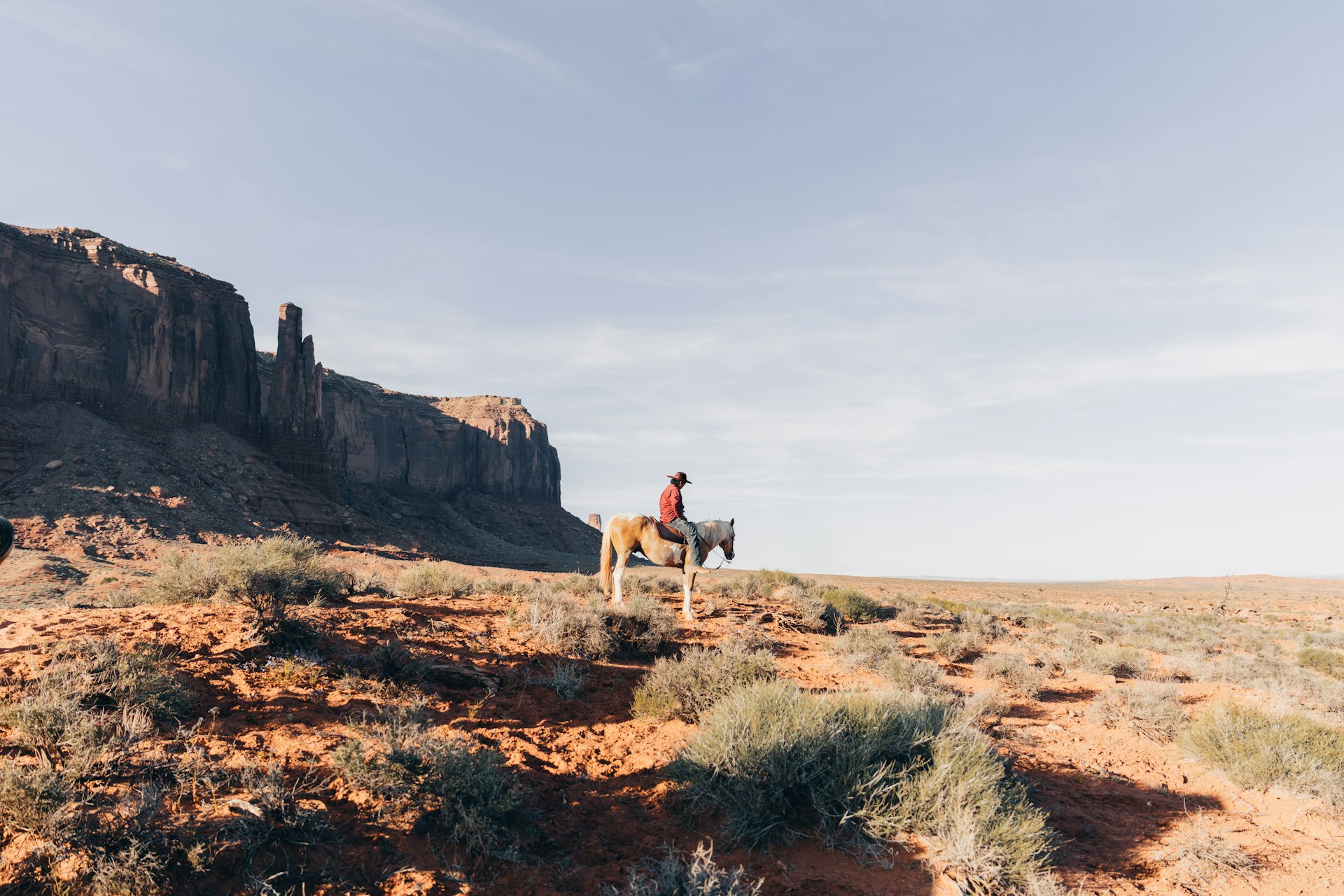
Photo by Erol Ahmed on Unsplash
Traveling light isn’t just about fitting everything into a carry-on-it’s about redefining what you truly need to feel comfortable and prepared on the road. For many, the idea of minimalist packing feels daunting, as they worry about leaving behind items that might come in handy. But with a few simple strategies, you can transition to a more intentional way of packing that reduces stress and enhances your travel experience.
Start with a Mindset Shift
Before you even open your suitcase, take a moment to reflect on your trip’s purpose and daily activities. Are you heading to a city with unpredictable weather, or a beach destination with consistent warmth? Will you need formal attire for a business meeting, or is casual wear sufficient for most days? Answering these questions helps you prioritize items that align with your actual needs, rather than packing for hypothetical scenarios.
One useful exercise is to lay out all the items you think you need, then remove half of them. This forces you to evaluate each item’s utility: have you used it on past trips? Can it serve multiple purposes? For example, a lightweight scarf can double as a shawl for cool evenings, a beach cover-up, or even a makeshift pillow on long flights. By focusing on multi-functional items, you can significantly cut down on the number of things you pack.
Choose the Right Bag
The foundation of minimalist packing is selecting a bag that fits your needs without excess space. A carry-on-sized suitcase or a durable backpack is ideal for most trips under two weeks, as it limits the amount you can pack and avoids checked bag fees. Look for bags with multiple compartments to keep items organized-this makes it easier to find what you need without unpacking everything.
For longer trips, consider a bag with expandable zippers, but resist the urge to fill the expanded space. Instead, use the extra room for souvenirs or items you pick up along the way. If you prefer a backpack, opt for one with padded straps and a waist belt to distribute weight evenly, reducing strain on your shoulders and back during long walks or transit.
Versatile Clothing Choices
Building a capsule wardrobe for your trip is key to minimalist packing. Stick to a neutral color palette-blacks, whites, grays, and beiges-so that every piece can be mixed and matched to create multiple outfits. For example, a pair of dark jeans can be dressed up with a button-down shirt for a nice dinner or dressed down with a t-shirt for a day of sightseeing.

Photo by Surface on Unsplash
Layered clothing is another essential strategy, especially for destinations with fluctuating temperatures. Pack lightweight, moisture-wicking base layers that can be worn alone or under a sweater or jacket. Avoid bulky items like thick coats; instead, bring a compact, waterproof jacket that can handle rain and wind. For footwear, limit yourself to two pairs: a comfortable pair of walking shoes for daily activities and a dressier pair for evenings or special occasions. Make sure both pairs are broken in to avoid blisters on the road.
Essential Toiletries & Tech
Toiletries can quickly take up space if you pack full-sized bottles. Instead, invest in travel-sized containers or purchase reusable silicone bottles that you can fill with your favorite products. Many hotels and hostels provide basic toiletries like shampoo and soap, so you can skip packing those unless you have specific preferences.
For tech items, prioritize the essentials: a smartphone, charger, and maybe a portable power bank. If you need a laptop for work, choose a lightweight model that fits easily in your bag. Avoid packing unnecessary gadgets like tablets or e-readers if you can use your smartphone for those purposes. Remember to pack a universal adapter if you’re traveling internationally, and keep all tech cords organized in a small pouch to prevent tangling.
Packing Techniques for Efficiency
Rolling your clothes instead of folding them saves space and reduces wrinkles. This method is especially effective for soft items like t-shirts, pants, and dresses. For bulkier items like sweaters, fold them neatly and place them at the bottom of your bag to distribute weight evenly. Use packing cubes to group similar items together-for example, one cube for tops, one for bottoms, and one for underwear and socks. This not only keeps your bag organized but also makes it easy to access items without disturbing the rest of your packing.
Another trick is to use the inside of your shoes to store small items like socks, underwear, or jewelry. This maximizes every inch of space in your bag and helps keep delicate items protected. If you’re packing a hat, stuff it with socks or underwear to maintain its shape during transit.
Final Checks & Adaptations
Before you close your bag, do a final inventory to ensure you haven’t forgotten any essentials. Make a list of must-have items (like your passport, wallet, and medications) and check them off as you pack them. If you’re unsure about an item, ask yourself: “Will I regret not having this?” If the answer is no, leave it behind.
Remember that minimalist packing is a learning process. You might find that you need to adjust your strategy based on your travel style and destination. For example, if you’re traveling to a remote area with limited access to laundry facilities, you might need to pack a few extra clothing items. But over time, you’ll develop a packing routine that works for you, allowing you to travel with ease and focus on enjoying your journey.