The Rise of Quick, Intentional Escapes: Reimagining Leisure Time in a Hectic World

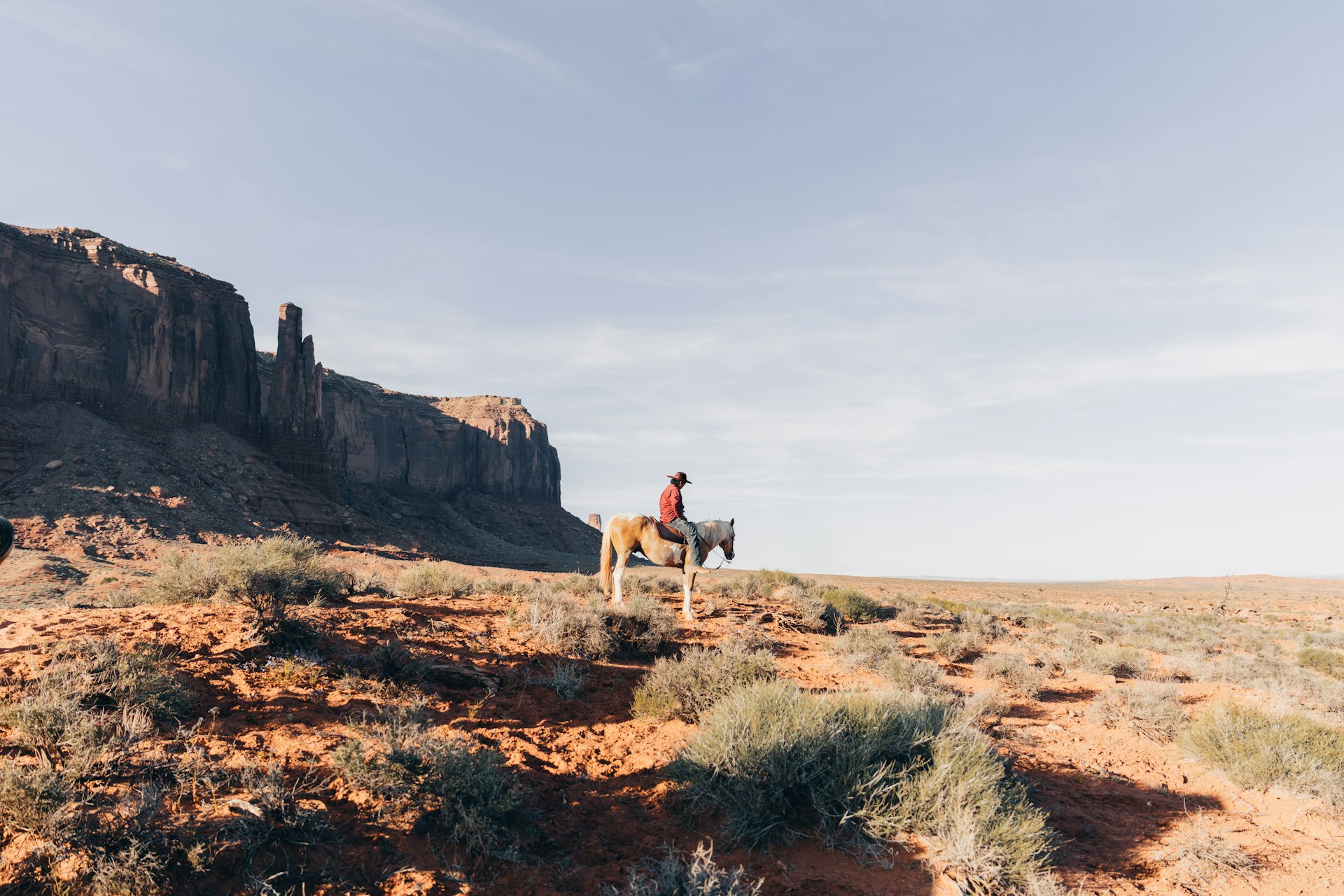
Photo by Georgi Kalaydzhiev on Unsplash
Over the past few years, there’s been a quiet revolution in how people approach travel and leisure. Gone are the days when a vacation meant weeks of planning, long flights, and extended time away from home and work. Instead, a growing number of individuals are embracing shorter, more focused escapes that fit into the gaps of their busy lives-whether that’s a Friday afternoon to Sunday morning trip to a nearby town, a day-long exploration of a hidden gem in their own city, or a midweek overnight stay at a boutique hotel just a few hours from home.
This shift isn’t random; it’s rooted in several key societal changes. The rise of remote and hybrid work has given many people more flexibility to step away for a short break without sacrificing productivity. With the ability to log in for a few hours in the morning or evening if needed, workers no longer need to take full weeks off to travel. Additionally, the post-pandemic world has left many with a renewed appreciation for small, meaningful experiences. After months of lockdowns and limited movement, people are eager to explore new places but often hesitant to commit to long, complicated trips that might be disrupted by unforeseen circumstances.
Another driving factor is the desire for minimal planning. Long vacations require coordinating time off, booking flights and accommodations months in advance, and organizing itineraries that cover every moment. Microcations, by contrast, can be planned in days or even hours. A person might decide on a Thursday evening to drive to a nearby winery for the weekend, book a room online, and be on the road by Friday afternoon. This spontaneity adds an element of excitement and reduces the stress associated with traditional travel planning.
Popular microcation ideas vary widely depending on personal interests and location. For urban dwellers, a common choice is a “staycation” with a twist-booking a room in a local hotel and spending the weekend exploring neighborhoods they’ve never visited, trying new restaurants, or attending a cultural event they’ve been meaning to see. Others opt for nature-focused escapes: a day hike in a nearby national park, a weekend camping trip by a lake, or a visit to a botanical garden. For those who prefer relaxation, a spa day or a quiet retreat at a bed and breakfast in a small town can provide the perfect reset.
Destinations and businesses are adapting to this trend in meaningful ways. Many small towns and local attractions are now marketing themselves as ideal microcation spots, highlighting short drive times, easy access, and curated experiences that can be enjoyed in a day or two. Hotels are offering “micro-packages” that include overnight stays, breakfast, and a local activity-such as a wine tasting or a guided tour-at a discounted rate. Restaurants and cafes are creating special menus for weekend visitors, and local tour companies are offering half-day or full-day excursions that cater to travelers with limited time.
The benefits of microcations extend beyond just fun and relaxation. Studies have shown that taking regular short breaks can improve mental health, reduce stress, and increase productivity. A 2022 study by the American Psychological Association found that employees who took short, frequent vacations reported lower levels of burnout and higher job satisfaction compared to those who only took long vacations once a year. Additionally, microcations allow people to build connections with their local communities by supporting small businesses and exploring nearby destinations they might have otherwise overlooked.
One of the most appealing aspects of microcations is their accessibility. Unlike long international trips, which can be expensive and time-consuming, microcations are often affordable and within reach for most people. A weekend stay at a local hotel might cost a few hundred dollars, and a day trip could be even cheaper-just the cost of gas and a meal. This accessibility means that more people can enjoy the benefits of travel without breaking the bank or taking time away from their responsibilities.
As this trend continues to grow, it’s likely that we’ll see even more innovations in how people take short breaks. Some companies are already offering “micro-vacation days” where employees can take a half-day or full day off for a quick escape without using their regular vacation time. Destinations are also exploring new ways to cater to microcationers, such as offering flexible check-in and check-out times, or creating pop-up experiences that are only available for a weekend at a time.
Ultimately, the rise of microcations is a reflection of a larger shift in how people value their time. In a world that often prioritizes productivity over rest, these short escapes are a reminder that taking time to recharge and explore is essential for overall well-being. Whether it’s a quick trip to a nearby town or a day-long adventure in your own city, microcations offer a way to experience new things, refresh your mindset, and make the most of the time you have.

Photo by Ahmet Yüksek ✪ on Unsplash