Crafting Memorable Narratives from Your Journeys: A Guide to Authentic Travel Content

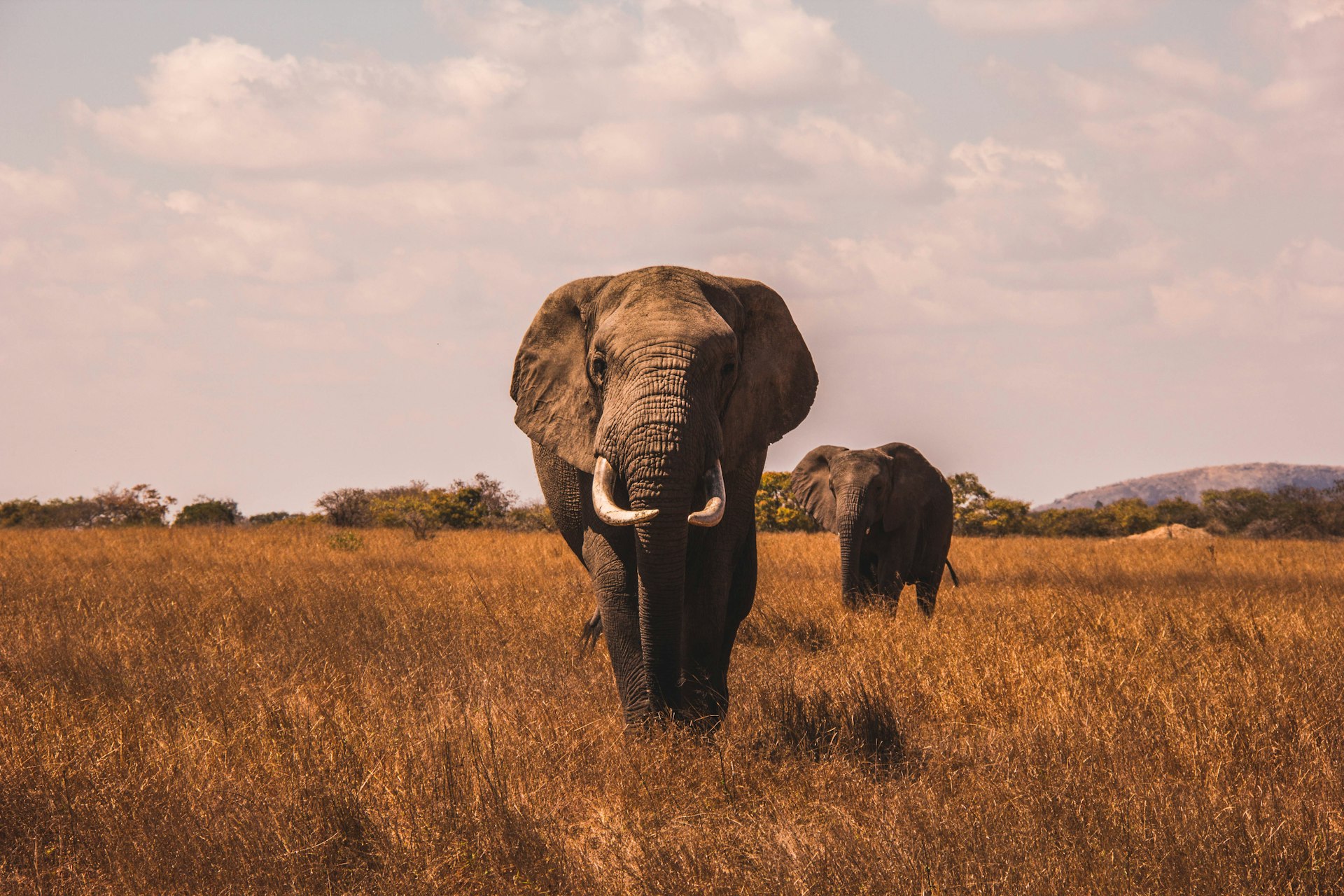
Photo by Element5 Digital on Unsplash
The Power of Specificity in Travel Narratives
When many people sit down to write about their travels, they often start with broad statements: “I had an amazing time in Italy” or “Japan is such a beautiful country.” While these sentiments are true, they fail to capture the essence of the journey that made it special. The difference between a forgettable travel account and a story that sticks with readers lies in the specific, unscripted details that make a trip unique.
Take a trip to Kyoto, for instance. Instead of writing, “I visited several temples and gardens,” try framing the experience through a small, intimate moment: “I wandered off the main path near Kinkaku-ji and stumbled into a hidden moss garden, where the only sounds were the distant chirp of a sparrow and the soft rustle of wind through maple leaves. A gardener, kneeling to trim a patch of ferns, paused to point out a tiny cluster of wild mushrooms growing at the base of an ancient cedar, explaining that they only appear after the first autumn rain. The moss under my shoes was soft and springy, like walking on a cushion of green velvet, and the air smelled damp and earthy, mixed with the faint scent of sandalwood from a nearby shrine.” This kind of detail doesn’t just tell readers where you went-it lets them feel like they’re there with you.
Specificity also helps readers connect with your story on a personal level. A generic line about eating pasta in Rome pales in comparison to describing the way the sun hit the red-checkered tablecloth at a family-run trattoria, the crunch of freshly grated parmesan on a plate of cacio e pepe, and the sound of the owner’s granddaughter laughing as she chased a cat through the alley outside. These small moments are the ones that stay with you long after the trip ends, and sharing them with others turns your travel story into something that resonates beyond a list of destinations.
Centering People Over Places
While iconic landmarks and stunning landscapes are often the draw of a trip, the most memorable travel stories often revolve around the people you meet along the way. Interactions with locals, fellow travelers, and even strangers can add depth and heart to your narrative, turning a simple account of a journey into a story about human connection.
Consider a trip to a small coastal town in Portugal. Instead of focusing solely on the cliffside views and fresh seafood, you might write about a conversation you had with an elderly fisherman named Carlos, who sat with you on the dock at sunset and shared stories about his grandfather’s fishing techniques. He showed you a tattered notebook filled with hand-drawn maps of hidden fishing spots, and explained how the ocean had been his family’s livelihood for three generations. He also told you about the time he rescued a group of tourists who got caught in a sudden storm while kayaking, and how they later sent him a photo of their newborn baby named after him. This interaction doesn’t just add color to your story-it gives readers a window into the culture and history of the place you visited, and reminds them that travel is as much about the people as it is about the sights.
Fellow travelers can also be a rich source of storytelling material. A chance meeting with a group of backpackers in a Nepali teahouse might lead to an impromptu hike to a hidden waterfall, or a late-night conversation about their favorite travel memories. These shared experiences can create bonds that last long after the trip ends, and including them in your writing can make your story feel more relatable and inclusive.
Structuring Your Narrative for Flow
A well-structured travel story should draw readers in from the first sentence and keep them engaged until the end. One effective way to do this is to start with a hook-a vivid moment that captures the reader’s attention and makes them want to know more. For example, you might start with: “I woke up at 5 a.m. to the sound of waves crashing against the shore, my small Bali bungalow shaking slightly with each swell. The air was thick with the scent of frangipani, and I could hear the distant clink of glasses from a beach bar that had stayed open late the night before.” This hook immediately sets the scene and creates a sense of curiosity: why was the writer there? What would happen next?
After the hook, you can provide context for your trip: why you decided to go to that destination, what you were hoping to achieve, and any expectations you had. This helps readers understand the purpose of your journey and gives them a frame of reference for the rest of the story. For example, you might explain that you went to Bali to take a break from a stressful job and to learn more about traditional Balinese cooking.
Next, you can build the story with a series of moments or events that lead to a turning point or a small revelation. This could be a moment when you realized that the best part of your trip wasn’t the planned activities, but the unplanned ones-like getting lost in a maze of alleyways in Marrakech and stumbling upon a hidden market where vendors sold hand-woven carpets and spiced tea. Or it could be a conversation with a local that changed your perspective on life, like a woman in a Kenyan village who told you about her work empowering women through sustainable farming.
Finally, you can end your story with a reflection: how the trip changed you, what you learned, and how it has impacted your life since then. This gives your story a sense of closure and leaves readers with something to think about. For example, you might write: “My trip to Bali taught me that slow travel isn’t just about taking your time-it’s about being present in the moment and embracing the unexpected. When I returned home, I started taking more time to enjoy the small things in life, like drinking a cup of tea in the morning or taking a walk in the park after work. I also started volunteering at a local community garden, inspired by the sustainable farming practices I learned about in Bali.”
Capturing Sensory Details to Immerse Readers
To make your travel story feel immersive, it’s important to include sensory details that engage all five senses: sight, sound, touch, taste, and smell. These details help readers experience the journey through your eyes (and ears, and hands, and tongue, and nose) and make your story feel more vivid and real.
Sight is often the first sense we think of when writing about travel, but it’s important to go beyond just describing what you saw. Instead of saying “the sunset was beautiful,” you might write: “The sunset over the Sahara Desert painted the sky in shades of orange, pink, and purple, the sand dunes turning from gold to red as the sun dipped below the horizon. A group of Berber nomads sat around a campfire, their shadows stretching long across the sand, and I could see the faint glow of stars starting to appear in the sky above.”
Sound can also add depth to your story. The call to prayer echoing over Istanbul’s skyline at dusk, the sound of children laughing in a Mexican village square, the rustle of leaves in a Thai jungle-these sounds can transport readers to the place you visited and make your story feel more alive.
Touch is a often overlooked sense in travel writing, but it can be incredibly powerful. The rough texture of adobe walls in a Mexican village, the cool feel of a mountain stream in the Swiss Alps, the softness of a woolen blanket in a Scottish cottage-these details can help readers feel like they’re touching the things you touched during your trip.
Taste is another important sense to include in your writing. The tang of fresh lime in a street-side ceviche in Lima, the sweetness of a mango sticky rice in Bangkok, the bitterness of a strong espresso in a Italian café-these flavors can evoke memories of your trip and make your story feel more authentic.

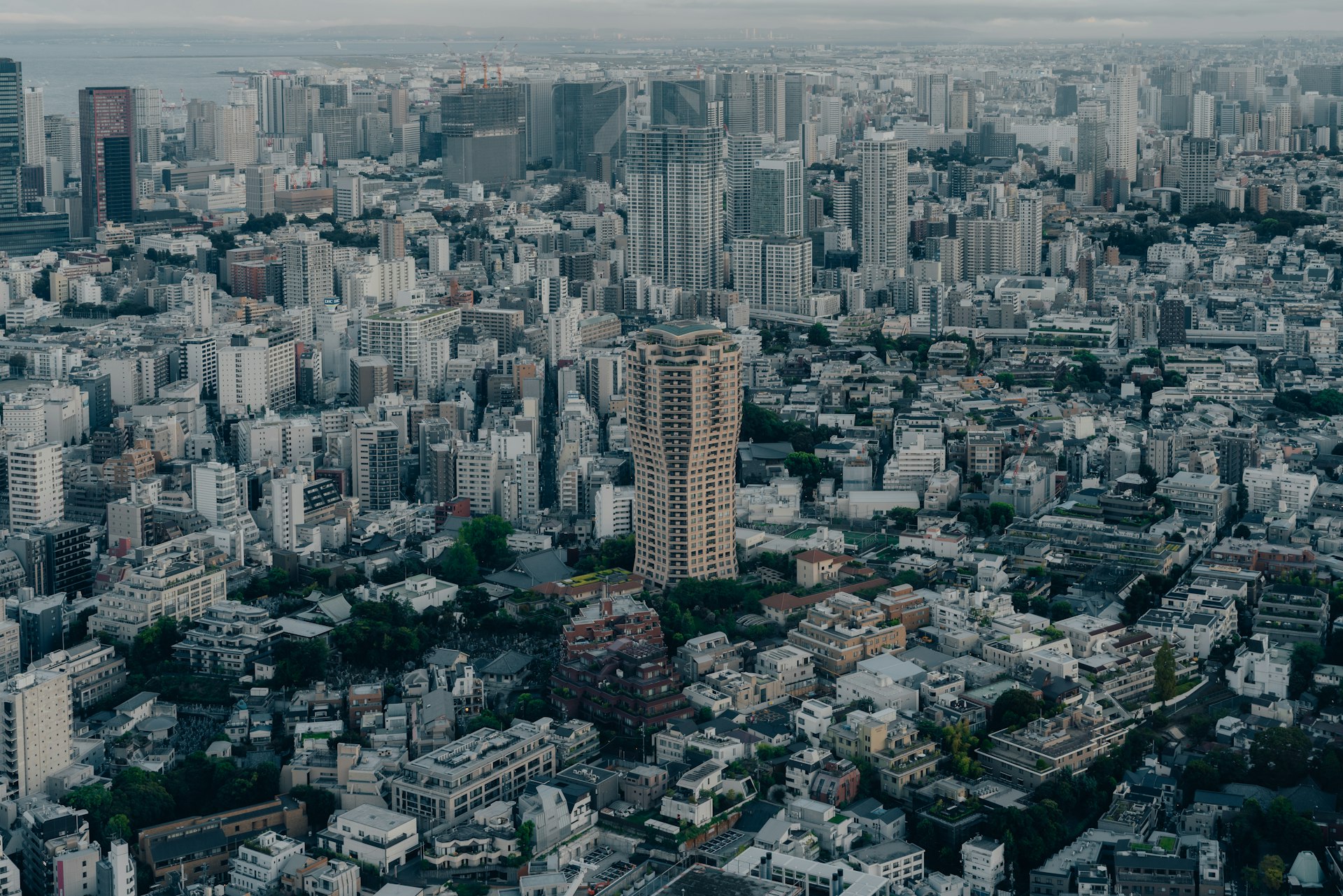
Photo by Dariusz Sankowski on Unsplash
Smell is one of the most powerful senses when it comes to memory, and including it in your writing can help readers connect with your story on a deeper level. The mix of jasmine and exhaust fumes in a Mumbai street, the smell of pine in a Canadian forest, the scent of freshly baked bread in a French bakery-these smells can transport readers back to the place you visited and make your story feel more real.
Honesty in Storytelling
One of the biggest mistakes travel writers make is painting a perfect picture of their trip, leaving out the messy, unpolished parts. But the truth is, the most relatable travel stories are the ones that include the mistakes, the mishaps, and the moments of frustration. Missing a train, getting caught in a sudden rainstorm, struggling with language barriers-these moments are part of the travel experience, and including them in your writing makes your story feel more authentic and human.
For example, instead of writing “I had a perfect day hiking in the Swiss Alps,” you might write: “I woke up early to hike the Matterhorn, but I got lost on the trail and ended up walking for an extra two hours in the rain. My shoes were soaked through, and I was starting to panic when I met a local hiker who showed me the way to the nearest mountain hut. She gave me a cup of hot chocolate and a warm blanket, and we sat by the fire and talked about her favorite hiking trails in the area. Even though my hike didn’t go as planned, it ended up being one of the most memorable moments of my trip.”
Honesty also means being vulnerable in your writing. It’s okay to admit that you were scared, lonely, or homesick during your trip. These emotions are part of the travel experience, and including them in your writing can help readers connect with you on a deeper level. For example, you might write: “I spent my first week in Tokyo feeling overwhelmed and lonely. I didn’t speak Japanese, and I struggled to navigate the crowded streets and subway system. But then I met a group of expats who invited me to a potluck dinner, and they helped me feel more at home. They showed me their favorite hidden spots in the city, and I soon realized that Tokyo was a much friendlier place than I had initially thought.”