Unlocking the Smart Traveler’s Advantage: The Benefits and How-To of Off-Peak Season Journeys

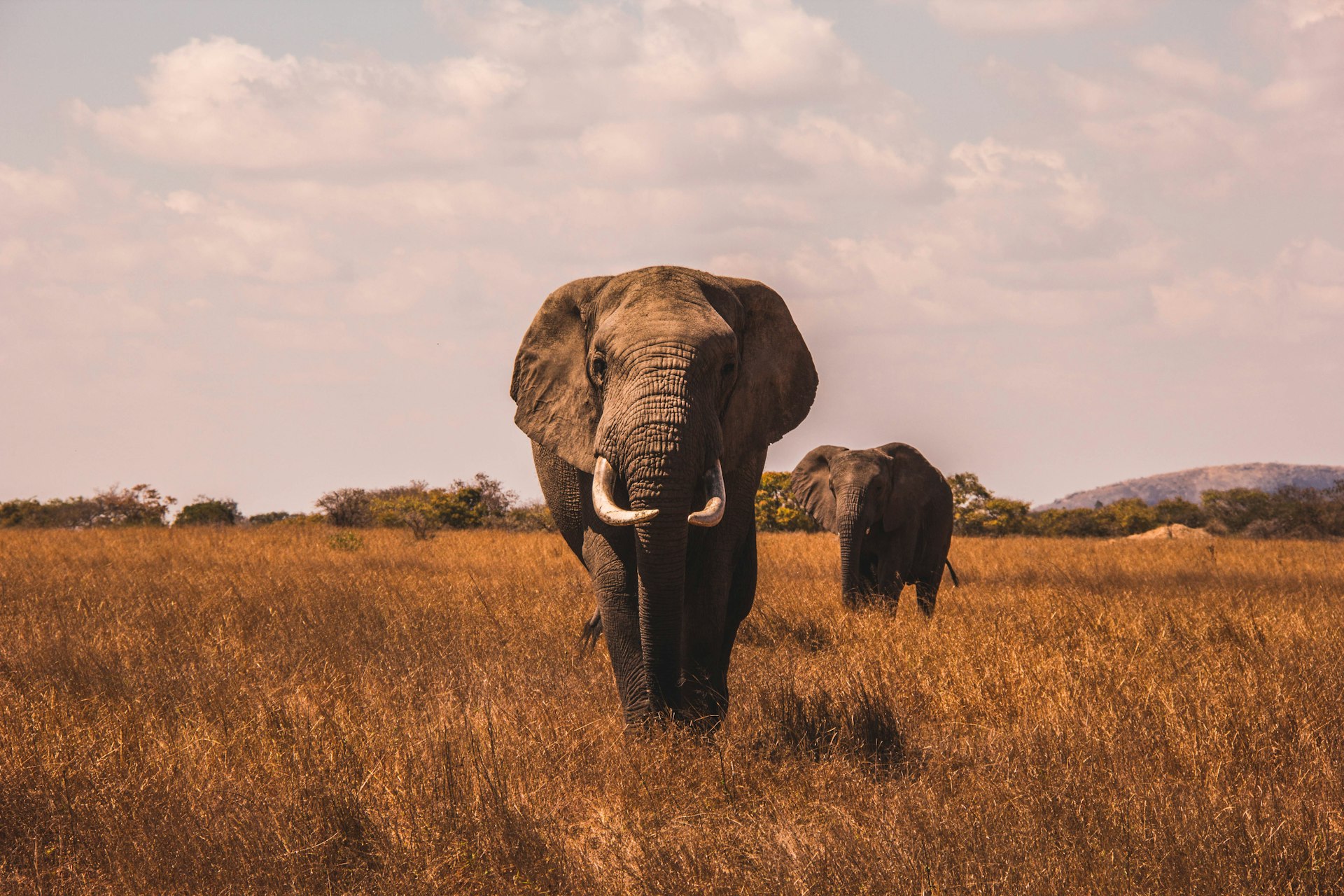
Photo by Jefferson Sees on Unsplash
Introduction: Why Off-Peak Travel is Gaining Momentum
In recent years, more travelers are choosing to explore destinations during off-peak or low seasons, drawn by the promise of lower costs, fewer crowds, and a more authentic connection with local culture. Off-peak travel refers to visiting popular locations outside their busiest months, typically avoiding school holidays, peak summer, or major festivals. The window for these trips generally falls between November and March for many destinations, though exact timing varies by region and climate [1] . This guide explores the concrete benefits of off-peak travel, offers actionable steps to plan your journey, and provides real-world examples with alternatives for every type of traveler.
Core Benefits of Traveling During Off-Peak Seasons
1. Significant Cost Savings
One of the most compelling reasons to travel during off-peak times is the potential for major savings on flights, accommodations, and tours. Airfare and hotel prices can drop by as much as 50% or more compared to peak season rates, making luxury hotels and central locations far more accessible [2] , [5] . Tour operators, eager to fill spots, frequently offer additional discounts or incentives. For example, a traveler visiting Europe in early March may find five-star accommodations available at rates typically reserved for budget hotels in July.
To access these savings, plan your trip well in advance and compare rates across multiple platforms. It’s helpful to use metasearch engines and set fare alerts for your preferred destinations. If you’re flexible with travel dates, experiment with different weeks or months to identify the lowest prices.
2. Fewer Crowds and Enhanced Experiences
Off-peak travel is synonymous with emptier airports, shorter attraction queues, and quieter streets. This not only saves time but also allows for a more relaxed and immersive experience. Iconic sites-from the Louvre to the Vatican-become far more enjoyable without the jostle of crowds. Travelers often report better photo opportunities and more meaningful interactions with locals, who may be less rushed and more willing to offer recommendations during quieter periods [1] , [3] .
For example, a spring visit to Rome’s Trevi Fountain or Parisian cafes might offer serene moments that are impossible to find in summer. Additionally, fewer tourists can mean a safer environment, as crowded areas are often targeted by pickpockets [5] .
3. Authentic and Sustainable Travel
Off-peak journeys often lead to more genuine cultural experiences. With fewer visitors, you’re more likely to interact with locals, participate in traditional events, and observe everyday life. This approach also aligns with sustainable travel principles by reducing the environmental strain that heavy tourism brings during peak months. Fewer travelers mean lower carbon footprints and less pressure on local resources [2] , [3] .
Moreover, visiting during the low season can help local economies that rely on tourism year-round. Your spending supports businesses and workers when they need it most, providing a more equitable distribution of tourism income [3] .
4. Better Service and Flexibility
Lower occupancy rates at hotels and restaurants often translate into more attentive service and the possibility of complimentary upgrades. Tour guides and staff have more time to tailor experiences to your interests, and it’s easier to secure reservations at popular establishments [5] . The flexibility of less-crowded attractions means you can be spontaneous in your daily plans, making last-minute changes without penalty.
Step-by-Step Guide: How to Plan Your Off-Peak Adventure
Step 1: Determine Off-Peak Seasons for Your Destination
Research the specific low or shoulder seasons for your chosen location, as these vary by country and climate. For example, Mediterranean countries are quieter from November to March, while Southeast Asia’s off-peak often coincides with the wet season. Use official tourism board websites or reputable travel companies to confirm these dates. If you’re unsure, search for “[Destination] off-peak travel season” or consult major travel blogs for up-to-date guidance.
Step 2: Search for Deals and Discounts
Monitor airfare and hotel platforms for seasonal promotions. Many airlines and accommodation providers announce special offers for off-peak travelers. Some tour companies design exclusive off-season itineraries that highlight unique local traditions or weather-specific activities [1] . Sign up for price alerts and newsletters from reputable travel agencies for early notification of deals.
Step 3: Consider Weather and Activity Availability
Off-peak travel may come with trade-offs, such as cooler temperatures or the closure of certain attractions. Check average weather conditions and confirm whether key experiences are open during your travel window. Some activities-such as hiking, skiing, or local festivals-may be best enjoyed in the shoulder rather than the full off-season. Build flexibility into your itinerary and have backup plans for indoor or alternative activities [3] .
Step 4: Book Early but Stay Flexible
While there’s less competition for spots, booking early helps guarantee availability for top experiences, especially in destinations where reduced hours or staffing could limit options. However, off-peak conditions also make it easier to adjust plans on the go, so consider refundable bookings or travel insurance for maximum flexibility.
Step 5: Pack Accordingly and Plan for Seasonal Changes
Prepare for variable weather by packing versatile clothing, layers, and appropriate gear. Some destinations may require rain gear or warmer attire. Research local customs and holidays to maximize your cultural experiences and avoid unexpected closures.
Real-World Examples and Case Studies
Consider a family who visited Greece in February. They reported saving nearly 60% on airfare and accommodation and spent time in Athens’ museums and cafes without crowds. Although beach activities were limited, the trade-off included exclusive access to historical sites and the chance to interact with locals preparing for the upcoming tourist season.
Alternatively, a solo traveler in Japan’s early spring experienced cherry blossoms with fewer tourists, found easy-to-book train tickets, and enjoyed more time at each destination on her route. By researching regional climates and leveraging off-season deals, she maximized both value and enjoyment.

Photo by Ng Sze En on Unsplash
Potential Challenges and Solutions
Off-peak travel is not without challenges. Some destinations may experience weather disruptions, reduced hours, or fewer events. To mitigate these issues:
- Check local event calendars and opening times for attractions.
- Book flexible or refundable tickets when possible.
- Choose destinations where off-peak conditions still allow for your preferred activities, such as city breaks with year-round museums or spa resorts.
- Embrace the chance to explore lesser-known neighborhoods, towns, or nature reserves that remain accessible year-round.
Alternative Approaches and Additional Opportunities
If you’re unable to travel during the full off-season, consider the “shoulder season”-the brief periods just before or after peak times-when prices remain lower and crowds are still manageable. For travelers seeking specific weather, research destinations where peak and off-peak definitions differ (for example, winter is high season for skiing destinations but low elsewhere).
To maximize the benefits, combine off-peak travel with other strategies such as using loyalty points, booking package deals, or leveraging group discounts. If you’re interested in sustainable travel, prioritize public transportation, eco-certified accommodations, and local businesses for additional positive impact [2] .
Key Takeaways: Making the Most of Off-Peak Travel
By traveling during off-peak seasons, you can unlock substantial savings, enjoy a more relaxed and genuine travel experience, and contribute to the sustainability of your chosen destination. Success depends on informed planning-researching the right times, confirming activity availability, and remaining flexible with your itinerary. Whether you seek luxury for less, adventure without the crowds, or a more personal connection to local culture, off-peak travel offers pathways for every type of explorer.
How to Get Started
To begin planning your off-peak journey, identify your preferred destination and research its low season using official tourism board websites or reputable travel blogs. Set up fare alerts and compare offers across major travel platforms. For additional guidance or seasonal recommendations, consult with established travel agencies or reach out to local tourism offices. If you have specific questions about weather, activity availability, or off-season events, consider contacting local visitor centers by phone or email-details typically found on their official websites.
References
[1] Go Ahead Tours (2025). Off-Peak Travel: Why It’s Trending in 2025.
[2] Crystal Travel (2024). Off-Season Travel | 5 Reasons Why You Should Consider It.
[3] Collette (2024). Six Benefits of Off-Season Travel.
[4] Go Ahead Tours (2023). 5 Reasons to Travel in the Off-Season.
[5] Low Season Traveller (2024). 10 Reasons Why: We Should Travel In The Low Season.