Top Destinations for Extended Remote Work Lifestyles

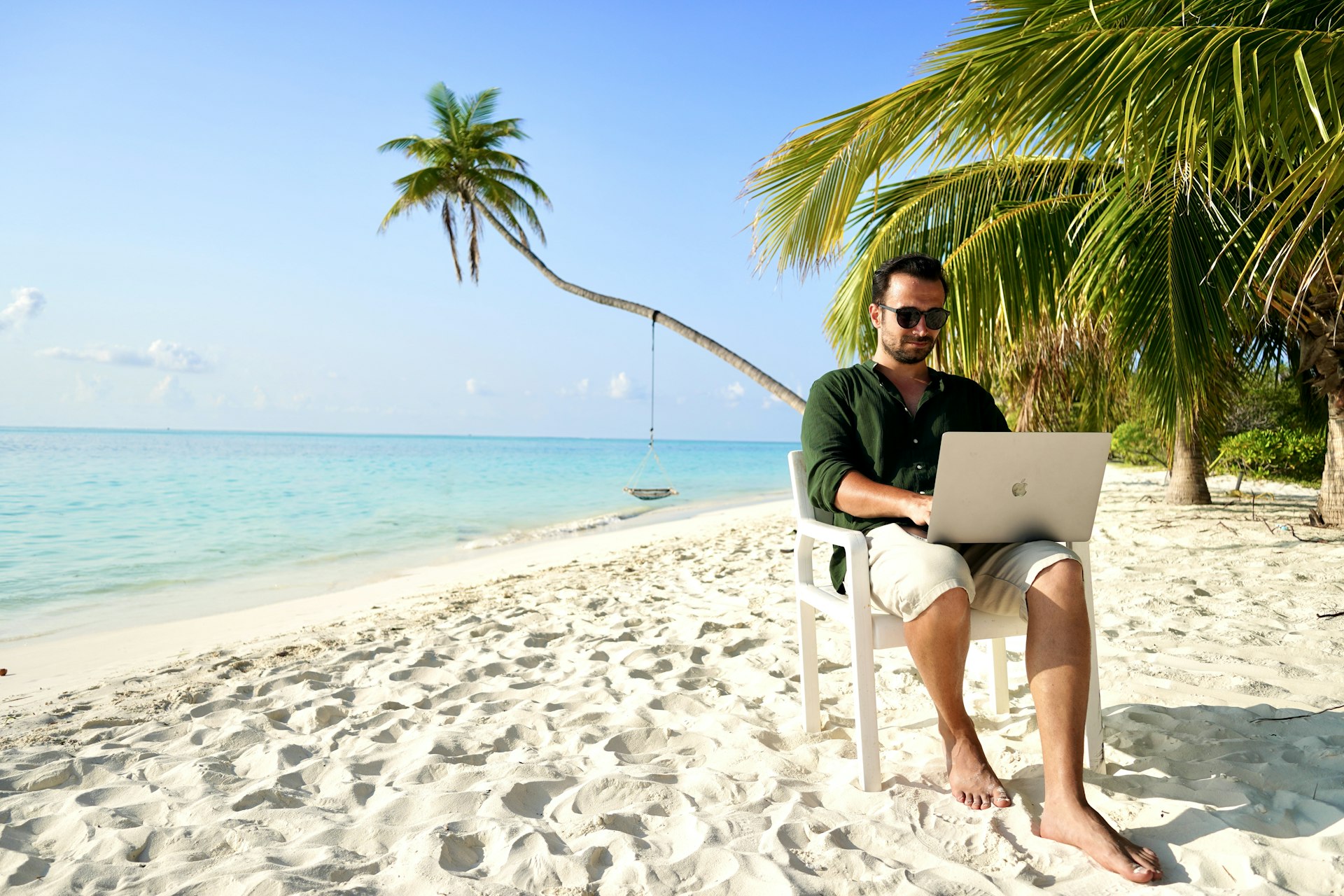
Photo by David L. Espina Rincon on Unsplash
As remote work becomes increasingly normalized, more professionals are embracing the opportunity to live and work across the globe for extended periods. The ideal long-term destination for a digital nomad goes beyond just a scenic view-it must offer reliable high-speed internet, affordable living costs, a supportive community, and visa options that accommodate extended stays. Each destination has its own unique strengths, catering to different priorities, from warm tropical climates to bustling cultural hubs.
Lisbon, Portugal
Lisbon has emerged as a top choice for long-term remote workers, thanks to its combination of European charm and accessible living costs. The city boasts an average internet speed of 60 Mbps, with most cafes and co-working spaces offering fiber-optic connections that support video conferencing and large file transfers without interruption. Co-working spaces like Second Home and Lx Factory provide dedicated work areas, meeting rooms, and networking events that connect nomads with local professionals and other remote workers.
Cost of living in Lisbon is significantly lower than in other Western European capitals, with a one-bedroom apartment in a central neighborhood costing around €800 to €1,200 per month, and daily meals at local eateries averaging €10 to €15. For long-term stays, Portugal’s D7 visa is a popular option, allowing remote workers to reside in the country for up to two years with the possibility of renewal, provided they can prove a steady income from outside Portugal. The city’s mild Mediterranean climate, historic architecture, and vibrant nightlife also make it an appealing place to unwind after work, with easy access to beaches and day trips to nearby towns like Sintra.
Chiang Mai, Thailand
Chiang Mai has long been a staple in the digital nomad community, known for its ultra-affordable living costs and laid-back atmosphere. Internet speeds in the city average 40 Mbps, with most co-working spaces and cafes offering free high-speed Wi-Fi that’s reliable enough for even the most data-intensive tasks. Punspace and The Hive are popular co-working spots that offer 24/7 access, private offices, and community events like yoga classes and language exchanges.
A one-bedroom apartment in Chiang Mai can cost as little as $300 to $500 per month, and street food meals are often under $2, making it an ideal destination for nomads on a budget. For long-term stays, the Non-Immigrant O-A visa allows remote workers to reside in Thailand for up to one year, with renewals available for additional years. The city’s rich cultural heritage, including ancient temples like Wat Phra That Doi Suthep, and proximity to national parks and mountains provide plenty of opportunities for outdoor adventures and cultural exploration during downtime.
MedellÃn, Colombia
MedellÃn has transformed itself in recent years from a city with a troubled past to a thriving hub for digital nomads. The city’s year-round spring-like climate, with average temperatures between 22°C and 28°C, is a major draw, as is its growing digital infrastructure. Internet speeds average 55 Mbps, and co-working spaces like Coworking MedellÃn and Selina offer modern work facilities, networking events, and accommodation options for long-term stays.
Cost of living in MedellÃn is affordable, with a one-bedroom apartment in a central neighborhood costing around $400 to $700 per month, and local meals averaging $3 to $8. Colombia’s Remote Worker Visa allows foreign professionals to reside in the country for up to two years, with the option to apply for permanent residency after five years. The city’s vibrant cultural scene, including annual events like the Flower Festival, and access to outdoor activities like hiking and paragliding make it a dynamic place to live and work.
Berlin, Germany
Berlin is a popular destination for digital nomads who value cultural diversity and access to European markets. The city’s internet infrastructure is among the best in Europe, with average speeds of 70 Mbps, and co-working spaces like Factory Berlin and WeWork offer state-of-the-art facilities and networking opportunities with startups and tech companies.
While cost of living in Berlin is higher than in other destinations on this list, it’s still more affordable than other major European capitals, with a one-bedroom apartment in a central neighborhood costing around €1,000 to €1,500 per month. The Freelancer Visa allows remote workers to reside in Germany for up to three years, with the possibility of extending to permanent residency after five years. Berlin’s rich cultural scene, including world-class museums, art galleries, and music venues, as well as its diverse food scene, make it an exciting place to live for long periods.
Mexico City, Mexico
Mexico City is a bustling cultural hub that offers a unique blend of ancient history and modern amenities for digital nomads. The city’s internet speeds average 50 Mbps, with co-working spaces like WeWork and Impact Hub providing flexible work options and networking events. The city’s large expat community and English-speaking population make it easy for nomads to settle in quickly.
Cost of living in Mexico City is affordable, with a one-bedroom apartment in a central neighborhood costing around $500 to $900 per month, and local meals averaging $4 to $10. The Temporary Resident Visa allows remote workers to reside in Mexico for up to four years, with the option to apply for permanent residency after that. The city’s numerous museums, parks, and cultural events, as well as its proximity to beaches and mountain towns, provide plenty of opportunities for leisure and exploration.

Photo by David L. Espina Rincon on Unsplash
Choosing the right long-term destination as a digital nomad depends on individual priorities, whether it’s cost, climate, cultural experiences, or visa ease. Each of these destinations offers a unique set of benefits that can support both productivity and personal growth, making them ideal for extended stays. By researching each location’s specific requirements and amenities, remote workers can find a place that aligns with their lifestyle and helps them thrive both professionally and personally.