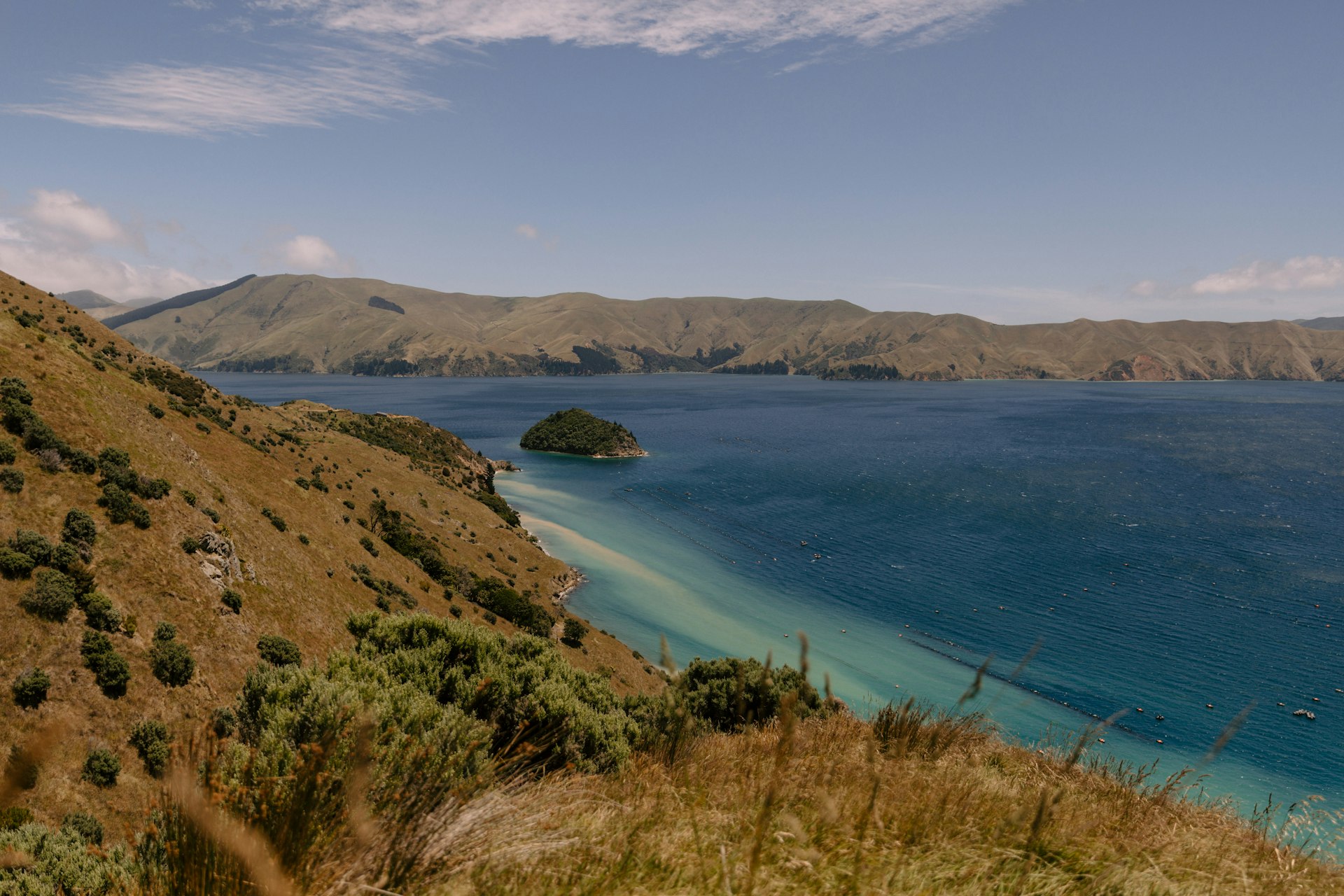
Master Crowd-Free Travel: Proven Timing Strategies for Ultimate Vacations

Photo by szm 4 on Unsplash
Unlocking Serene Adventures: The Power of Crowd-Free Travel Timing
Traveling during peak seasons often means long lines, inflated prices, and crowded landmarks that diminish the joy of discovery. Smart travelers turn to strategic timing, focusing on shoulder and off-season periods to enjoy destinations with fewer crowds, substantial savings, and more authentic experiences. Shoulder seasons, typically spring and fall, offer mild weather, reduced visitor numbers, and cost reductions of 20-50% on flights, hotels, and activities [1] . Off-season travel, from November through March in many regions, provides even greater solitude but requires planning for shorter daylight and potential closures [3] .
These strategies not only enhance enjoyment but also foster deeper connections with locals, who are less overwhelmed during quieter times. For instance, navigating neighborhoods or attractions becomes a leisurely pace rather than a race against throngs of tourists [2] . By mastering these timings, you can visit world-renowned spots like Barcelona or Yellowstone without the stress, turning potential frustrations into memorable highlights.
Understanding Shoulder and Off-Seasons: Your Timing Foundation
Shoulder season refers to transitional periods like April, May, September, and October in Europe and North America, blending favorable weather with fewer visitors. These months avoid extreme heat or cold while major attractions remain open, unlike deep off-season when some sites shutter [3] . In Mediterranean spots such as Italy or Spain, shoulder times still draw crowds due to pleasant temperatures, so precise planning is key.
Off-season, conversely, slashes airfares by up to 50%, especially avoiding popular travel days like Sundays [2] . Hotels drop rates, and vacancies abound, allowing negotiation for better deals. However, challenges include limited hours at rural sights and weather variability. To implement, research destination-specific patterns: European spots peak mid-summer, while tropical areas shift with rainy seasons [1] .
Step-by-step: First, identify peak periods via local holiday calendars. Next, target the weeks immediately after, when services linger but crowds wane. For example, post-Labor Day in U.S. parks yields 70-80% fewer visitors. Alternatives include mid-week travel or early mornings, extending these benefits year-round. Real-world application: A family visiting Yellowstone in September witnessed the elk rut amid golden foliage, unhindered by summer traffic [1] . Challenges like closing lodges are offset by camping or nearby towns, ensuring flexibility.
Destination Spotlights: Tailored Timing for Iconic Spots
Barcelona, Spain, thrives in May, September, or October, dodging July-August heat and hordes. As TripAdvisor’s top 2025 attraction, its Sagrada Familia and beaches empty out, allowing immersive walks through GaudÃ’s masterpieces. Travelers report personalized tours and 30% cheaper stays, with mild 70°F days perfect for exploration [1] . Plan by booking flights mid-week and visiting sites before 9 AM.
Yellowstone National Park shines in September, October, or April. September’s elk bugling and open roads draw wildlife enthusiasts sans summer jams. October brings autumn hues and 30-60°F weather for hikes, though some services close-pack accordingly. April reveals emerging bears and birds amid variable snow. A visitor in April hiked geothermal basins alone, capturing photos impossible in peak season [1] . Steps: Check NPS road status, layer clothing, and scout bison from afar for safety.
Montenegro and Albania offer Adriatic beauty in May-June or September-October, sidestepping July-August rushes. Montenegro’s Bay of Kotor fjords and Durmitor lakes feel exclusive, with costs 40% lower. Albania’s beaches and mountains provide value at a fraction of Croatia’s prices. Couples kayaking Kotor in May enjoyed captain-guided tours without lines, spotting fewer boats [1] . Overcome language barriers via apps; alternatives include bus tours from nearby hubs.
Faroe Islands, May-September, mimic Iceland’s drama minus crowds. Cliffs and Viking sites await in verdant isolation, with puffins nesting shorelines. Pack rain gear for frequent showers, but savor empty trails. Shoulder timing here maximizes daylight for puffin spotting, a highlight for birders [1] .
Advanced Strategies: Tech, Patterns, and Daily Hacks
Leverage Google Maps’ Popular Times for real-time crowd data, plotting visits during lulls. Crowd calendars on tourism sites forecast busyness by month. Align with school calendars: Avoid domestic breaks even in shoulder seasons [1] . For Europe, start trips early peak, like June 1, beating July influxes [3] .
Daily tactics: Hit attractions pre-9 AM or post-4 PM, evading day-trippers and cruise ships. In Venice or Dubrovnik, evenings transform hectic days into magic. Mid-week flights cut costs further. Implementation: Use apps like Rome2Rio for transport, set alerts for deals. A solo traveler in Scandinavia chose peak for long days but shoulder edges for sparsity, enjoying fjords crowd-free [3] .
Challenges like closures? Opt for big cities with year-round buzz or self-guided apps. Budget travelers save via hostels open off-season. Track weather apps for micro-timing hikes. These hacks compound: One group saved $1,200 on a Europe loop by mixing shoulders and early mornings [2] .

Photo by Y M on Unsplash
Overcoming Obstacles and Maximizing Benefits
Weather risks in off-season demand layers and backups, like indoor museums. Shorter hours mean prioritizing: List must-sees first. Locals warm up sans peak fatigue, sharing tips over uncrowded meals [2] . Spontaneous plans flourish without reservations battles.
For families, shoulder post-low season keeps prices low as weather improves [4] . Business travelers note city hotels stay pricey off-season, so mix with rural escapes. Sustainability bonus: Less strain on sites preserves them. A study notes off-season visitors report 40% higher satisfaction from immersion [5] .
Steps for success: Build a 6-week itinerary front-loading busy spots, back-load relaxing family time. Verify openings via official tourism boards. Alternatives: Domestic shoulders if international off-seasons clash. This approach yields profound trips, like wildlife safaris in cooling parks or cultural dives in reviving towns.
References
[1] Travel Dudes (n.d.). The Best Off-Season Holiday Destinations. [2] Marriott Traveler (n.d.). Beat the Heat and Crowds: 5 Reasons to Travel in the Off-Season. [3] Rick Steves (n.d.). When to Go to Europe: Timing Your Trip. [4] Expat Explore (n.d.). Best Time to Travel Anywhere. [5] Frequent Miler (n.d.). The Best Time of Year to Visit Every Country.