Unforgettable Study Abroad Travel Experiences: Real Stories and Essential Tips

Photo by Artem Beliaikin on Unsplash
Introduction to Study Abroad Travel Experiences
Study abroad programs offer more than academic coursework; they provide unparalleled opportunities for travel that deepen cultural understanding and personal growth. Students often describe these travels as life-changing, blending classroom learning with real-world exploration. From group excursions to solo ventures, these experiences foster independence, curiosity, and adaptability. Programs like those offered by CIEE in France highlight how travel reveals local lifestyles, such as navigating bike-filled streets in Amsterdam or marveling at historic cathedrals. [1] Similarly, DIS Copenhagen integrates field studies and international trips tied to core courses, making learning hands-on and immersive. [2] This article draws from real student accounts to explore these experiences, offering actionable guidance for prospective travelers.
Group Travel and Program-Structured Excursions
Many study abroad programs organize group trips that align with academic themes, providing structure while encouraging exploration. For instance, DIS Copenhagen’s core courses include short study tours within Denmark or nearby countries, followed by longer week-long trips across Europe. These tours feature guest lectures, museum visits, and guided activities tailored to the curriculum, such as environmental studies in relevant landscapes. Participants appreciate the logistical support, like airport pickups and luggage handling, which ease transitions for first-time international travelers. [2] In the USF London and Paris program, pre-departure sessions covered geography, history, and cultural norms, preparing students for seamless integration. This preparation reduced on-site confusion, allowing focus on experiences like strolling through landmarks or sampling local cuisine. [4]

Photo by Amanda Bartel on Unsplash
To participate in such programs, research providers like CIEE, DIS, or university-specific options through your institution’s global office. Steps include: 1) Review program itineraries for travel components; 2) Attend info sessions for insights from alumni; 3) Budget for optional extensions; 4) Prepare culturally by learning basic phrases and customs. Challenges like group dynamics can arise, but solutions involve open communication and flexibility. Alternatives include faculty-led trips, which offer academic credit and smaller groups for personalized attention.
Solo Travel Adventures and Pushing Comfort Zones
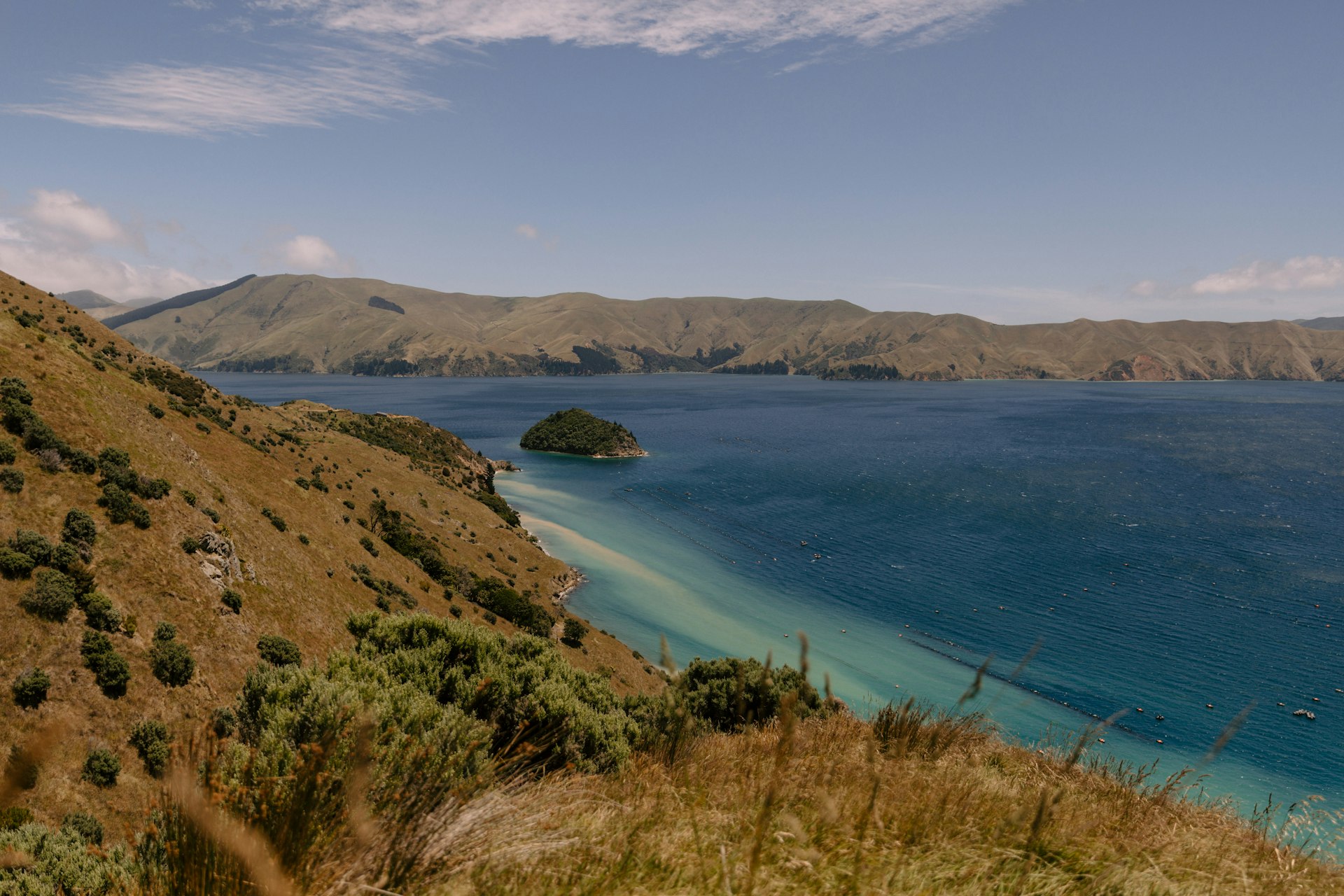
Solo travel during study abroad builds confidence and self-reliance, often leading to profound insights. A Georgetown student in Florence took a solo trip to Switzerland’s Lauterbrunnen Valley, choosing quiet alpine towns like Mürren and Gimmelwald for nature immersion. Relying on precise Swiss trains, she arrived efficiently and embraced solitude amid stunning scenery. This experience shifted her from group-dependent travel to independent exploration, highlighting Europe’s spontaneous travel ease via the Schengen Zone. [3] CIEE participants in France also ventured alone to Amsterdam, renting bikes to integrate into local flow, feeling true freedom. [1]
Planning a solo trip starts with safety: Select destinations with reliable transport, book accommodations via established platforms, and share itineraries with program staff. Use apps for real-time updates and join expat forums for tips. Potential hurdles include loneliness or navigation issues; counter them by scheduling flexible meetups or carrying offline maps. For first-timers, begin with short overnights. Real-world example: The Swiss trip, planned a week ahead using guidebooks like Rick Steves, balanced adventure with preparation. Key takeaway: Solo travel teaches instinct-trusting, essential for personal growth.
Cultural Immersion and Unexpected Lessons
Travel experiences abroad often surprise with cultural nuances that reshape perspectives. In Paris, a USF student overcame language fears, finding locals helpful despite barriers, and noted a relaxed pace contrasting U.S. busyness. This fostered better cross-cultural communication, valuable for communications majors. [4] A University of Chester geography student in the U.S. explored Yellowstone, attended sports events, and witnessed northern lights, discovering passions by stepping outside comfort zones. Cultural differences in school events and daily life built confidence and risk-taking. [7] CIEE advises traveling curiously-noting how people live and move-to maximize learning. [1]
To immerse deeply, engage locals through homestays or markets, journal reflections daily, and participate in recreational activities. Steps: 1) Research etiquette via embassy sites; 2) Try public transport like bikes or trains; 3) Attend events like festivals. Challenges such as culture shock may occur; mitigate with peer support groups or program counseling. Alternatives: Virtual cultural exchanges pre-departure. Case study: Barcelona study abroad led to reflections on managed expectations, enhancing appreciation via journaling. [5] These immersions often yield skills like adaptability, brought home through ambassador programs.
Practical Tips for Maximizing Travel
Effective packing and planning elevate study abroad travels. Blogs like Amy Littleson’s recommend versatile items for Europe: pack light with multi-use clothing, quality boots, and adapters. Must-haves include Patagonias for variable weather and passport covers for security. [6] Pre-trip reflection on intentions, as suggested by seasoned travelers, aligns expectations with reality, avoiding disappointments from social media ideals. [5]
Step-by-step guide: 1) Create a budget covering trains, hostels, food; 2) Use rail passes for Europe; 3) Book mid-week for savings; 4) Learn apps like Citymapper; 5) Secure travel insurance. For first-gen students, leverage program resources like orientation. [8] Challenges: Jet lag or budget overruns-solve with rest days and tracking apps. Alternatives: Budget airlines or overnight trains. Examples from Prague diaries emphasize sharing experiences to inspire others.
Lasting Impacts and Bringing It Home
Study abroad travel transforms lives, exposing students to diverse cultures and building resilience. A Columbia student noted complete personal growth from these exposures. [9] Reflections via journaling or ambassador roles help process gains, like improved communication or curiosity. [4] Programs ease adjustments, turning initial anxiety into love for host countries.
To sustain impacts: Join alumni networks, share stories at career fairs, pursue related jobs. Steps: 1) Document via blogs; 2) Mentor peers; 3) Apply skills in resumes. Overall, these experiences teach that growth comes from curiosity and openness.
References
- CIEE (n.d.). Travel Experiences. Student reflections on curious travel in France and Amsterdam.
- Tufts Admissions (n.d.). My Experience Studying Abroad with DIS Copenhagen. Details on structured tours and support.
- Georgetown University (n.d.). Taking a Solo Trip While Studying Abroad. Account of Swiss solo adventure.
- USF Admissions (n.d.). What I Learned During My Study Abroad Experience. Insights from London-Paris program.
- GoOverseas (n.d.). Lessons Learned from Living, Teaching, Studying Abroad. Tips on expectations and reflection.
- Amy Littleson (n.d.). Study Abroad Tips & Travel Diaries. Packing and diary advice for Europe.
- University of Chester (n.d.). Highlights of My Study Abroad Experience. U.S. cultural and recreational insights.
- UC EAP (n.d.). My Study Abroad Experience as a First-Gen Student. Adjustment tips.
- Columbia Global (n.d.). Studying Abroad Completely Changed My Life. Personal growth summary.