Discover Authentic Indigenous Tourism Experiences Through Powerful Storytelling

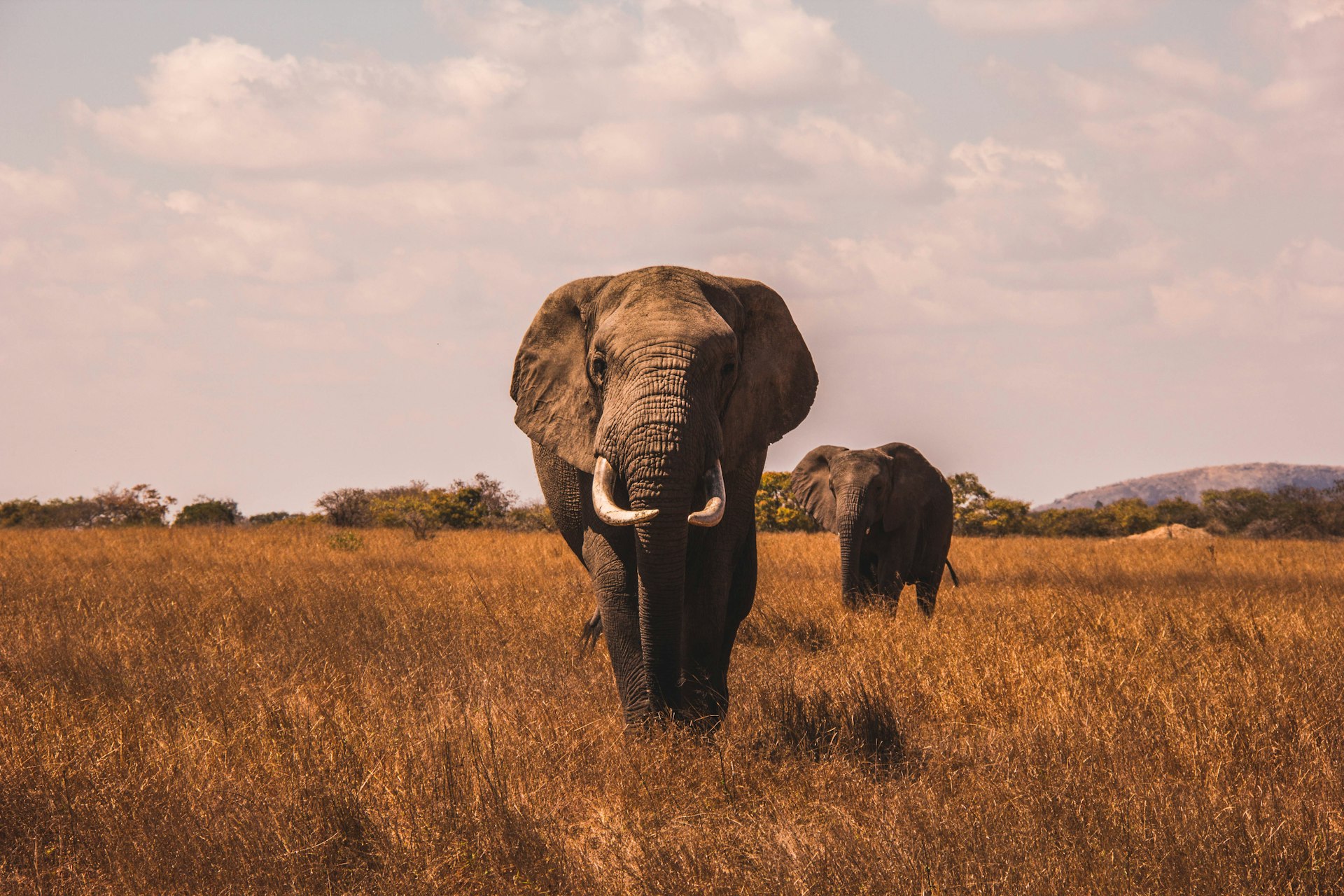
Photo by sayan Nath on Unsplash
Unlocking Cultural Depths: The Rise of Indigenous-Led Tourism
Indigenous tourism experiences stand out by placing local communities at the center, allowing visitors to engage directly with authentic narratives and traditions. These tours, often guided by tribal members, dispel myths and preserve cultures through hands-on immersion. [1] Unlike conventional sightseeing, they emphasize storytelling as a vital thread connecting generations, landscapes, and visitors to the profound histories of Indigenous peoples. Participants gain insights into origin stories, daily lifeways, and resilience, creating lasting bonds with the places visited.
This approach not only educates but also supports economic empowerment for Indigenous communities. For instance, tours in areas like Mesa Verde National Park feature Ute tribal guides who share petroglyph interpretations and clan migrations, highlighting how cliff dwellings serve as reminders of ancestral footsteps. [1] Such experiences encourage respectful tourism that honors the land’s original inhabitants while promoting cultural revitalization.
Storytelling as the Heart of Indigenous Experiences
Storytelling forms the core of Indigenous tourism, transforming passive observation into active participation in cultural narratives. Guides recount origin tales, healing legends, and generational knowledge around campfires or during hikes, making abstract history tangible. [1] In one example, Kootenai guides on Water People Tours weave tales of ancient territories tied to mountains, lakes, and rivers, emphasizing language preservation to ensure traditions endure. [1]

Photo by Megan O’Hanlon on Unsplash
These stories often address sensitive topics thoughtfully, focusing on positivity and renewal. At Camp Ka Papa, opened in 2022, tribal youth learn and share Kootenai history and language, hiring locals to sustain fluency amid declining speakers. [1] Visitors might hear fireside accounts of chiefs and bison ranges, fostering a sense of continuity. To access such experiences, research tribal parks or cultural centers via official tourism boards, contacting them directly for guided availability. This method ensures authenticity, as Indigenous operators control the narrative.
Challenges like historical traumas, such as boarding schools, are navigated with care, prioritizing healing over pain. Guides train to maintain uplifting tones, allowing stories to inspire rather than overwhelm. Alternatives include virtual storytelling sessions offered by some communities, providing entry points for those unable to travel.
Iconic U.S. Indigenous Tourism Destinations
In the United States, standout experiences include Ute Mountain Tribal Park tours, where visitors explore 1,000-year-old dwellings and petroglyphs accessible only with tribal guides. [1] Guides like Hayes share Ute and Hopi origin stories, pointing to handprints as timeless markers of presence. Tours last about three hours, combining hikes with cultural interpretations amid wildflowers and sagebrush.
Mohawk boat tours on the Akwesasne reserve discuss pre-colonial history, guiding roles for early explorers, and community pride in landmarks like a 1700s church. [1] Narrow channels reveal nesting eagles, enhancing the immersive feel. Initially popular with locals reliving memories, these tours now welcome outsiders. Booking through tribal websites or regional tourism offices is recommended; search for “Akwesasne Mohawk tours” to find operators.
Yurok canoe trips in California introduce visitors to canoes viewed as living spirits with hearts and organs. [3] Deputy Director Linda Cooley explains tribal history during paddles, marking a rare opening of sacred practices. Potential challenges include seasonal access; plan via tribal economic development contacts. Cherokee experiences in North Carolina feature artisan demonstrations and the play “Unto These Hills,” dramatizing the Trail of Tears and survival. [1]
Global Perspectives on Indigenous Storytelling Tours
Beyond the U.S., Indigenous tourism thrives worldwide, with storytelling central to each. In Canada, Travel Manitoba promotes immersive workshops, cuisine, and powwows like Manito Ahbee, held on sacred sites translating to “Where the Creator Sits.” [4] These events unite through dance and inspiration, fostering global recognition of heritages. To participate, check provincial tourism sites for schedules, typically starting in May.
Indigenous Tourism BC invites exploration of arts and culture through stories, with new experiences among Hucha Hudan people sharing Hudson’s Bay Company lore. [8] [9] In Sweden, Sámi lands offer tours of reindeer herding and shamanic rituals by Lake Khovsgol. Thailand’s Karen villages provide ethical elephant encounters, including homestays and horseback access to remote areas. [5]
Art-focused tours, like those to Carrie Hill’s basketry workshop, reveal family histories and endangered sweetgrass traditions. [2] Visitors weave their own pieces, learning harvesting techniques. Museums like those with “Creations of Spirit” exhibits blend Smithsonian artifacts with modern flutes and canoes, using projections for immersion. [2] Seek group travel leaders for organized visits.
Practical Steps to Plan Your Indigenous Tourism Adventure
Start by identifying interests-hiking, boating, or crafts-then search official Indigenous tourism associations. In the U.S., look for tribal park websites or national park partnerships; in Canada, use Indigenous Tourism BC or similar. [8] Contact operators via phone or email listed on verified sites, inquiring about group sizes, durations, and costs, which vary but emphasize community benefits.
Step 1: Research via keywords like “Ute Mountain Tribal Park tours” or “Kootenai Water People Tours.” Step 2: Verify Indigenous-led status. Step 3: Book in advance, especially summer. Step 4: Prepare respectfully-ask about protocols. Alternatives include self-guided audio tours from apps or community events. Challenges like limited access resolve through off-peak visits or virtual options.
These experiences heal and educate, as seen in memorials for residential school survivors in Manitoba. [4] By choosing Indigenous operators, travelers contribute to preservation and economic growth.
Preserving Traditions Through Tourism
Indigenous tourism revives languages and hires youth, as at bear-viewing lodges near 4,000-year-old sites. [1] It builds on successes like 1980s park openings, shifting perceptions positively. Globally, it diversifies economies and deepens land connections. [4]
Engage by supporting artisans, attending powwows, or joining storytelling sessions-each step honors the narrative tapestry binding people to place. [7]
References
[1] American Indian Magazine (n.d.). Indigenous-Led Tourism is Dispelling Myths While Preserving Cultures. [2] Group Travel Leader (n.d.). Sharing Indigenous Stories Through Art. [3] Out Traveler (2022). 10 Indigenous Travel Experiences Everyone Should Have. [4] Destinations International (n.d.). Embracing Indigenous Tourism for Empowered Experiences. [5] Wanderlust Magazine (n.d.). 11 authentic Indigenous trips around the world. [7] Churchill Northern Studies Centre (n.d.). The World of Indigenous Tourism. [8] Indigenous Tourism BC (n.d.). Experience BC Through Our Stories. [9] Indigenous Tourism Canada (n.d.). 13 New Indigenous Tourism Experiences.