How to Safely Experience Los Angeles: Essential Travel Guidance for 2025

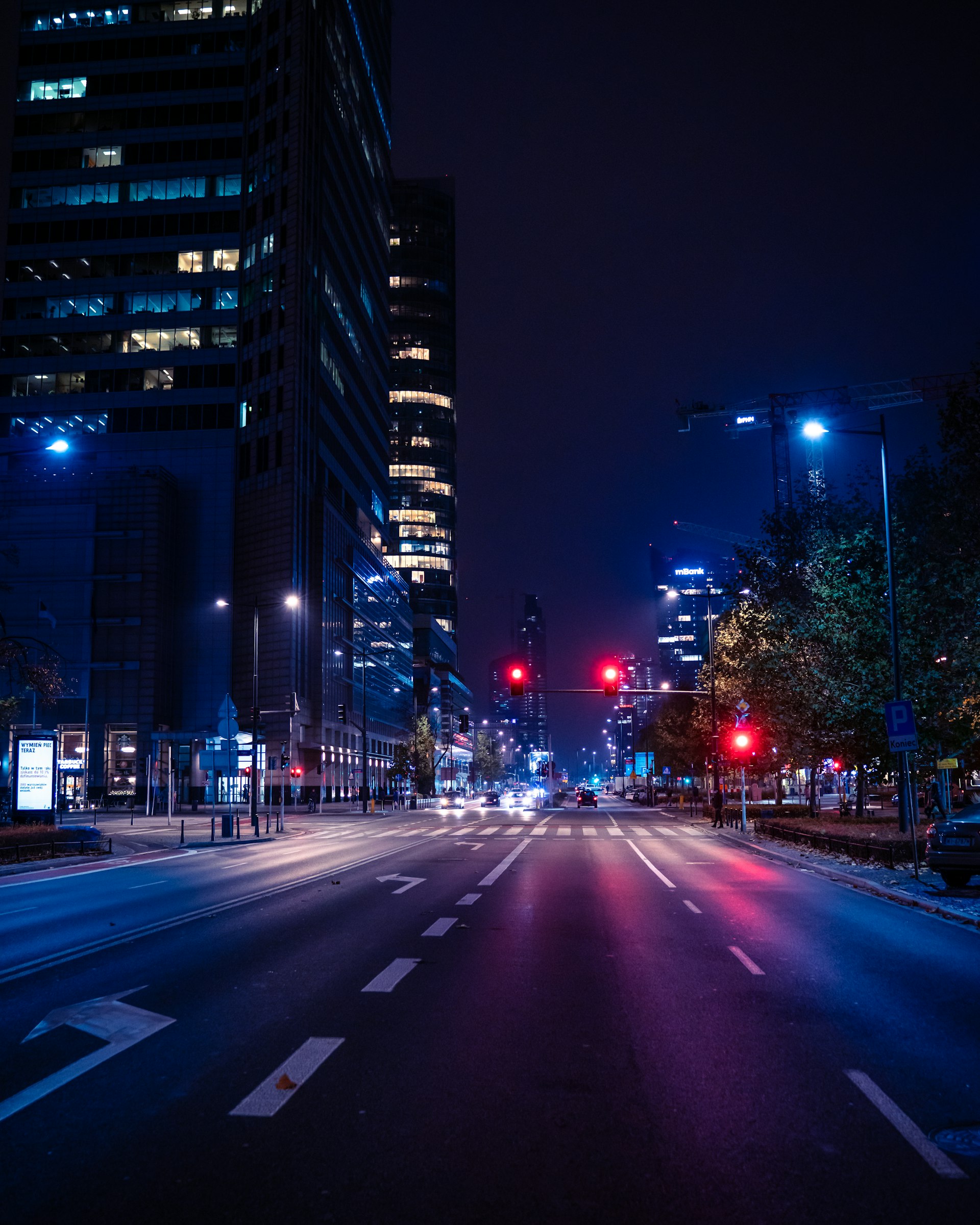
Photo by David Vives on Unsplash
Planning Your Trip: Understanding Current Safety in Los Angeles
Los Angeles, one of the world’s most dynamic cities, continues to attract millions of visitors each year with its iconic attractions, diverse neighborhoods, and vibrant cultural scene. As with any major urban destination, safety remains a common concern for travelers. To help you make informed decisions, this guide provides a comprehensive overview of what to expect when visiting Los Angeles in 2025, including recent safety trends, practical advice, and step-by-step instructions for staying secure throughout your trip.
General Safety Conditions in Los Angeles
Most of Los Angeles County-including major tourist destinations like Hollywood, Santa Monica, Beverly Hills, and the famous Santa Monica Pier-remains accessible and welcoming to travelers. Over 98% of the area is considered safe and unaffected by recent crises or disruptions. Key attractions such as Universal Studios Hollywood, Griffith Observatory, and the Hollywood Sign are fully operational and continue to draw visitors from around the globe [3] .
Neighboring cities such as Pasadena, Marina del Rey, West Hollywood, and Santa Clarita are also open for tourism, offering fully functioning hotels, restaurants, and events. These locations are highly recommended for those seeking a worry-free travel experience. However, as with any major city, it is essential to remain vigilant, especially in unfamiliar or high-traffic areas.
Areas to Approach with Caution
While Los Angeles is largely safe for visitors, some neighborhoods have elevated crime rates and are best avoided, especially after dark. Areas such as Skid Row, South Los Angeles, and Westlake continue to experience higher incidents of violent crime, property theft, and gang activity [1] . Skid Row, for example, has a violent crime rate of 48.13 incidents per 1,000 residents and property crime reaching 97.49 incidents per 1,000 residents annually-much higher than national averages. These statistics underscore the importance of avoiding these districts when possible.
Tourist-frequented areas like Hollywood and Venice Beach may experience spikes in petty theft and scams, particularly after sunset. Travelers are advised to remain alert, secure valuables, and avoid isolated locations during late hours. Koreatown, Downtown LA (DTLA), and the Fashion District also become riskier at night. When in doubt, stick to well-lit, populated areas and use reputable transportation options.
Citywide Safety Initiatives and Resources
The City of Los Angeles has implemented several measures to enhance traveler safety. Business Improvement Districts (BIDs) in Downtown LA provide additional street patrols and maintenance, with safety officers-often identifiable by their purple or green shirts-patrolling popular districts [2] . These officers are trained to assist visitors and provide support during events or emergencies. If you encounter them, feel free to request help or directions.
For real-time emergency alerts, visitors can use NotifyLA, the city’s official notification system. To receive up-to-date safety advisories, text the zip code of your stay to 888777. This service will provide you with localized alerts during emergencies or major incidents. Staying informed is one of the most effective ways to prevent unexpected disruptions during your trip.
Practical Safety Tips for Travelers
To make the most of your visit, consider these proven safety strategies:
- Stay aware of your surroundings in crowded or unfamiliar areas. Avoid distractions such as excessive phone use when navigating busy streets.
- Travel in groups when possible, particularly after sunset. There’s safety in numbers, and group travel can deter petty crime.
- Secure your belongings by keeping valuables out of sight and using anti-theft bags or pouches. Pickpocketing can occur in crowded tourist zones.
- Use reputable transportation such as licensed taxis or established rideshare apps. Avoid accepting rides from unmarked vehicles or individuals soliciting on the street.
- Stick to daylight hours for exploring higher-risk neighborhoods. Plan your itinerary to prioritize riskier areas during the day, and return to your accommodations before dark.
- Wash hands frequently and maintain basic hygiene, as recommended by health authorities, to prevent illness [2] .
- Stay up-to-date on vaccinations and bring any necessary medications, especially if you have specific health needs.
Should you need urgent help, dial 911 for emergencies. For non-emergency situations, the Los Angeles Police Department (LAPD) can be reached by searching for the nearest station or visiting the official LAPD website for contact details.
Recent Safety Improvements and Urban Initiatives
The city continues to invest in infrastructure and pedestrian safety. For instance, recent upgrades to pedestrian crossings near Park La Brea have included refuge islands, flashing beacons, and enhanced signage to improve visibility and reduce accidents [4] . These improvements reflect Los Angeles’s ongoing commitment to making the city safer for both residents and visitors. Travelers are encouraged to use marked crosswalks and pay attention to new traffic signals, especially in busy or recently updated areas.
Step-by-Step Guidance for Safe Travel in Los Angeles
1. Choose your neighborhood wisely: When booking accommodations, prioritize well-reviewed hotels or rentals in areas known for safety, such as Santa Monica, Beverly Hills, or West Hollywood. Use trusted travel platforms and check recent guest feedback.
2. Plan your itinerary: Structure your days to visit high-traffic areas and attractions during daylight hours. Reserve evenings for dining or entertainment in secure, bustling neighborhoods.
3. Register for local alerts: Text your LA zip code to 888777 to receive NotifyLA emergency updates. This will help you stay informed about any developing situations.
4. Familiarize yourself with transportation options: Rely on established public transit, official taxi stands, or major rideshare apps. Avoid walking alone at night in unfamiliar neighborhoods.
5. Stay connected: Share your itinerary with friends or family and check in regularly. If you’re traveling solo, consider using location-sharing features on your mobile device.
6. Monitor local news and advisories: Before and during your trip, review updates from the City of Los Angeles, local tourism boards, and reputable news outlets for the latest safety developments.
Alternative Approaches and What to Do If You Feel Unsafe
If you feel uncomfortable in an area or encounter suspicious behavior, move to a well-lit, populated location and seek assistance from local authorities or BID safety officers. Many hotels and major attractions have dedicated security staff who can offer guidance or help arrange transportation. For ongoing or severe safety concerns, consider adjusting your itinerary to focus on nearby cities like Pasadena or Santa Monica, both of which are recognized for their welcoming environments and lower crime rates [3] .
For travelers with unique needs, such as families with young children or individuals with disabilities, Los Angeles offers a range of accessible resources. Contact your accommodation in advance to discuss any specific safety measures or accessibility concerns. You can also inquire with local tourism offices for recommendations tailored to your situation.

Photo by tommao wang on Unsplash
Key Takeaways for a Safe and Enjoyable Visit
Los Angeles remains a world-class destination, with the vast majority of its districts safe and open for exploration. By staying informed, following practical safety steps, and leveraging city resources, you can confidently enjoy all that LA has to offer. Always use qualifying language when referencing safety-conditions can change, and it’s important to remain adaptable. With careful planning and awareness, your trip to Los Angeles in 2025 can be both exciting and secure.
References
- [1] Freedom For All Americans (2025). Areas to Avoid in Los Angeles in 2025.
- [2] Discover Los Angeles (2025). Smart Travel Tips & Information.
- [3] Visit California (2025). California Travel During Crisis: Frequently Asked Questions.
- [4] Los Angeles Department of Transportation (2025). Weekly Update: September 11, 2025.