
Are Rent-to-Own Listing Websites Worth Paying For?
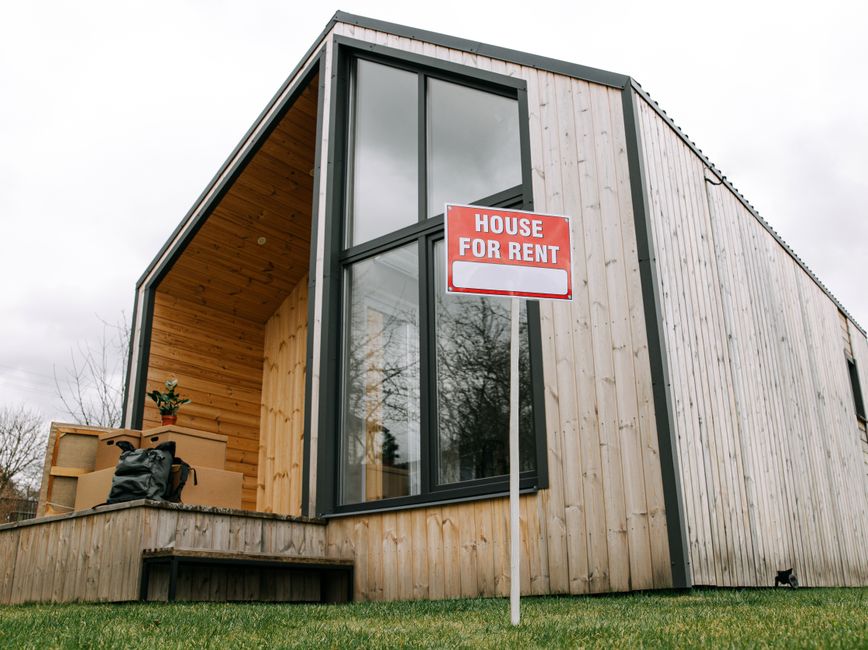
Rent-to-own listing websites can help you find ads, but a paid membership does not create a right to buy a home. That right comes only from a property-specific agreement with an owner or authorized seller. Before paying for access, verify the address, owner, listing status, total fees, purchase terms, and the financing needed to close later.
Is GetRentToOwn a real rent-to-own program or a listing service?
GetRentToOwn can be evaluated as a listing service unless the specific property paperwork gives you a purchase right; access to listings is not the same thing as an agreement to buy a particular home. That distinction is where many hopeful renters lose the plot. A search page can surface possibilities. It cannot transfer a purchase option to you.
According to Cornell Law School’s Legal Information Institute, a lease option lets a tenant lease a property and gives that tenant the right, but not the obligation, to buy under specified terms. A lease-purchase arrangement is different: it generally obligates both sides to complete the sale at the end of the lease. Neither arrangement exists because someone paid a website membership fee.
Here is the plain-English test: identify the exact home, the owner or authorized seller, the future purchase price or method for setting it, the lease term, the option deadline, and what happens to every upfront payment. If those terms are absent from a property-specific contract, there is no demonstrated purchase option. There is only a lead.
The National Association of Realtors makes the same practical distinction: a lease option preserves a choice to buy later, while a lease-purchase generally creates an obligation. Treating those as interchangeable is costly. The first gives an exit route; the second can turn a hopeful plan into a binding commitment.
Why do rent-to-own websites ask for a membership fee?
Rent-to-own websites ask for membership fees to charge for access or related services, but the fee itself does not prove that a listing is current, legitimate, or available to buy. That is the key boundary. Paying to search is not the same as paying option consideration to an owner under a signed lease-option agreement.
The Federal Trade Commission warned in its 2016 consumer alert on rent-to-own home deals that even legitimate arrangements can involve upfront fees and higher monthly payments than ordinary renting. The FTC also warns that a missed payment can end some deals, and that a buyer may later discover the agreed purchase price is above the home’s current value or that mortgage qualification is out of reach. A fee is not automatically a scam. Pretending it buys certainty is the problem.
Separate every dollar into a category before paying anything: website access, application charges, deposits, option consideration, rent, any rent premium, and future closing or mortgage costs. The sources do not establish a standard price for any of those categories, so public data does not support calling one fee “normal” without reviewing the actual terms.
| Payment or document | What it can do | What it does not prove |
|---|---|---|
| Website membership | May provide access to listings or site features | That a specific home is available or reserved for purchase |
| Lease-option agreement | Can set a tenant’s right to buy under stated terms | That the tenant will qualify for a mortgage later |
| Lease-purchase agreement | Can set a path that generally obligates a future sale | That the price will match future market value |
| Mortgage preapproval or underwriting | Addresses financing under a lender’s process | That a private listing or owner is legitimate |
Before sharing a Social Security number, driver’s-license image, paystub, deposit, or recurring-payment details, use the FTC’s rental-scam checks. The FTC advises searching the address alongside the owner’s or rental company’s name, looking for conflicting ads, and checking the company’s own website. See the property or arrange a trusted visit or virtual tour before signing or paying. A tour helps, but it is not a magic shield.
Verify the home itself, too. A future purchase plan does not remove the value of learning about condition; this site’s guide on independent inspections for a newly built home explains why a separate inspection matters before a purchase commitment.
Do rent-to-own listings guarantee that I can buy the home later?
No. A rent-to-own listing does not guarantee a later purchase, and even a signed agreement can leave major risks around payment performance, home value, title, and future mortgage approval. The truth is that a listing solves the search problem, not the ownership problem.
The FTC’s 2016 guidance explains the pressure points: some agreements can end after a missed payment; the agreed price can exceed the home’s then-current value; and the renter may not qualify for the mortgage needed to finish the purchase. NAR also notes that rent-to-own buyers can risk losing upfront payments and money spent improving a home if they do not receive title. That is not a reason to declare every agreement bad. It is a reason to stop treating “rent credits” as a guaranteed down payment.
Here is the decision sequence that saves time. First, verify that the person offering the home can authorize the deal. Next, read the property-specific agreement for the purchase right or obligation, price, dates, payment consequences, and treatment of upfront money. Then compare the arrangement with ordinary renting while building savings and with mortgage programs that have published rules. Do not reverse that order.
HUD’s 2010 FHA policy announcement stated that borrowers with a minimum FICO score of 580 could qualify for FHA’s 3.5% down-payment program, while borrowers below 580 had to put down at least 10%. Those are HUD’s 2010 thresholds, not a promise of present-day approval or a substitute for lender underwriting. They do show why browsing eligibility and financing eligibility are separate questions.
The Consumer Financial Protection Bureau also describes down-payment assistance that can be used with regular FHA or conventional loans, plus eligible USDA loans with zero down payments and VA loans with low or zero down payments. USDA and VA options can involve upfront charges, and USDA generally includes ongoing mortgage-insurance premiums. The cheapest-looking path is not always the lower-risk path once the contract and financing are on the table.
For an independent reality check, HUD-certified housing counselors offer advice tailored to a household’s housing needs, including budgeting, credit, pre-purchase counseling, homebuyer education, and predatory-lending education. HUD says foreclosure, eviction, and homeless counseling are always free; other counseling or workshops may carry a disclosed nominal fee that is waived when a client cannot afford it. That is a more useful starting point than paying for a listing and hoping the paperwork works out.
Rent-to-own can be a real contract structure. A rent-to-own website can be a real search tool. Neither label does the due diligence for you. Verify first, compare the exit costs, and keep a mortgage-readiness plan running alongside any private arrangement.
Frequently Asked Questions
What credit score do I need for a rent-to-own home program?
There is no single credit-score requirement for all rent-to-own arrangements because listing websites, owners, and institutional programs set different rules. For FHA policy described by HUD in 2010, a minimum FICO score of 580 qualified borrowers for a 3.5% down payment, while scores below 580 required at least 10% down. A score alone does not determine mortgage approval; the full application and underwriting still apply.
How can I tell whether a rent-to-own listing is still available?
Search the property address together with the owner’s or rental company’s name, as the FTC recommends, and check whether the company lists the property on its own website. See the property in person, have a trusted person visit, or use a video or virtual tour before signing or paying. A tour is useful evidence, not a guarantee that the listing is real or still available.
What are safer alternatives if I cannot qualify for a mortgage yet?
The CFPB identifies down-payment assistance programs that can work alongside FHA or conventional loans, along with eligible USDA and VA programs that can offer low or zero down payments. HUD-certified housing counselors provide independent advice on budgeting, credit, pre-purchase preparation, and homebuyer education. Those routes do not promise approval, but they separate mortgage readiness from a private seller’s contract.
Sources
- Federal Trade Commission: What You Need to Know About Rent-to-Own Home Deals
- Federal Trade Commission: Rental Listing Scams
- Cornell Law School Legal Information Institute: Lease Option
- U.S. Department of Housing and Urban Development: FHA Credit Score Policy, 2010
- Consumer Financial Protection Bureau: Special Loan Programs
- U.S. Department of Housing and Urban Development: Housing Counseling
- National Association of Realtors: Lease Option Purchases
Disclaimer: This article is for general information only and is not financial advice. It does not take your personal circumstances into account, and past performance does not predict future results. Speak to a licensed financial professional before making money decisions.