
Can a Two-Bedroom Senior Apartment Accommodate a Spouse, Caregiver, Adult Child, or Roommate?
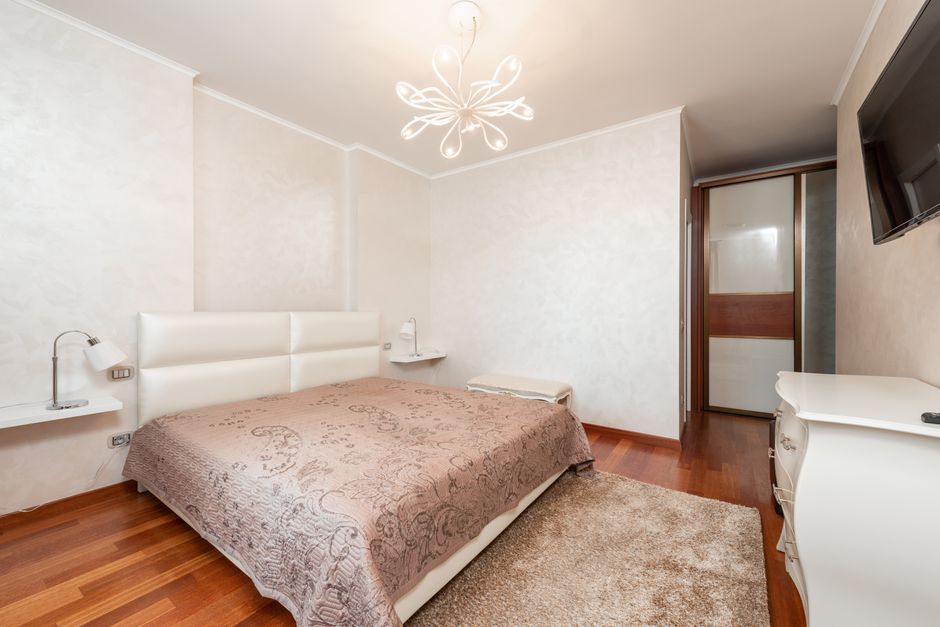
A two-bedroom senior apartment can often accommodate a spouse, caregiver, adult child, or roommate, but the answer turns on the property’s age designation, written household rules, and occupancy policy. In a 55+ community, one qualifying resident can satisfy the federal age standard for a unit; 62+ housing is much stricter. A caregiver or adult child may need approval, especially in subsidized housing.
Can a married couple live in a two-bedroom senior apartment if only one person is 55 or older?
Usually, yes in a 55+ community, but not automatically in a 62+ community. The federal rule for housing that qualifies as 55+ does not say every person in an apartment must be age 55 or older. Under 24 CFR 100.305, at least 80 percent of occupied units in the community must have at least one occupant age 55 or older. That is a community-wide threshold, and the qualifying resident can be one member of the household.
That distinction matters. A spouse under age 55 is not automatically disqualified by the federal 55+ framework when the other spouse meets the age requirement. But the lease, application standards, or house rules still control who the property accepts. Do not confuse a federal exemption with a guaranteed approval. They are not the same thing.
The answer changes sharply for a 62+ property. Cornell Law School’s text of 24 CFR 100.303 gives a direct example: a 62-year-old applicant and a 59-year-old spouse cannot be admitted if the community intends to retain its 62+ exemption. The practical move is blunt: ask management whether the building operates as 55+ or 62+, then ask for the household-age rule in writing before paying an application fee.
Can my adult child live with me in a senior apartment?
An adult child may be allowed, but permanent residency is a separate question from visiting. In a market-rate 55+ community, the answer depends on the lease, age policy, screening rules, and occupancy limit. The federal 55+ standard can allow a younger household member when one occupant is at least 55, but it does not force a property to approve every proposed household arrangement.
Subsidized senior housing can be more specific. HUD guidance says an adult child may move into a Section 202/8 project after initial occupancy only when the child is essential to the elderly parent’s care or well-being. In Section 202 PRAC and Section 811 PRAC housing, the adult child must perform live-in-aide functions and qualify as an aide. That is a care-based standard, not a workaround for ordinary household additions.
I used to think a spare bedroom settled this question. The written status of the person is what settles it: guest, approved household member, or live-in aide. Get the property’s household-addition form and occupancy policy. This is the same paper-first discipline that helps renters spot a cheap apartment scam before paying.
Can a live-in caregiver stay in a senior apartment?
Yes, a live-in caregiver can be permitted when the person meets the applicable live-in-aide requirements and the housing provider approves the arrangement. HUD’s multifamily occupancy guidance defines a live-in aide as someone essential to a resident’s care and well-being, not obligated to support that resident, and living in the unit only to provide necessary supportive services. A relative, including an adult child, can qualify when those conditions are met.
The documentation matters. HUD says the owner must verify the need through a physician, psychiatrist, other medical practitioner, or health care provider, and must approve an aide required as a reasonable accommodation. The aide’s status is also limited: HUD explains that the person may remain only while the resident needs services and remains a tenant; the aide cannot become a remaining household member merely because the resident leaves.
Here is the useful checklist: request the property’s live-in-aide policy, ask what verification it requires, confirm whether the aide counts toward occupancy, and obtain written approval before the move-in date. A verbal green light is a weak substitute for a signed approval.
Are roommates allowed in 55+ apartments?
Roommates can be allowed in a 55+ apartment, but the property’s lease and screening standards decide the result. Federal 55+ rules require the community to maintain qualifying occupancy, not to accept unrelated co-tenants. If one roommate is at least age 55, that arrangement can fit the federal unit-level age concept, provided the community remains compliant with its wider requirements and follows its stated policies.
Roommates are different from guests. Toronto Seniors Housing Corporation’s visitor policy, for example, defines a guest as someone with a home address outside the unit and sets a maximum stay of 30 days total within a 12-month period. The policy requires provider consent to add a permanent occupant, and it treats a live-in caregiver as neither a tenant nor a guest. One policy does not govern every property, but it exposes the costly mistake: calling a permanent roommate a “guest” does not make them one.
Occupancy is the other gate. HUD fair-housing enforcement guidance describes two people per bedroom as presumptively reasonable, while recognizing that bedroom and unit size, configuration, physical limits, state and local law, and other facts can change the analysis. A two-bedroom apartment is not a blank check for four residents. Ask for the community’s written maximum occupancy, then match it against the actual proposed household.
| Household arrangement | What the federal sources indicate | What to confirm with the property |
|---|---|---|
| Younger spouse in 55+ housing | One occupant age 55 or older can qualify the unit under the federal 55+ framework. | Age designation, lease rules, and application approval. |
| Younger spouse in 62+ housing | All occupants generally must be age 62 or older, subject to limited exceptions. | Whether any exception applies and the written age policy. |
| Adult child | May be permitted; subsidized programs can require that the child be essential to care or qualify as an aide. | Household-addition process and occupancy limit. |
| Live-in caregiver | Can qualify when essential to care, not obligated to support the resident, and living there only to provide services. | Verification, approval, and whether the aide counts toward occupancy. |
| Unrelated roommate | Not settled by the federal 55+ standard alone. | Co-tenant rules, screening, age policy, and occupancy standard. |
Before applying, collect the written age-verification procedure too. Under 24 CFR 100.307, a 55+ community must verify qualifying occupants’ ages and update that information at least once every two years. Ask which documents it accepts, whether every household member must apply, and how it handles a later request to add someone. Clear answers now can prevent an expensive move that does not fit the rules later.
Frequently Asked Questions
Does every person in a senior apartment have to meet the age requirement?
No, not in every type of senior housing. Under the federal 55+ standard, a qualifying unit needs at least one occupant age 55 or older, while a 62+ property must be solely occupied by people age 62 or older, subject to limited exceptions. The lease and community rules can still be more restrictive than the federal baseline.
How long can a guest stay in a senior apartment?
There is no single federal guest-stay limit for senior apartments in the sources reviewed. Toronto Seniors Housing Corporation’s policy allows guests a maximum total of 30 days within a 12-month period, illustrating why the property’s own written policy controls. A longer stay can require the person to be approved and added to the household.
Do two-bedroom senior apartments have occupancy limits?
Yes, two-bedroom senior apartments can have occupancy limits, but there is no universal federal maximum for every unit. HUD enforcement guidance describes two people per bedroom as presumptively reasonable, while also requiring the rule to be evaluated against unit and bedroom size, configuration, physical limitations, applicable law, and other facts. Obtain the property’s written occupancy standard before applying.
Sources
- Electronic Code of Federal Regulations: 24 CFR 100.305
- Legal Information Institute, Cornell Law School: 24 CFR 100.303
- U.S. Department of Housing and Urban Development: Occupancy Requirements of Subsidized Multifamily Housing Programs
- Legal Information Institute, Cornell Law School: 24 CFR 100.307
- U.S. Department of Housing and Urban Development, Office of Administrative Law Judges: The Village
- Toronto Seniors Housing Corporation: Visitor and Guest Policy
Disclaimer: This article is for general information only and is not financial advice. It does not take your personal circumstances into account, and past performance does not predict future results. Speak to a licensed financial professional before making money decisions.