
How Do I Plan an Afternoon Tea Spread?
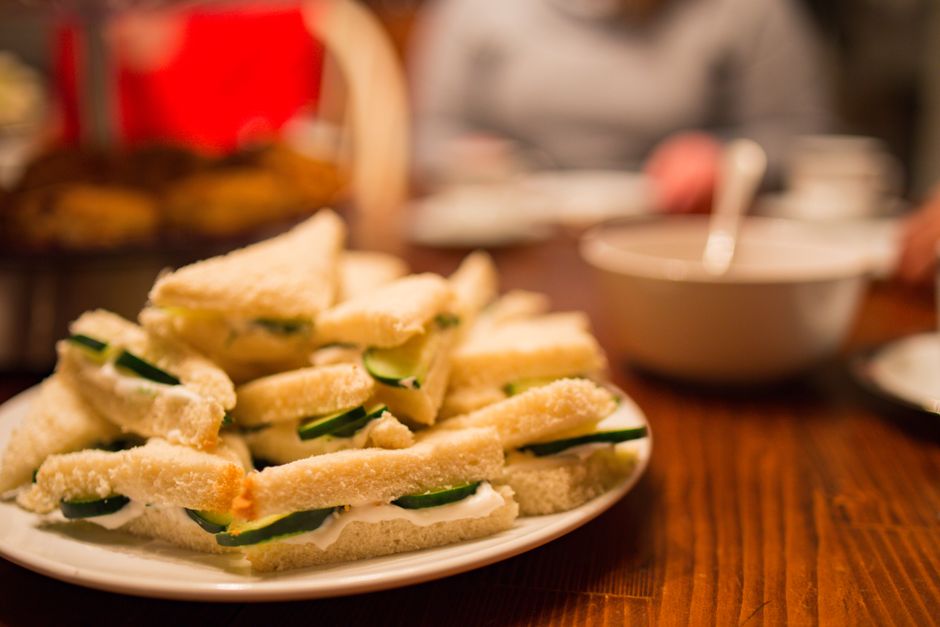
Plan afternoon tea for 3:00 pm to 5:00 pm around three courses: light finger sandwiches, warm scones with clotted cream and jam, and small sweets. For a relaxed home gathering, allow 3 to 4 sandwiches per guest, offer a few tea choices and a non-tea option, prepare fillings ahead, and assemble perishable food close to serving time.
What food is traditionally served at afternoon tea?
Traditional afternoon tea has three parts: savoury finger sandwiches, scones served with clotted cream and jam, and a final course of small pastries or cakes. The Ritz London describes it as a ritual held between 3:00 pm and 5:00 pm, built around tea, delicate sandwiches, scones, and pastries.
The structure matters because it prevents a familiar hosting problem: a table full of unrelated snacks that neither feels like a meal nor satisfies guests. Savouries provide the first substantial bite. Scones create the center of the occasion. Sweets finish the spread without needing a full dessert course.
| Course | What to include | Planning purpose |
|---|---|---|
| Savoury | Crustless finger sandwiches with fillings such as cucumber, smoked salmon and cream cheese, egg mayonnaise and cress, or coronation chicken | Gives the menu a light but substantial opening |
| Scone | Fresh scones with clotted cream and strawberry jam | Creates the traditional middle course |
| Sweet | Small cakes, miniature tarts, eclairs, macarons, or teacakes | Offers variety without turning the table into a large dessert buffet |
Corinthia London places savouries on the bottom tier and sweets on the top. At home, the stand is optional; the sequence is the useful part. Serve or arrange the food in that order so guests can build a plate without having to guess what comes next.
Tea is the anchor, but choice is part of good hosting. English Breakfast and Earl Grey cover familiar black-tea preferences, while mint, chamomile, or other herbal infusions give caffeine-free guests an option. If tea is not the right fit for everyone, coffee is acceptable, according to The Ritz London. A practical menu also avoids buying every possible variety. Choose a small, distinct set of options and make sure guests can identify them.
How many sandwiches and sweets should I make per person for afternoon tea?
For an at-home afternoon tea, make 3 to 4 sandwiches per person, then round out the spread with scones and a small selection of sweets rather than trying to estimate every pastry as a standalone serving. Portmeirion gives the 3-to-4-sandwich guideline; it is the most concrete portion benchmark in the available guidance.
Portion planning is a range, not a promise that every guest will eat identically. A light tea held in the traditional afternoon window can lean on the three-course format. If the gathering may replace a meal, the reliable adjustment is to add variety across the savoury, scone, and sweet courses. That is more useful than piling a large amount of one filling onto the table, because guests have different appetites and preferences.
Use this planning system:
- Set the occasion. Keep a mid-afternoon gathering light; plan a broader spread if it is likely to stand in for a meal.
- Start with the sandwich baseline. Plan 3 to 4 sandwiches per guest, with more than one filling so the table is not dependent on a single preference.
- Protect the middle course. Include scones with clotted cream and jam, since they are a defining part of the format rather than an optional extra.
- Keep sweets small and varied. Choose a modest mix of cakes, pastries, biscuits, or petits-fours so guests can finish with something they want.
This approach also supports a budget-minded menu. Repeating a few fillings across the sandwich course and choosing a restrained sweet selection reduces specialty ingredients without abandoning the occasion's structure. Food planning works much like choosing filling portable snacks that are safe to keep: variety is useful, but a clear plan prevents waste.
Can I prepare afternoon tea sandwiches the day before?
Yes, you can prepare afternoon tea food the day before when perishable ingredients stay properly refrigerated, but sandwich fillings should be made ahead and sandwiches assembled close to serving for the best texture. The USDA Food Safety and Inspection Service says preparing food the night before is fine when it is handled safely and chilled; it also advises adding mayonnaise, lettuce, or tomatoes later rather than freezing sandwiches containing them.
Texture and food safety are separate jobs. Texture is about avoiding soggy bread. Food safety is about limiting time in the 40 F to 140 F danger zone, where USDA says bacteria multiply rapidly. Treat both as non-negotiable parts of the schedule.
| When | Task | Why it works |
|---|---|---|
| The day before | Prepare sandwich fillings; make pastries or biscuits; organize tea and serving pieces | Good Food says fillings can be prepared ahead, while pastries and biscuits can be made the night before |
| On the day | Bake or reheat scones; assemble sandwiches close to guest arrival | Good Food recommends assembling sandwiches shortly before serving to avoid sogginess and says scones are best eaten on the day |
| During service | Put out small platters and replace them with chilled platters as needed | USDA advises replacing small platters rather than adding fresh food to food already on the table |
For a buffet-style table, keep cold perishable foods at 40 F or below and hot foods at 140 F or above. USDA says perishable food left at room temperature for more than 2 hours, or more than 1 hour above 90 F, should be discarded. That makes small batches a practical hosting technique, not fussy overplanning.
Good Food recommends making sandwich fillings in advance and assembling shortly before guests arrive. It also notes that scones can be frozen ahead and defrosted in a low oven. The useful division of labor is clear: do the chopping, mixing, baking, and table setup early; reserve the sandwich assembly and scone warming for the final stretch.
Frequently Asked Questions
What is the order for serving afternoon tea food?
Serve savoury finger sandwiches first, followed by warm scones with clotted cream and jam, then small cakes and pastries. Corinthia London describes the traditional tiered arrangement as savouries on the bottom and sweets on the top, which also gives guests a practical visual cue.
What drinks should I serve besides tea at an afternoon tea party?
Coffee is a suitable alternative for guests who do not want tea, while herbal infusions, iced tea in warm weather, and optional sparkling wine or Champagne can widen the choice. Offer drinks as alternatives rather than additions everyone must have, so the menu remains focused and the budget remains controlled.
How do I create an afternoon tea menu for guests with dietary restrictions?
Ask guests about dietary requirements before setting the menu, then assign each guest clear sandwich, scone, and sweet options that meet those needs. The Ritz London advises guests to specify requirements when booking and offers vegetarian and vegan afternoon tea, a useful model for planning separate choices rather than treating one substitute as an afterthought.
The final check is operational: confirm the time, label the drink choices, make the menu three-part, and keep perishable food chilled until it reaches the table. That small system produces an afternoon tea that feels considered without demanding an elaborate event plan.
Sources
- The Ritz London: Afternoon Tea Frequently Asked Questions
- Corinthia London: A Guide to British Afternoon Tea
- Portmeirion: How to Serve Afternoon Tea at Home
- USDA Food Safety and Inspection Service: Keeping Bag Lunches Safe
- USDA Food Safety and Inspection Service: Safe Handling of Take-Out Foods
- Good Food: How to Throw an Afternoon Tea Party