How Do I Perform Due Diligence Before Buying an Apartment Building?
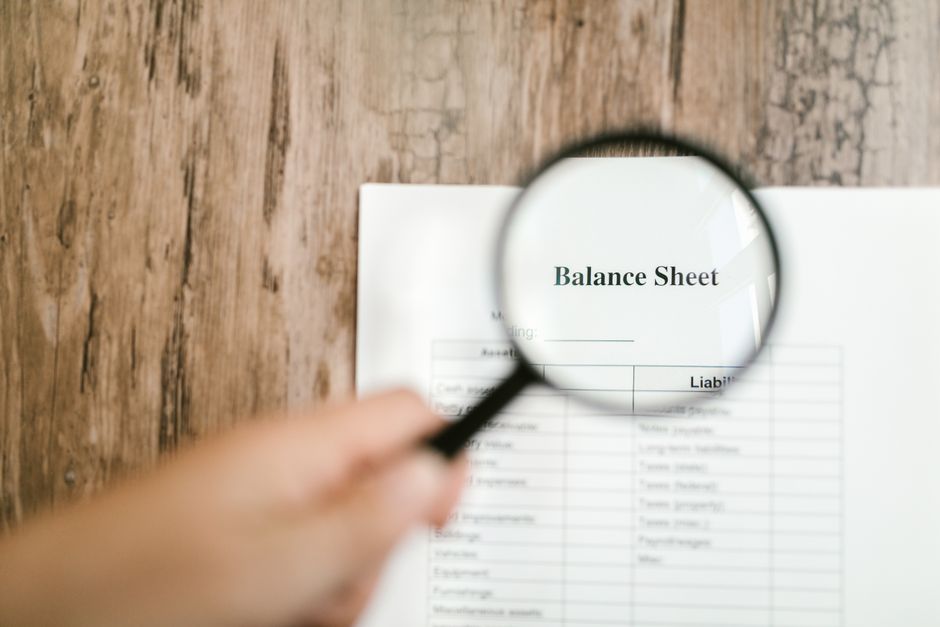
A sound apartment-building due-diligence process tests the seller's story against leases, deposit records, property inspections, capital-needs evidence, and legal or environmental records before closing. The useful distinction is between reported performance and verified performance: rent rolls describe a claim, while signed leases, bank deposits, and condition assessments reveal what the property can reasonably support.
Price is one number. Durable income and deferred cost are the other side of the decision. This is the same discipline behind comparing a headline price with total ownership costs in this guide to comparing Tesla prices without missing real costs: the visible figure matters, but the obligations behind it matter more.
What documents should I request before buying an apartment building?
Request the documents that let income, obligations, condition, and future costs be checked against each other rather than accepted separately. The document set is a system: each record either confirms another record or exposes a question that needs resolution.
- Income records: current rent roll, signed leases and amendments, vacancy and concession records, accounts-receivable or past-due-rent reports, cash ledger or receipts journal, and bank statements showing rent deposits.
- Operating records: trailing operating statements, invoices and contracts for management, utilities, repairs, and service providers, plus real-estate tax bills and insurance policies or renewal information.
- Condition records: prior inspections, repair logs, warranties, permits, service histories, and any property-condition or capital-needs reports.
- Risk records: zoning and occupancy information, notices or claims, environmental reports, environmental-lien search results, and records of any known contamination concerns.
The Fannie Mae Multifamily Guide, available in 2026, requires a thorough lease audit that reconciles the rent roll with signed leases before commitment. Its collection review also calls for a cash ledger, receipts journal, at least three months of bank statements confirming rent deposits, or comparable records, along with discussion of receivables or past-due-rent reports. That is a useful evidence standard because a rent roll alone cannot establish that listed rent is contractual or collected.
The IRS's 2025 Publication 527 names maintenance, insurance, taxes, interest, utilities, repairs, management fees, legal fees, and depreciation among common rental-property expense categories. Organizing records around those categories makes omissions easier to spot. An expense line without supporting bills, a contract, or a clear explanation is not a minor administrative gap; it is an unresolved assumption in the property's cash flow.
How do I verify that a rent roll matches actual income?
Verify income by reconciling the rent roll, signed lease terms, and deposited cash in a unit-by-unit review. A lease audit tests contractual rent; deposit evidence tests collection; receivable reports explain the difference between the two.
Start by matching the unit identifier, resident name, lease dates, stated rent, deposits, concessions, and amendments on the rent roll to the available signed lease. Then compare the expected rent from those records with the cash ledger and bank deposits. A mismatch may reflect a legitimate timing issue, an approved concession, an unpaid balance, a missing lease, or a rent-roll error. The records determine which explanation fits; a projected annual total does not.
| Property size | Fannie Mae minimum lease-review sample |
|---|---|
| Five to nine units | All available leases |
| Ten to one hundred units | The greater of five leases or ten percent |
| One hundred one to three hundred units | Ten percent |
| Three hundred one to nine hundred units | Forty leases |
| Nine hundred one or more units | Fifty leases |
These published sampling standards are a lender framework, not proof that a smaller review will answer every question in a particular transaction. If the records show unusual concessions, delinquency, inconsistent lease terms, or unexplained deposits, the sensible response is to expand the review until the discrepancy has an evidence-based explanation. Verification is not a ritual. It is the process of reducing the amount of income that exists only on paper.
Should I inspect every unit before buying a multifamily building?
Every unit does not necessarily need the same level of review, but the inspection scope needs to be broad enough to identify resident-safety, marketability, value, and capital-replacement issues. Fannie Mae's Multifamily Guide, available in 2026, requires a physical inspection and a property condition assessment for each property, with attention to conditions that affect those outcomes.
A practical walkthrough system separates visible unit issues from building-wide systems. Unit observations can reveal recurring leaks, damaged finishes, appliance failures, ventilation problems, and deferred turnover work. Common areas and exterior observations help place those findings in context, particularly when the same issue appears in multiple locations.
The building systems deserve their own track: roof, plumbing, electrical, heating and cooling equipment, drainage, and life-safety components. The question is not whether an item looks old. The question is what evidence exists about its condition, expected durability, repair history, and replacement timing.
HUD's March 2023 Capital Needs Assessment guidance describes a CNA as an assessment of physical elements, condition, expected durability, and projected capital repair and replacement costs using estimated useful-life calculations. That framework prevents a common mistake: treating a clean unit interior as evidence that the property has no significant future costs.
What are the biggest red flags in multifamily due diligence?
The biggest red flags are contradictions between records, unpriced physical deficiencies, and obligations that are missing from the operating story. None proves a deal is unsound on its own, but each changes what needs to be verified before a price can be evaluated responsibly.
- A rent roll that cannot be reconciled to signed leases, concessions, receivable records, and deposited rent.
- Operating expenses that omit, flatten, or cannot be supported by invoices, policies, bills, or contracts.
- Repair histories that point to recurring roof, plumbing, electrical, heating, cooling, drainage, or life-safety issues without a documented scope and cost path.
- A condition assessment that identifies near-term needs without a reserve plan for the resulting work.
- Environmental questions without the interviews, record review, visual inspection, risk assessment, and written professional report described by EPA.
- Unresolved tenant, zoning, insurance, tax, or legal records that could alter obligations after the transaction.
Environmental exposure merits particular care because it is not visible from a rent roll. The U.S. Environmental Protection Agency explains that All Appropriate Inquiries evaluates environmental conditions and potential contamination liability. EPA recognizes ASTM E1527-21 as consistent with the federal rule, and says that work supporting prospective-owner CERCLA liability protection must be conducted or updated within one year before acquisition; specified interviews, government-record reviews, site inspections, and environmental-lien searches must be conducted or updated within one hundred eighty days before acquisition.
Capital reserves are the other recurring blind spot. HUD's March 2023 guidance uses a twenty-year reserve-for-replacement estimate period and a minimum yearly reserve contribution equal to five percent of average annual reserve expenditure for the HUD context it describes. Those figures are not a universal private-market budget, but they illustrate the point: future replacements need a dated schedule and a funding approach. Fannie Mae's Multifamily Guide, available in 2026, similarly states that replacement reserves need to cover anticipated capital replacements and major maintenance, adjusted for inflation.
The closing file is not the finish line for due diligence. It is the record of what was established, what remains uncertain, and which future costs were recognized in the evaluation. A disciplined file separates documented income from projected income and identified capital needs from vague optimism.
Frequently Asked Questions
How do property taxes and insurance affect an apartment building deal?
Property taxes and insurance are recurring rental-property expense categories identified by the IRS in 2025, so they affect the cash flow left after income is collected. Fannie Mae's Multifamily Guide, available in 2026, also includes separate escrow requirements for real-estate taxes and insurance, underscoring that these costs need to be accounted for rather than treated as incidental.
Do I need a Phase I environmental assessment for an apartment building?
The answer depends on the property's history, location, lender requirements, and the liability protection being considered. EPA states that ASTM E1527-21 is consistent with the federal All Appropriate Inquiries rule, and prospective owners seeking CERCLA liability protection need qualifying inquiries conducted or updated within one year before acquisition.
What capital expenses should I budget for after closing?
The relevant budget is driven by the property's physical deficiencies, remaining useful life, and repair schedule, not by a generic allowance. HUD's March 2023 guidance describes a Capital Needs Assessment as a way to project future capital repairs and replacements using estimated useful-life calculations; Fannie Mae's Multifamily Guide, available in 2026, likewise calls for replacement reserves that cover anticipated major maintenance and capital replacements.
Sources
- Fannie Mae Multifamily Guide
- U.S. Environmental Protection Agency: Brownfields All Appropriate Inquiries
- U.S. Department of Housing and Urban Development: Capital Needs Assessment Guidance
- Internal Revenue Service: Publication 527
Disclaimer: This article is for general information only and is not financial advice. It does not take your personal circumstances into account, and past performance does not predict future results. Speak to a licensed financial professional before making money decisions.