What Is the Best Fruit to Eat in the Morning?
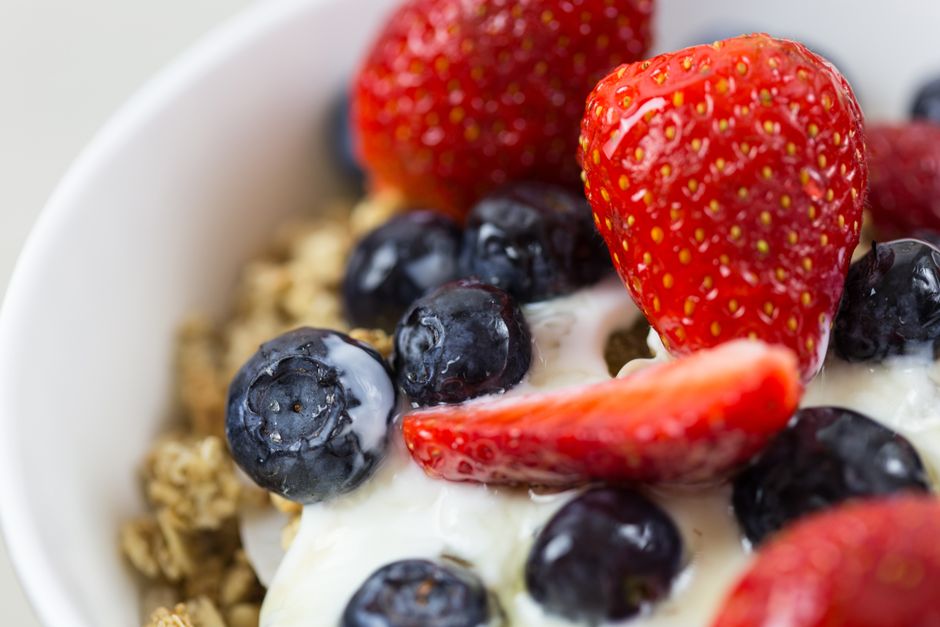
Fruit can be a beneficial morning food, especially whole fruit paired with a solid protein-rich breakfast. Choose raspberries, blackberries, or an apple with skin when fiber and fullness matter most; choose kiwifruit or grapefruit when potassium is the priority; and use low-FODMAP choices such as kiwi, orange, pineapple, cantaloupe, or blueberries if certain fruits trigger digestive symptoms.
The common claim is that fruit is either the perfect breakfast or a mistake before coffee. The truth is less dramatic and far more useful: whole fruit is a flexible ingredient, not a complete breakfast plan. Pick it according to the job you need it to do, then pair it well.
What is the best fruit to eat in the morning?
The best morning fruit is raspberries, blackberries, or an apple with skin when your main goal is more fiber; kiwifruit or grapefruit stands out when potassium is your priority. There is no universal winner because convenience, hunger, and digestion change the assignment.
The Dietary Guidelines for Americans fiber table lists 8.0 g of fiber in 1 cup of raspberries and 7.6 g in 1 cup of blackberries. A medium apple with skin supplies 4.8 g, compared with 3.6 g for 1 cup of blueberries, 3.0 g for 1 cup of strawberries, and 3.2 g for one banana. That makes berries and apples with skin the practical fiber-first choices, not because bananas are bad, but because the numbers point elsewhere.
| Breakfast goal | Useful fruit choice | What the listed portion provides |
|---|---|---|
| More fiber | Raspberries | 8.0 g fiber per cup |
| More fiber | Blackberries | 7.6 g fiber per cup |
| Portable fiber | Apple with skin | 4.8 g fiber per medium apple |
| Potassium | Kiwifruit | 562 mg potassium per cup |
| Potassium | Grapefruit | 415 mg potassium per fruit |
For potassium, the Dietary Guidelines potassium table lists 562 mg in 1 cup of kiwifruit and 415 mg in one grapefruit. The table identifies potassium as a dietary component of public health concern and uses 280 mg as the minimum contribution for its listed standard portions. Use that comparison to choose with purpose instead of buying a random fruit bowl that does not solve the morning problem in front of you.
Need speed? A banana is still a sensible portable choice. Need breakfast that carries you further? Build around the higher-fiber options and add a substantial food alongside them. For more fast morning meal ideas, see What Can I Eat for Breakfast When I Have No Time to Cook?.
Is it healthy to eat fruit on an empty stomach?
Yes, eating whole fruit on an empty stomach can be healthy for many people; the evidence does not show that fruit requires a special time of day to be beneficial. What matters more is whether it agrees with your digestion and whether fruit alone leaves you hungry soon afterward.
A systematic review in PubMed Central found that increased whole fresh-fruit consumption was unlikely to contribute to excess energy intake or adiposity and could modestly constrain them. In the single-meal trials it reviewed, whole fresh fruit generally reduced energy intake when eaten before a meal or substituted for more energy-dense foods. That supports whole fruit as compatible with appetite and weight goals, but it does not establish that morning is uniquely superior to every other time.
Skip the empty-stomach mythology. A person who feels well after an orange, berries, or a banana does not need to create a food rule around the clock. A person whose stomach reacts poorly should not force the issue because a wellness slogan said fruit was mandatory.
Digestive symptoms are the real exception worth respecting. The National Institute of Diabetes and Digestive and Kidney Diseases explains that gas can increase when certain carbohydrates are not fully digested until bacteria break them down in the large intestine. It names apples, peaches, pears, and fruit juices among foods that can contribute to gas for some people.
For IBS-type symptoms, Monash University explains that the main fruit FODMAPs are sorbitol and excess fructose. Its high- and low-FODMAP fruit guidance lists cantaloupe, kiwifruit, mandarin, orange, pineapple, and blueberries as lower-FODMAP alternatives. Apples, pears, mangoes, cherries, figs, watermelon, and dried fruit appear among the higher-excess-fructose options. Use that list as a starting point, not a diagnosis; NIDDK notes that a low-FODMAP diet for IBS should be tried under clinical guidance.
Which fruit keeps you full longest at breakfast?
Raspberries, blackberries, and apples with skin are the strongest fruit choices for fullness because they provide more fiber in the listed breakfast portions, but fruit does not keep most people full longest when eaten alone. The stronger move is a whole fruit plus a solid, protein-containing breakfast.
Harvard Health explains that whole fruit contains fiber and water, and that fiber slows the flow of sugars into the bloodstream. It also makes the practical point that the food beside the fruit changes the response: an apple with peanut butter, or an orange with almonds or cheese, adds protein and fat rather than leaving fruit to do all the work.
Here is the part people overlook: a smoothie-like, liquid-only breakfast is not automatically as satisfying as solid food. A review of breakfast research found that 66% of breakfast-versus-skipping comparisons reported lower post-meal hunger and 68% reported greater fullness after breakfast. The largest appetite and satiety responses came from solid breakfasts with at least 30 g protein and at least 350 kcal, not from a piece of fruit asked to carry the whole morning.
Use fruit as the fiber-and-flavor layer of breakfast. Pair berries with a solid protein food, put apple slices alongside peanut butter, or serve an orange with almonds or cheese. That is not an expensive upgrade or a complicated nutrition project; it is a direct answer to the problem of being hungry again before the morning is over.
Frequently Asked Questions
Should I pair fruit with protein or eat it by itself?
Pair fruit with protein when you need breakfast to hold you longer. Harvard Health notes that pairing fruit with foods containing fiber, protein, and fat slows digestion, while a breakfast review found stronger hunger and fullness responses from solid breakfasts with at least 30 g of protein and at least 350 kcal. Fruit by itself can still be a practical snack or a light breakfast component, but it is not guaranteed to be filling.
Is banana or apple better for breakfast?
An apple with skin is the stronger pick when fiber is the deciding factor: the Dietary Guidelines list 4.8 g for one medium apple versus 3.2 g for one banana. A banana remains a portable option, and Harvard Health identifies a 1/2-cup serving for denser fruits such as bananas. The better choice is the one that fits your hunger, convenience, and digestion needs.
What fruit is easiest on the stomach in the morning?
There is no single fruit that is easiest for every stomach. For people managing IBS-type symptoms, Monash University lists cantaloupe, kiwifruit, mandarin, orange, pineapple, and blueberries as low-FODMAP alternatives, while apples, pears, mangoes, cherries, figs, watermelon, and dried fruit can be high in excess fructose. Individual tolerance and serving size still matter, so use your own symptom pattern and clinical guidance where needed.
Start tomorrow with one clear decision: choose a high-fiber fruit if hunger is the issue, a low-FODMAP option if digestion is the issue, or a portable banana when time is the issue. Then add a solid protein-containing food if you need breakfast to last. That small sequence removes the guesswork without turning breakfast into a rulebook.
Sources
- Dietary Guidelines for Americans: Food Sources of Fiber
- Dietary Guidelines for Americans: Food Sources of Potassium
- National Institute of Diabetes and Digestive and Kidney Diseases: Eating, Diet, and Nutrition for Gas
- Monash University FODMAP: High and Low FODMAP Foods
- PubMed Central: Impact of Whole, Fresh Fruit Consumption on Energy Intake and Adiposity
- Harvard Health Publishing: Blood Sugar-Friendly Fruits