A Step-by-Step Guide: How to Launch Your Career as a Travel Photographer

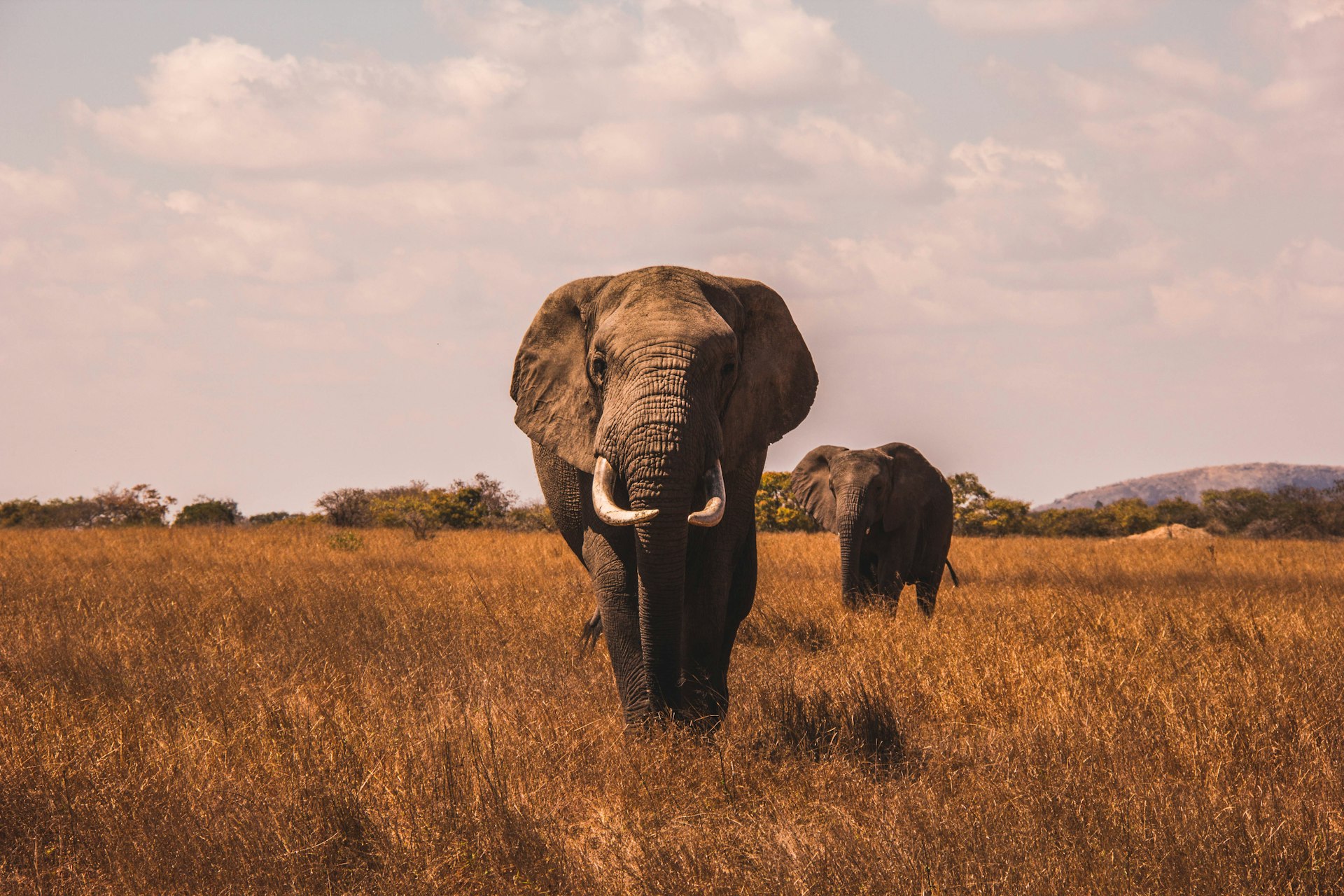
Photo by aaron laberinto on Unsplash
Introduction
Travel photography is a dynamic and rewarding field that combines a passion for storytelling, creative expression, and exploration. While breaking into the industry can seem daunting, anyone with dedication, vision, and practical guidance can start building their career. This guide delivers step-by-step instructions, real-world examples, and expert strategies to help you become a travel photographer and access the opportunities this exciting profession offers [1] [2] .
1. Clarify Your Goals and Motivations
Start by defining what you want from your travel photography journey. Ask yourself:

Photo by Daniel J. Schwarz on Unsplash
- Do you want a short-term adventure or a long-term career?
- Are you more passionate about travel or photography?
- What types of images inspire you-landscapes, people, cityscapes, or wildlife?
- Would you prefer freelancing, working for publications, or selling prints?
Clear goals will help you shape your business model and set realistic milestones. Many successful photographers revisit and adjust their objectives as they gain experience [1] .
2. Develop Your Photography Skills
Mastering the technical and artistic aspects of photography is essential. Consider these approaches:
- Enroll in Photography Courses: Online and in-person classes help you learn camera techniques, editing, and composition. Look for courses from experienced travel photographers or established platforms. Many are available for free or for a fee.
- Complete an Internship: Gaining experience alongside a professional travel photographer provides valuable insights into workflows and industry expectations.
- Practice Consistently: Regular shooting, experimenting with light, and editing will improve your craft. Document local scenes, events, or weekend trips to build practical skills [1] .
Consider exploring resources and workshops from professionals such as Jord Hammond, Lisa Michele Burns, or Laurence Norah, each offering specialized courses and mentoring [2] .
3. Choose and Refine Your Niche
Travel photography is broad, so specializing can help you stand out. Reflect on what excites you most-cultural festivals, landscapes, adventure sports, or food. Review your favorite images and focus your portfolio accordingly. A distinct style or subject matter can attract clients seeking your unique perspective [1] .
As your interests evolve, don’t be afraid to try new genres or blend styles. Many photographers start wide and specialize over time.
4. Build a Professional Portfolio
Your portfolio is your gateway to clients and publications. Initially, use high-quality photos from local trips or personal projects. Over time, include work from diverse locations and a variety of subjects.
Options for portfolios include:
- PDF booklets sent to prospective clients
- Online galleries on platforms like Format or Squarespace
- Your own professional website
Update your portfolio regularly with your best and latest work. Consider seeking feedback from mentors or online communities [4] .
5. Invest in the Right Equipment (Within Your Means)
Professional gear is important, but you don’t need the most expensive kit to start. Many travel photographers begin with entry-level cameras and gradually upgrade as their skills and budgets grow. A compact, lightweight setup is often preferable for travel. Essential items typically include:
- Camera body (DSLR or mirrorless)
- Versatile lens (e.g., 24-70mm)
- Backup memory cards and batteries
- Portable tripod
As you develop, consider investing in specialized lenses or accessories that support your niche (e.g., wide-angle for landscapes, telephoto for wildlife) [3] .
6. Create Opportunities and Plan Expeditions
Don’t wait for assignments to come your way. Proactively create your own travel photography opportunities:
- Plan “mini expeditions” in your local area or on personal trips
- Document journeys and share the stories behind your images
- Set achievable travel and shooting goals for each project
Sharing stories and behind-the-scenes insights can engage audiences and demonstrate your commitment to the craft [3] .
7. Market Yourself and Find Clients
Marketing is vital for building a sustainable travel photography business. Consider these strategies:
- Pitch to publications: Identify magazines, travel blogs, and online outlets that publish travel photography. Craft personalized pitches and showcase your portfolio. Publications such as National Geographic, Intrepid Travel, and Go World Travel have featured emerging photographers [2] .
- Leverage social media: Build a strong presence on platforms like Instagram, Facebook, and Pinterest. Engaging posts and storytelling can attract followers and potential clients.
- Sell your work online: Explore print sales, stock photo platforms, or direct commissions. Some photographers set up e-commerce on their websites or use reputable marketplaces.
Growing your online presence takes time and consistent effort. Many professionals supplement their income with blogging, workshops, or related services.
8. Continue Learning and Networking
Remaining current and connected is crucial in a competitive field. Keep learning through:
- Online courses from respected photographers or education sites
- Workshops and portfolio reviews (in-person or virtual)
- Active participation in photography communities, forums, or associations
Networking with writers, editors, and other creatives can open doors to collaborations and assignments [2] .
Alternative Pathways and Challenges
There is no single path to success. Some photographers self-fund trips and build a following gradually, while others focus on freelancing, content sales, or editorial assignments. The field is competitive, and publication budgets may be limited, but persistence and adaptability are key.
Potential challenges include high travel costs, variable income, and the need for business acumen. Solutions include:
- Starting with local or regional travel to reduce expenses
- Building a side business in related areas (e.g., workshops, digital products)
- Partnering with tourism boards or brands for sponsored content (always disclose partnerships transparently)
Be patient and flexible-many successful travel photographers spent years developing their craft and network before achieving recognition.
How to Access Opportunities and Resources
If you are ready to get started, you can:
- Research photography programs at local community colleges or online education providers
- Search for “travel photography workshops” or “online travel photography courses” for the latest offerings from established professionals
- Reach out to local tourism boards, travel publications, or photography organizations for potential assignments or collaborations
- Build your network through social media platforms and by attending industry events
When contacting potential clients, publications, or mentors, include a concise introduction, a link to your portfolio, and a clear description of your skills and interests. Persistence and professionalism are essential to opening doors in this competitive field.