Crafting Journeys That Fit Your Unique Rhythm: The Art of Tailored Travel Experiences

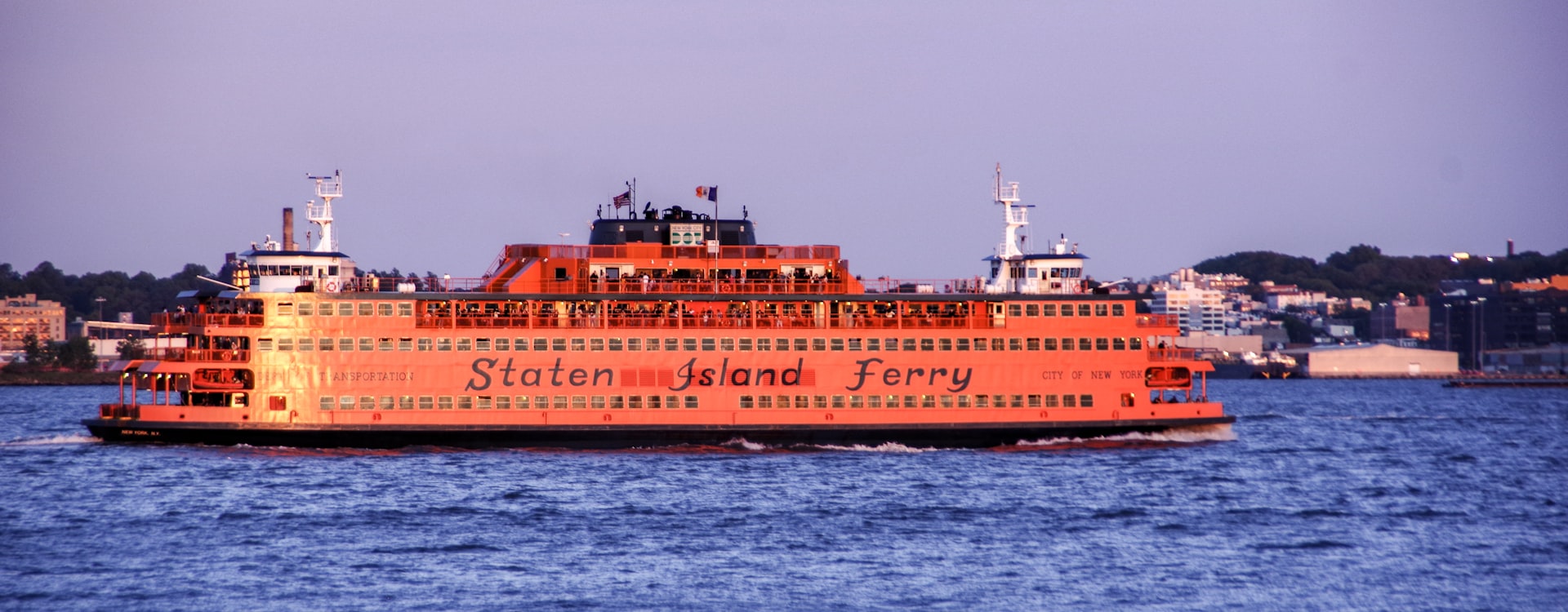
Photo by Francesca Tirico on Unsplash
Travel is deeply personal. What feels like a dream getaway for one person might feel overwhelming or underwhelming for another. For years, travelers relied on pre-packaged tours or generic online itineraries that checked off popular landmarks but often missed the little details that make a trip feel special-like a family-run café where locals gather for breakfast, a hidden hiking trail with panoramic views, or a workshop where you can learn a traditional craft from a local artisan.
Understanding Your Travel DNA
The first step to creating a journey that resonates is to identify what matters most to you. Are you the type of traveler who wants to fill each day with activities, or do you prefer to take things slow, allowing time to wander and discover? Do you prioritize trying new foods, or are you more focused on outdoor adventures? Are you traveling solo, with a partner, family, or a group of friends, and how does that dynamic shape your needs?
For example, a solo traveler interested in cultural immersion might prioritize stays in homestays or small boutique hotels where they can interact with the owners and other guests, while a family with young children might need more flexible schedules, kid-friendly attractions like zoos or interactive museums, and accommodations with extra space for naps and downtime. A couple celebrating an anniversary might seek intimate, romantic experiences, like a private wine tasting in a vineyard or a sunset cruise along the coast, whereas a group of friends might look for lively nightlife, group activities like white-water rafting or escape rooms, and budget-friendly options that allow them to spend more time together.
Balancing Structure and Spontaneity
One of the biggest challenges in curating a personalized trip is finding the right balance between having a plan and leaving room for spontaneity. Too much structure can make a trip feel rigid and stressful, while too little planning can lead to missed opportunities or last-minute chaos.
A good approach is to outline the key experiences you don’t want to miss-like a museum exhibit, a concert, or a special meal-and build your itinerary around those. Then, leave gaps in your schedule for unexpected discoveries. For instance, if you’re visiting a small town, you might plan to visit a historic landmark in the morning, then leave the afternoon free to wander through local markets, chat with shop owners, or follow a recommendation from a local to a hidden park.
Technology can help with this balance. Apps like Google Maps or Citymapper can help you navigate to your planned destinations, while platforms like Meetup or Eventbrite can alert you to local events happening during your stay. Local guide apps, which often include recommendations from residents, can help you make spontaneous plans without the stress of researching on the fly. However, it’s also important to disconnect from time to time and let your curiosity lead the way. Sometimes the best experiences come from getting lost in a neighborhood, striking up a conversation with a local, or following a path that looks interesting, even if it’s not on your itinerary.
Incorporating Local Authenticity
Generic itineraries often focus on tourist traps, but personalized travel is about connecting with the local culture. This means seeking out experiences that are meaningful to the community, not just popular with visitors.
For example, instead of taking a bus tour of a city, consider walking with a local guide who can share stories about the neighborhood’s history and point out hidden gems. Instead of eating at a chain restaurant, try a street food stall or a family-owned eatery where the menu features traditional dishes passed down through generations. You might also want to participate in a local event, like a farmers’ market, a festival, or a community workshop, to get a deeper understanding of the place you’re visiting.
Another way to incorporate authenticity is to support local businesses. Buying souvenirs from local artisans, staying in small, locally owned accommodations, and using local transportation can not only enhance your travel experience but also contribute to the local economy. Many small businesses rely on tourist dollars to stay afloat, so choosing to spend your money with them is a way to give back to the community that’s hosting you.

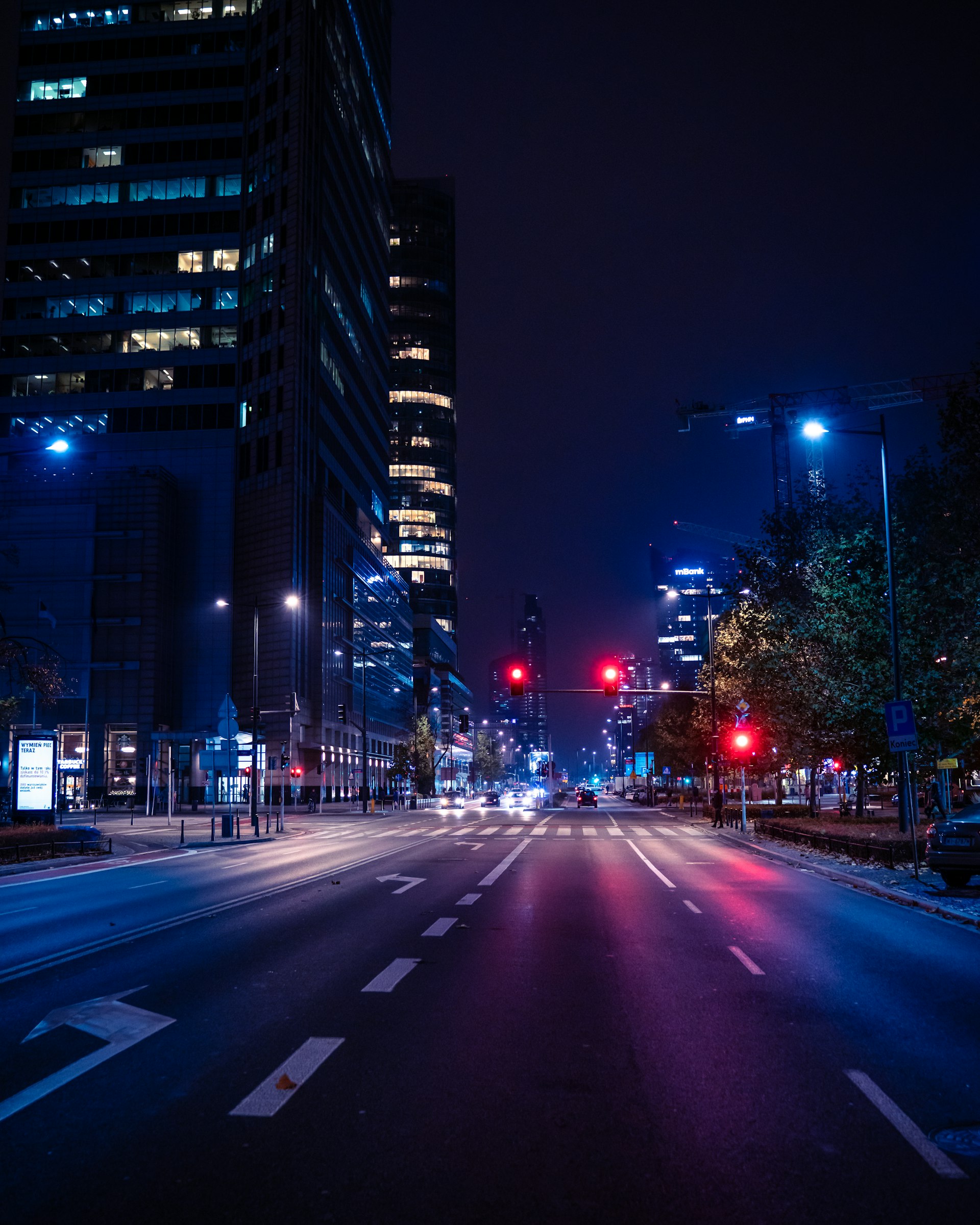
Photo by John Matychuk on Unsplash
Adapting to Changing Needs
Even the best-laid plans can change. Maybe you wake up feeling tired and want to skip an early morning activity, or you meet a local who invites you to a family gathering. Personalized travel means being flexible and willing to adjust your itinerary as needed.
It’s also important to consider your physical and emotional needs throughout your trip. If you’re traveling to a new time zone, allow yourself a day to adjust to the jet lag. If you’re visiting a place with a hot climate, plan your outdoor activities for the cooler parts of the day and take breaks to rest and hydrate. And if you’re feeling overwhelmed, don’t be afraid to take a day off to relax by the pool or read a book in a quiet café.
Travel is not just about visiting new places-it’s about creating experiences that reflect who you are. By taking the time to curate a trip that aligns with your preferences, values, and needs, you can turn a simple vacation into a transformative experience that stays with you long after you return home. Whether you’re planning a short weekend getaway or a long-term adventure, the key is to focus on what makes travel meaningful to you, and let that guide every decision you make.