Crafting Narrative Depth in Your Travel Visuals: Beyond Snapshots to Stories

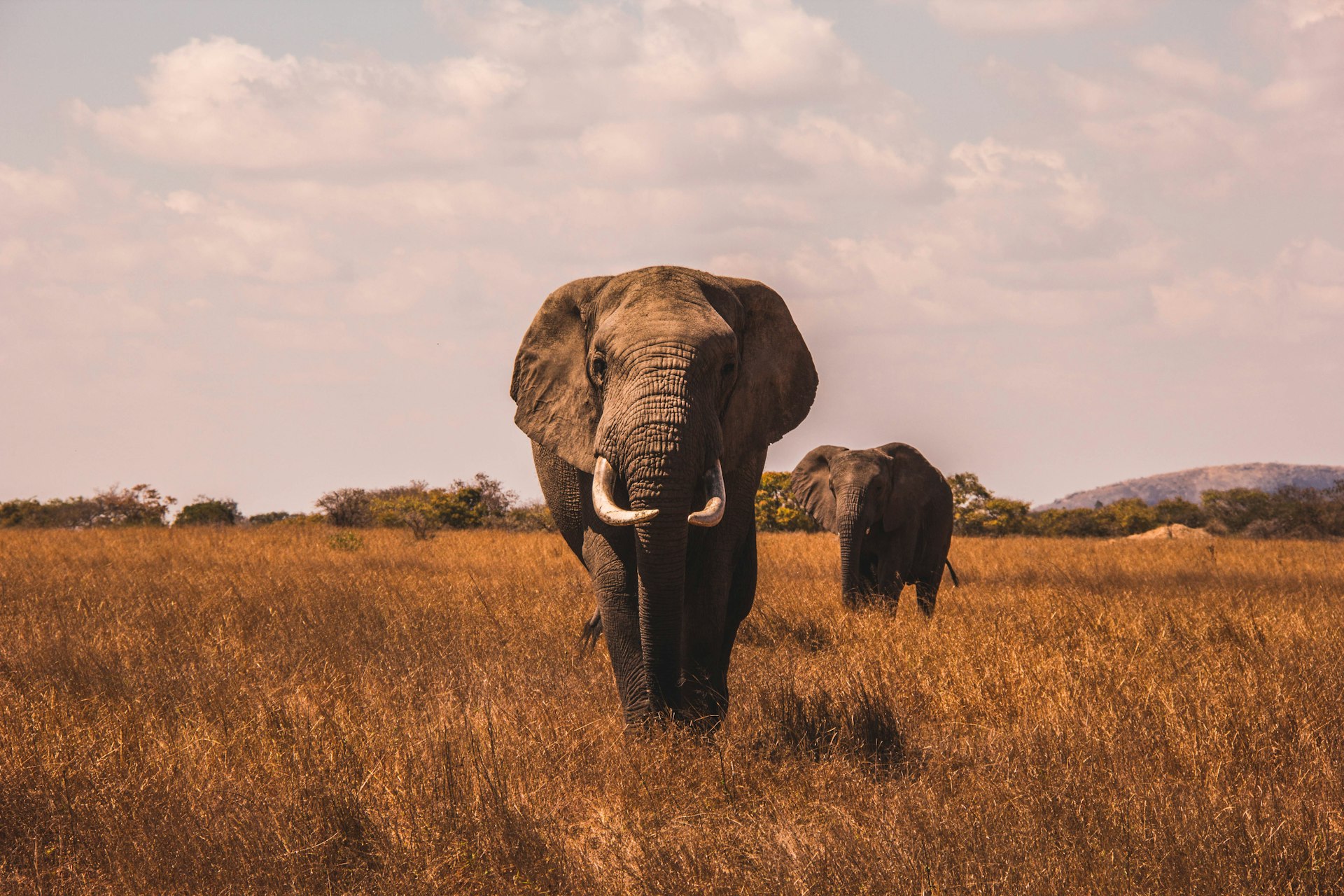
Photo by Dariusz Sankowski on Unsplash
Finding Your Narrative Core
Before raising your camera, take a moment to ask yourself: what story do I want to tell about this place? Is it the quiet resilience of a coastal community adapting to changing tides, the vibrant chaos of a weekend market where generations gather to trade, or the quiet solitude of a mountain trek that taught you something new about yourself? This core theme will guide every shot you take, turning random snapshots into intentional pieces of a larger story. For example, if your narrative is about a small coffee-growing town in Colombia, your core might focus on the journey of a bean from farm to cup. This theme will lead you to capture the farmer tending to plants at sunrise, the workers sorting beans in a cooperative, the barista pulling espresso at a local café, and the customers savoring their drinks-each shot building on the last to tell a complete tale.
Sequencing Shots for a Cohesive Arc
Every good story has a beginning, middle, and end, and your travel photo series should follow the same structure. Start with an establishing shot: a wide-angle view of the landscape, town square, or market that sets the scene and gives viewers a sense of place. This shot answers the question, “Where am I?” Next, move into the middle of your story with detail shots and action moments. These could be close-ups of a craftsman’s hands carving wood, a group of children playing in a street, or a local vendor arranging fresh flowers. These shots add depth and texture, drawing viewers into the heart of the narrative. Finally, end with a closing shot that wraps up the story-maybe a sunset over the town, a group of locals sharing a meal, or a quiet moment that reflects the emotion of your journey. This shot should leave viewers with a lasting impression, tying together all the elements of your story.
Using Visual Motifs to Tie Your Story Together
A visual motif is a repeating element that appears throughout your photo series, creating a sense of continuity and cohesion. This could be a specific color (like the terracotta roofs of a Mediterranean village), an object (like a woven basket used by local vendors), or a symbol (like a religious icon that appears in different contexts). For example, if you’re documenting a festival in India, you might use the color saffron as a motif-capturing it in the robes of monks, the petals of flowers used in rituals, and the fabric of traditional clothing. Each time the motif appears, it reinforces your core narrative and reminds viewers of the story’s central theme. To identify a motif, pay attention to the elements that catch your eye repeatedly as you explore a place; these are often the threads that will tie your story together.
Capturing Human Connection to Add Emotion
Travel stories are often as much about people as they are about places. Candid shots of local residents going about their daily lives can add a powerful emotional layer to your narrative. Instead of asking for posed photos, take the time to observe and wait for natural moments: a grandmother teaching her granddaughter to make tortillas, a fisherman mending his nets at dusk, or a group of friends laughing over a shared meal. These moments feel authentic and allow viewers to connect with the people in your photos on a personal level. When capturing these shots, remember to be respectful-always ask for permission if you’re taking a close-up of someone’s face, and avoid intruding on private moments. By prioritizing respect, you’ll not only get better photos but also build meaningful connections with the people you meet.
Incorporating Context to Deepen Understanding
To tell a complete story, you need to provide context that helps viewers understand the place and its culture. This could include shots of historical landmarks, traditional architecture, or local customs. For example, if you’re documenting a village in Japan, you might capture a shot of a Shinto shrine to show the community’s spiritual beliefs, a photo of a rice paddy to highlight their agricultural traditions, and a shot of a tea ceremony to illustrate their focus on mindfulness. These context shots help viewers see how the different elements of your story fit together and give them a deeper understanding of the place you’re documenting. When taking context shots, think about the questions viewers might have about the place, and use your photos to answer those questions without needing to add text.
Editing for Flow and Narrative Impact
Once you’ve captured all your shots, the next step is to curate and edit them to maintain the story’s flow. Start by sorting your photos into categories based on your narrative core-for example, if your story is about a coffee farm, you might sort shots into “Planting and Harvesting,” “Processing,” and “Serving.” Then, select the best shots from each category that align with your story arc. When arranging the photos, think about the rhythm of the story: alternate between wide shots and close-ups to keep viewers engaged, and use your visual motif to transition between different sections of the story. Avoid over-editing your photos; keep them as natural as possible to maintain the authenticity of your narrative. Remember, the goal of editing is to enhance the story, not to distract from it.

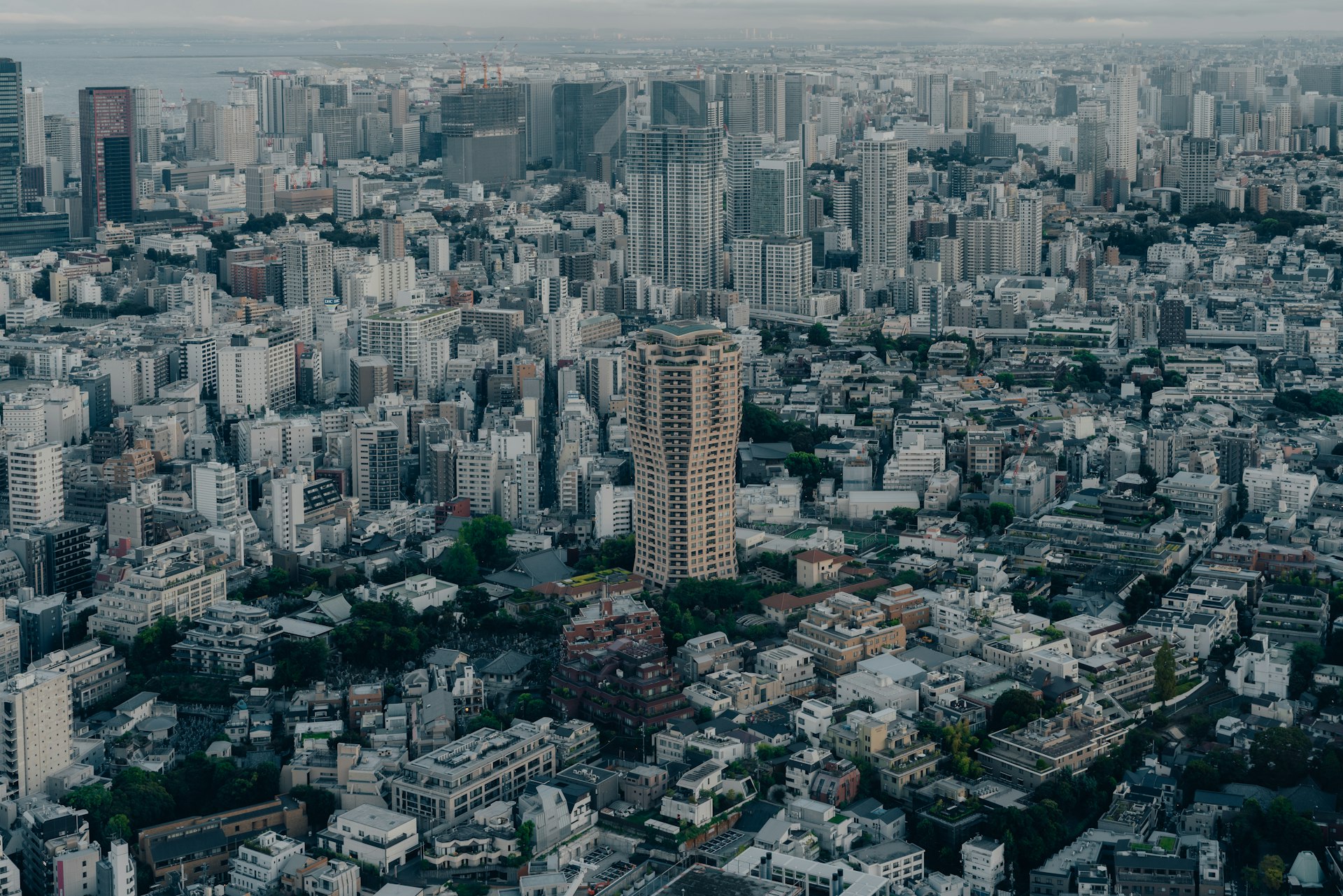
Photo by Shubh karman Singh on Unsplash
By focusing on these elements, you can transform your travel photos from a collection of images into a compelling narrative that resonates with viewers. Whether you’re sharing your story on social media, in a photo book, or with friends and family, these techniques will help you share your travel experiences in a way that feels authentic, meaningful, and memorable. As you practice these skills, you’ll find that you not only become a better photographer but also a more thoughtful traveler, connecting more deeply with the places and people you encounter on your journeys.