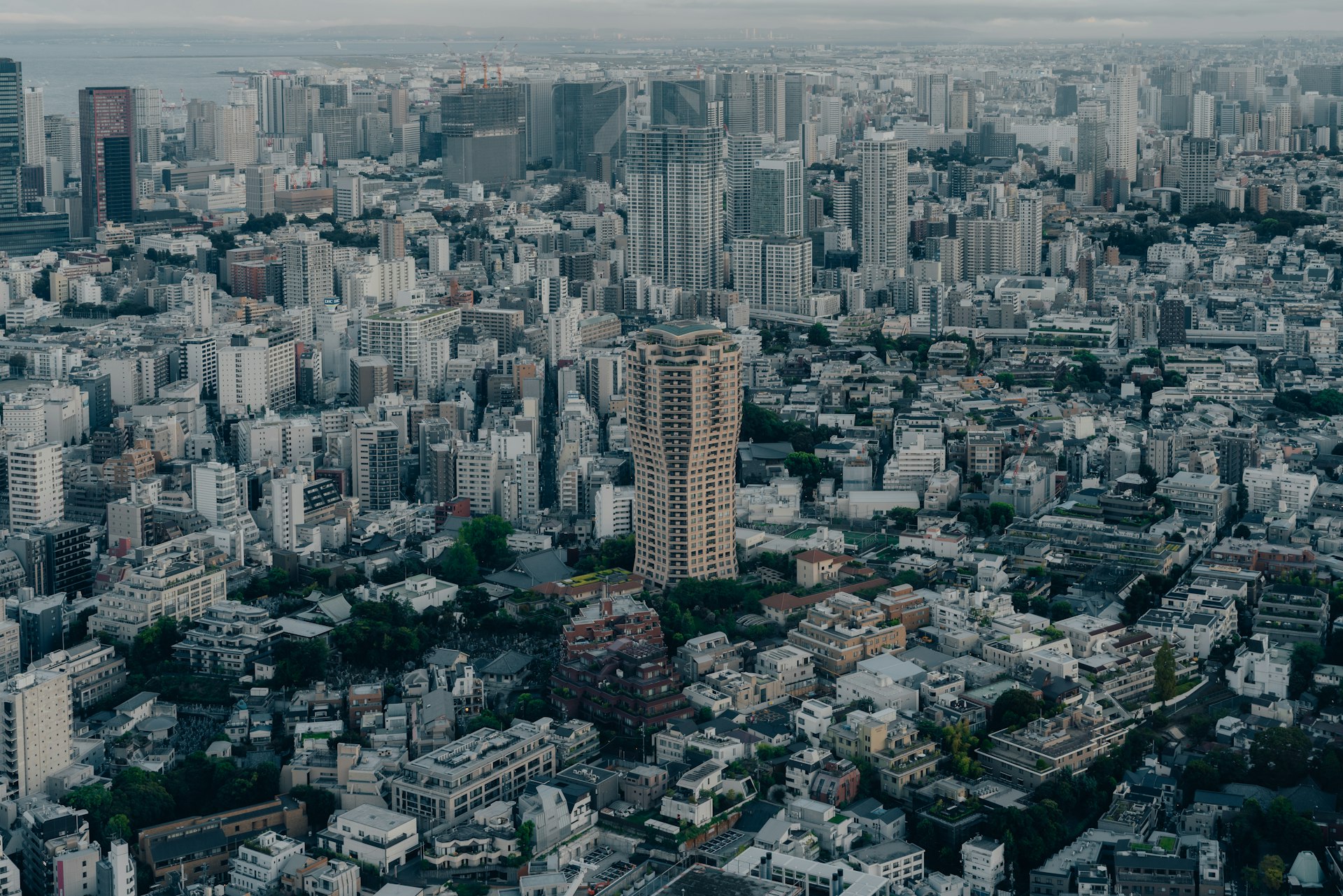
Dark Tourism and Historical Remembrance Sites: Exploring Tragedy and Memory

Photo by Sam Szuchan on Unsplash
Understanding Dark Tourism
Dark tourism involves travel to places historically linked to death, tragedy, suffering, or disaster. These sites attract visitors seeking to confront the macabre aspects of history, reflect on human resilience, and remember past events. Also known as thanatourism, morbid tourism, black tourism, or grief tourism, it encompasses a broad range of experiences from concentration camps to disaster zones. [1] [2] The practice dates back centuries, with examples like crowds watching public hangings in 16th-century London or spectators at the Battle of Waterloo. Today, it has expanded to include haunted locations, urban legends, and sites of natural or man-made catastrophes.
The appeal lies in a fascination with mortality and historical narratives. Visitors often report gaining deeper empathy, educational insights, and a sense of connection to global events. Studies show growing popularity, driven by media like Netflix’s “Dark Tourist” series and increased access via tour operators. However, it raises ethical questions about commodifying tragedy versus preserving memory. [7]
Historical Remembrance Sites as Pillars of Dark Tourism
Historical remembrance sites form the core of dark tourism, serving as memorials to atrocities, wars, and genocides. These locations educate visitors on the consequences of human actions, promoting peace and preventing repetition. For instance, Auschwitz-Birkenau in Poland, a former Nazi concentration camp, draws millions annually to honor Holocaust victims. Tours provide guided narratives on the site’s horrors, emphasizing survivor stories and lessons in humanity. [1] Similarly, the Hiroshima Peace Memorial Park in Japan commemorates the atomic bombing, with museums detailing the event’s impact and advocating for nuclear disarmament.
These sites blend remembrance with tourism infrastructure, including exhibits, plaques, and visitor centers. They often feature identity cards matching visitors to real victims, as at the U.S. Holocaust Memorial Museum in Washington, D.C., creating immersive, personal experiences. Challenges include balancing education with commercialization; some sell souvenirs that risk trivializing events, while others prioritize solemnity. To visit responsibly, research ahead, choose reputable guides, and reflect quietly without selfies or disruptions. [7]
Popular Dark Tourism Destinations
Key examples span continents and eras. Chernobyl in Ukraine, site of the 1986 nuclear disaster, offers guided exclusion zone tours highlighting radiation effects and abandonment. Ground Zero in New York, now the 9/11 Memorial & Museum, features reflecting pools and artifacts from the attacks, fostering national remembrance. In Cambodia, the Tuol Sleng Genocide Museum, a former prison under the Khmer Rouge, displays victim photos and torture cells. [1] [9]
Europe boasts sites like the Paris Catacombs, housing millions of skeletons, and Culloden Battlefield in Scotland, marking a bloody 1746 clan clash. In the UK, Highgate Cemetery and York, dubbed the ‘city of 1,000 ghosts,’ blend history with hauntings. Asia features the Nanjing Massacre Memorial Hall in China, detailing World War II atrocities. Prisons like Shrewsbury Prison in England offer tours of execution sites and cells, evoking past suffering. [5] Each site provides unique insights: Pompeii preserves volcanic destruction, while Pablo Escobar-related spots in Colombia explore narco-violence.
Ethical Considerations in Dark Tourism
Debates center on respect versus exploitation. Critics argue sites like Auschwitz risk ‘kitschyfication’ through merchandise, while supporters note tourism funds preservation and local economies. Two tourist types emerge: schadenfreude seekers enjoying misfortune from luxury bases, and thanatopsis visitors contemplating life’s fragility reverently. Ethical travel involves supporting non-profit operators, avoiding peak crowds, and prioritizing education over spectacle. [3] [7]
Potential issues include cultural insensitivity, as in Bali’s commodified funerals or India’s poverty slums. Solutions: follow site rules, donate to memorials, and engage locals thoughtfully. Recent trends post-COVID and amid climate disasters highlight balancing access with sustainability.
Planning Your Dark Tourism Journey
To plan effectively, start with research using terms like ‘dark tourism sites’ or specific locations. Book through established operators for safety, especially in zones like Chernobyl requiring permits. Prepare mentally: read histories, watch documentaries. Practical steps include checking visa needs, health advisories, and packing respectfully-no flashy attire. Budget for entry fees (e.g., Auschwitz around €20) and guided tours (€50+). Alternatives: virtual tours for inaccessible sites or local museums. [2]

Photo by Renaldo Kodra on Unsplash
Combine visits: pair Auschwitz with nearby Krakow for context. Track via apps or journals for reflection. Post-visit, share stories educationally to amplify remembrance. Challenges like emotional toll can be mitigated by group travel or counseling resources.
Broader Impacts and Future Trends
Dark tourism boosts economies-Auschwitz sustains regional jobs-while educating globally. Rising interest, per tour data post-Chernobyl series, suggests growth. Future sites may include climate disaster zones, urging adaptive ethics. It fosters empathy, countering denialism on events like genocides.
In summary, dark tourism and historical remembrance sites offer profound journeys into humanity’s shadows, blending education, reflection, and tribute. Approach with respect for transformative experiences.
References
[1] Wikipedia: Dark Tourism (2023). Overview and examples of dark tourism sites. [2] The Morbid Tourist: Dark Tourism (n.d.). Definitions and categories of morbid travel. [3] Tourism Tiger: What Is Dark Tourism (n.d.). Ethical discussions and examples. [4] The Week: What is Dark Tourism (n.d.). History and popular sites. [5] Shrewsbury Prison: What is Dark Tourism (n.d.). Prison sites and appeal. [6] Medieval Torture Museum: Dark Tourism Destinations (n.d.). Meaning and attractions. [7] IU News: Rise of Dark Tourism (n.d.). Tourist types and management issues. [8] Dark-Tourism.com: What is Dark Tourism (n.d.). General connections to death sites. [9] Travelling Dane: 20 Dark Tourism Sites (2024). List from Pompeii to Ground Zero.