Exploring Compact, Mobile Living Spaces for Wanderers

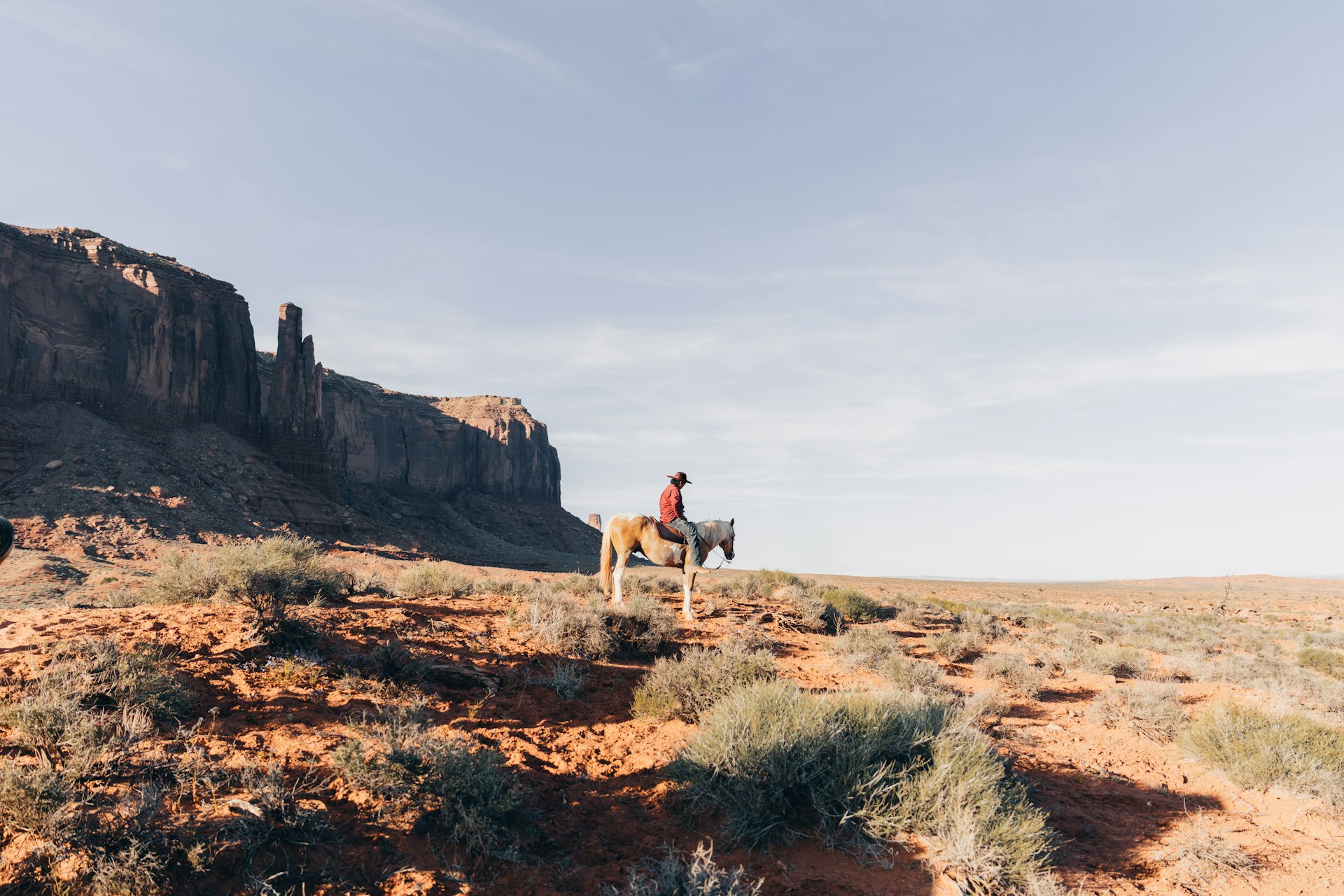
Photo by Jed Owen on Unsplash
Over the past decade, the concept of living small has evolved from a niche lifestyle choice to a mainstream movement, with a growing segment focusing on mobile tiny homes designed specifically for travel. These compact dwellings offer a unique blend of freedom and comfort, allowing travelers to explore new destinations without sacrificing the familiar touches of home. Unlike traditional RVs, which often prioritize utility over coziness, mobile tiny homes are crafted with intentional design elements that make them feel like personal sanctuaries on wheels.
The Rise of Mobile Tiny Homes for Travel
According to the Tiny House Industry Association, the number of mobile tiny homes registered for cross-country travel has increased by 30% since 2018. This growth can be attributed to several factors, including rising housing costs that have made permanent residence unaffordable for many, a cultural shift toward minimalism and experiential living, and a desire for greater flexibility in travel plans. For many, a mobile tiny home is not just a place to sleep-it’s a way of life that allows them to wake up to mountain views one day and coastal sunsets the next, all while keeping their personal belongings and daily routines intact.
Mobile tiny homes also appeal to travelers who want to reduce their carbon footprint. Many models are equipped with solar panels, composting toilets, and water-saving fixtures, making them more environmentally friendly than staying in hotels, which often have high energy and water consumption rates. This aligns with the growing trend of sustainable travel, where travelers seek out options that minimize their impact on the places they visit.
Key Design Features That Enhance Travel Comfort
One of the most important aspects of a travel-focused tiny home is its space-saving design. Fold-out furniture is a common feature, with beds that can be tucked away during the day to create more living space, and dining tables that fold into the wall when not in use. Many tiny homes also have built-in storage solutions, such as under-floor compartments for outdoor gear, overhead cabinets for clothing, and hidden shelves for kitchen utensils. These features ensure that travelers can bring all their essentials without cluttering the living space.
Efficient kitchenettes are another key design element. Most travel tiny homes have compact stoves, refrigerators, and sinks that are designed to maximize functionality in a small space. Some even have foldable countertops that expand when needed for meal preparation. Additionally, many models include a small bathroom with a shower and toilet, eliminating the need to rely on campground facilities. This level of independence is a major draw for travelers who want to explore remote areas where amenities are limited.
Off-grid capabilities are also a priority for many tiny house travelers. Solar panels provide electricity for lighting, appliances, and charging devices, while rainwater collection systems can be used for washing dishes and bathing. These features allow travelers to stay in remote locations for extended periods, without having to worry about access to utilities.

Photo by Darrien Staton on Unsplash
Practical Considerations for Traveling with a Tiny House
Before embarking on a trip with a mobile tiny home, there are several practical considerations to keep in mind. First, towing requirements vary depending on the size and weight of the tiny home. Some smaller models can be pulled by a standard SUV, while larger ones require a heavy-duty truck. It’s important to ensure that the towing vehicle is properly equipped and that the driver has the necessary skills to maneuver a large trailer.
Parking regulations are another important factor. Different states and countries have different rules about overnight parking, and many campgrounds have specific requirements for tiny homes. Some areas allow overnight parking in rest stops or Walmart parking lots, while others require travelers to stay in designated campgrounds. It’s important to research local regulations before traveling to avoid fines or other issues.
Maintenance is also a key consideration. Mobile tiny homes require regular checks on tires, brakes, and electrical systems to ensure that they are safe to travel with. Additionally, plumbing systems need to be inspected regularly to prevent leaks, and solar panels need to be cleaned to maintain efficiency. Many tiny house owners join online forums or local groups to share tips on maintenance and troubleshooting.
Community and Connection in Tiny House Travel Circles
One of the unexpected benefits of traveling with a tiny home is the sense of community that comes with it. Tiny house owners often gather at rallies and meetups, where they share stories, exchange tips, and showcase their homes. These events provide an opportunity to connect with other like-minded travelers and learn from their experiences.
Additionally, living in a tiny home often encourages more interactions with locals. People are often curious about the compact dwelling and will strike up conversations with travelers, leading to new friendships and cultural exchanges. This sense of connection is a major draw for many travelers, who want to experience the local culture rather than just being a tourist.
As the tiny house movement continues to grow, more and more travelers are turning to mobile tiny homes as a way to explore the world. These compact dwellings offer a unique blend of freedom, comfort, and sustainability, making them an ideal choice for wanderers who want to live intentionally and connect deeply with the places they visit. Whether you’re a seasoned traveler or just starting out, a mobile tiny home can provide a new and exciting way to experience the world.