Savoring the Journey: Unhurried Explorations That Deepen Connection to Places and Cultures

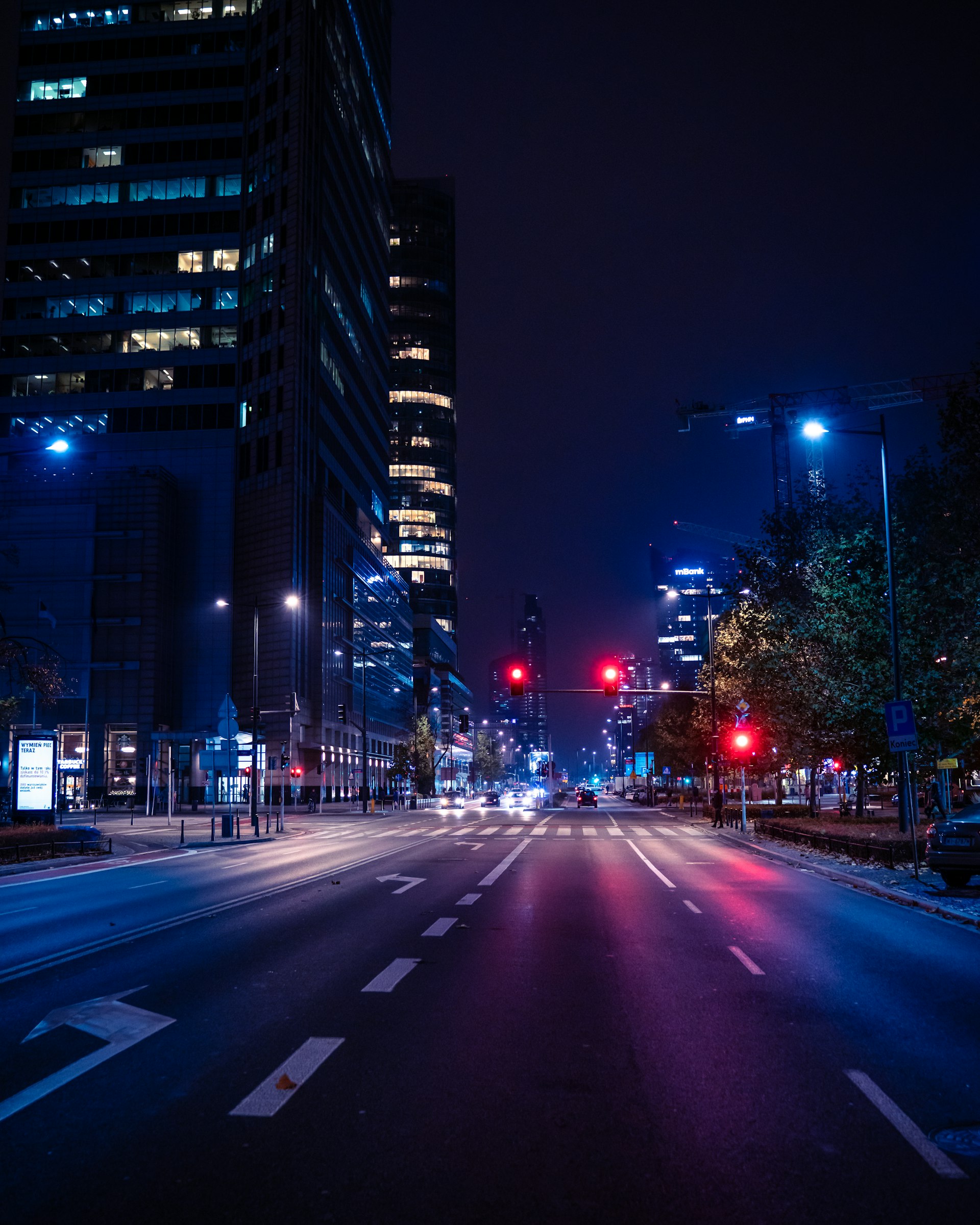
Photo by Jonah Brown on Unsplash
For decades, travel has been framed as a race to tick off landmarks, cover as much ground as possible in a short time, and capture the perfect social media photo. But a growing number of travelers are rejecting this model, choosing instead to embrace a style of exploration that values depth over distance, presence over productivity. This approach isn’t about opulence in the traditional sense-though it can include thoughtful, high-quality accommodations and experiences-it’s about intentionality, taking the time to truly connect with a place and its people.
The Philosophy Behind Unhurried Travel
At its core, this style of travel is rooted in the idea that a destination is more than a collection of tourist spots. It’s a living, breathing ecosystem of stories, traditions, and daily rhythms. When travelers slow down, they open themselves up to moments that might otherwise pass unnoticed: a local elder sharing a story over a cup of tea in a village square, the way sunlight filters through ancient oak trees in a rural park, the subtle changes in a coastal landscape as the tide rolls in and out.
This philosophy also aligns with a broader cultural shift toward mindfulness and sustainability. By staying longer in one place, travelers reduce their carbon footprint from frequent transportation, and they often contribute more meaningfully to local economies by supporting small businesses, artisans, and family-owned restaurants. Instead of spending a day hopping between three cities, they might spend a week in a single town, learning about its history from a local guide, taking a cooking class with a resident chef, or volunteering at a community garden.
Cultural Immersion Through Slow Engagements
One of the most rewarding aspects of unhurried travel is the opportunity to engage with local communities in meaningful ways. For example, in a small town in Tuscany, travelers might spend a few days working alongside local farmers, harvesting olives or making cheese. This hands-on experience not only teaches them about the region’s agricultural traditions but also creates lasting bonds with the people who call the area home.
Similarly, in a coastal village in Japan, travelers might participate in a traditional fishing expedition with local fishermen, learning how to cast a net and prepare fresh catch over an open fire. These interactions go beyond the superficial exchanges of typical tourist encounters; they allow travelers to see the world through the eyes of others, gaining a deeper understanding of different cultures and ways of life.
Natural Exploration at a Gentle Pace
Unhurried travel also lends itself beautifully to exploring natural landscapes. Instead of rushing through a national park to see all the major viewpoints in a day, travelers might hike a short trail each morning, stopping to observe wildlife, listen to the sounds of the forest, or simply sit and enjoy the view. In places like the Scottish Highlands, this could mean spending a few days camping in a remote glen, waking up to the sound of bagpipes from a nearby village, and taking leisurely walks along loch shores.
In tropical destinations like Costa Rica, travelers might spend a week at a small eco-lodge, participating in guided nature walks to spot exotic birds, learning about reforestation efforts, and swimming in hidden waterfalls. This slow approach to natural exploration not only allows travelers to appreciate the beauty of the environment but also fosters a sense of stewardship, encouraging them to protect these precious places for future generations.
Culinary Journeys That Linger
Food is an integral part of any travel experience, and unhurried travel allows travelers to savor every bite. Instead of grabbing a quick meal at a fast-food chain or a tourist-friendly restaurant, they might spend an afternoon at a local market, sampling fresh produce and talking to vendors about their ingredients. In Mexico City, this could mean taking a cooking class that focuses on traditional mole recipes, learning to grind spices by hand and simmer the sauce for hours.

Photo by Pietro De Grandi on Unsplash
In France, travelers might spend a day at a vineyard in Bordeaux, touring the cellars with a winemaker, learning about the process of wine production, and enjoying a leisurely lunch paired with local wines. These culinary experiences aren’t just about eating-they’re about understanding the history and culture behind the food, and the people who have perfected these recipes over generations.
As travelers continue to seek more meaningful and fulfilling experiences, the appeal of unhurried exploration shows no signs of fading. This style of travel offers a chance to escape the chaos of daily life, connect with the world in a deeper way, and create memories that will last a lifetime. Whether it’s a week in a small village, a month-long journey through a remote region, or a slow road trip across a country, these journeys remind us that the best parts of travel aren’t the destinations we reach, but the moments we share along the way.