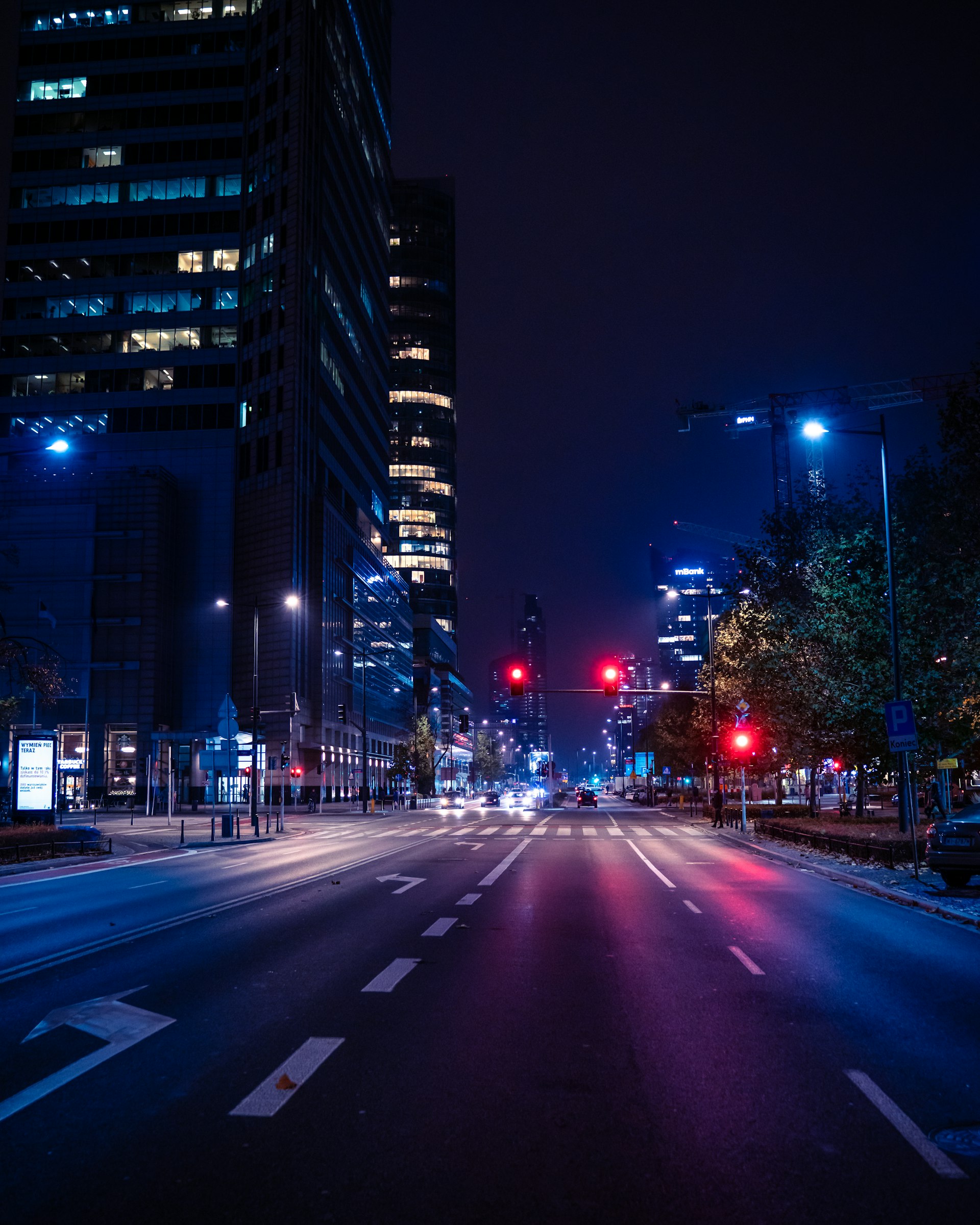
Ultimate Guide to Urban Cycling Travel Experiences: Explore Cities on Two Wheels

Photo by Jacob Granneman on Unsplash
Introduction to Urban Cycling Travel Experiences
Urban cycling travel offers a unique way to immerse yourself in city life, combining physical activity with cultural discovery. Riders cover more ground than walkers, access hidden neighborhoods, and enjoy spontaneous stops at intriguing sights. This mode of travel is environmentally friendly and flexible, ideal for exploring dense urban environments like European capitals. [1] Cities such as London, Paris, and Leuven exemplify bike-friendly infrastructure with dedicated lanes and easy parking, making them perfect for first-time urban cyclists. Whether joining guided tours or venturing solo, these experiences foster a deeper connection to local rhythms and landmarks.
Recent trends highlight cycling tourism’s growth, with routes blending natural beauty, history, and cuisine. For instance, Germany’s extensive networks attract enthusiasts seeking scenic, well-signposted paths suitable for various skill levels. [2] Urban cycling differs from sport riding, focusing on short distances in built-up areas for commuting or sightseeing, often using shared paths or bike-share systems. [3] This guide covers planning, gear, safety, and real-world examples to help you craft rewarding trips.
Planning Your Urban Cycling Routes
Effective route planning is crucial for safe and enjoyable urban cycling travel. Begin by researching city-specific cycling maps via apps like Komoot, Google Maps, or Citymapper, which highlight bike lanes, low-traffic streets, and scenic paths. In Paris, riverside trails along the Seine provide traffic-free views, while London’s Regent’s Park offers quiet cycles through green spaces. [1] For broader European adventures, consider top routes like Germany’s Havel Cycle Route, a flat path from Ankershagen to the Elbe confluence through Brandenburg’s lakes and forests, ideal for mixed-skill groups. [2]
Step-by-step planning includes identifying landmarks and creating logical loops to avoid backtracking. Download offline maps, check weather, and note bike parking spots. In Leuven, compact centers with cyclist traffic lights simplify navigation. Challenges like unfamiliar traffic can arise; counter this by reviewing local cycling forums or apps for real-time updates. Alternatives include guided tours from operators like Outfitter Tours, which handle logistics for regions like Tuscany or Asheville, allowing focus on riding and local eats. [4] A case study from a self-guided Asheville tour shows how flexible planning led to personalized dining recommendations and seamless logistics.
Expand to multi-city trips using networks like the Berlin Wall Trail, a 160 km paved loop through Berlin’s history with info panels at memorials. This route suits urban explorers interested in cultural depth, combining city bustle with peripheral parks. Key takeaway: Prioritize bike-friendly cities and apps for efficient, immersive routing that enhances travel experiences.
Essential Gear and Bike Selection for City Riding
Proper gear ensures comfort and safety in urban settings. Start with a well-fitted helmet-rentals are common, but personal ones offer better security. Opt for bright, reflective clothing for visibility amid buses and trucks. Basic maintenance tools, lights, and locks are must-haves; many cities provide bike-share programs with built-in locks via apps requiring smartphone access. [3] For longer tours, pack weather-resistant layers, as European cities like London experience sudden changes. [1]
Select bikes suited to urban terrain: hybrids or city bikes with puncture-resistant tires handle cobblestones and potholes better than road racers. Resources like REI’s urban biking guide recommend accessories like panniers for sightseeing luggage. [8] In practice, Liverpool’s urban tours emphasize sturdy rentals for tourism, blending sustainability with accessibility. Potential issues include luggage limits; solutions involve lightweight packing or hotel baggage forwarding. Examples from bikepacking sites like TomsBikeTrip provide field-tested packing lists for extended urban legs. [7]
Step-by-step gear prep: Assess trip length, test equipment pre-departure, and inspect rentals for functionality. This preparation transforms casual rides into confident explorations, as seen in solo Leuven trips where easy rentals enabled stress-free discovery.
Safety and Local Etiquette in Urban Cycling
Safety hinges on understanding local rules and etiquette. In left-side driving cities like London, stick to the flow, make eye contact at junctions, and avoid blind spots near large vehicles. Paris’s expanded lanes encourage cycling, but vigilance remains key. Wikivoyage notes shared paths in places like Hong Kong require pedestrian awareness. [3] Follow signage, yield appropriately, and use bells judiciously.
Common challenges include aggressive traffic; mitigate by choosing protected lanes and riding defensively. Instructables’ urban guide offers tips like quick maneuvers and visibility tricks for fast city navigation. [9] Real-world application: Berlin Wall Trail riders benefit from dedicated paths, reducing urban hazards while educating on history. Step-by-step safety routine: Scan ahead, signal turns, hydrate frequently, and take breaks. Alternatives for novices include group tours ensuring guided pacing and support.
Liverpool Cycle Tours highlight safety in urban tourism, promoting helmets and reflective gear for sustainable, secure experiences. [6] Mastering these practices unlocks joyful, incident-free adventures.
Top Destinations and Real-World Experiences
Europe leads in urban cycling with routes like Germany’s Mainradweg, passing UNESCO sites in Bamberg and Würzburg for history and food lovers. The Oder-Spree-Tour loops through Brandenburg’s canals and lakes, offering Bett+Bike accommodations. [2] Switzerland’s Aare Cycle Route descends from alpine passes to gorges, blending nature and towns. The Netherlands’ Waterline Route from Amsterdam to Breda weaves forts and canals.
Case study: A Paris-Leuven itinerary via rental bikes allowed flexible stops at cafes and parks, covering more than walking while feeling immersed. [1] U.S. options like Asheville self-guided tours provide similar vibes with trail logistics handled professionally. [4] Challenges like theft are addressed via secure parking; alternatives include e-bike rentals for hills.
Beyond Europe, urban tracks in Singapore offer car-free suburb links. Otso Cycles’ guide stresses route strategies for global travel. [5] These destinations deliver flexible, memory-making trips.
Bike-Share Systems and Accessibility
Bike-share schemes simplify urban travel, with app-based rentals for short rides across towns. Registration covers multiple bikes for groups, with variable pricing shown in-app. [3] In student-heavy Leuven, systems with locks enhance ease. Steps: Download app, register, scan for unlock, ride, and park at stations.
Pros include no transport needs; cons like availability require backups like personal rentals. This accessibility boosts spontaneous urban exploration, aligning with tourism guides emphasizing integration. [6]
Sustainability and Future of Urban Cycling Travel
Urban cycling promotes eco-tourism, reducing emissions while supporting local economies. Cities invest in infrastructure, as in Paris’s lane expansions. Future trends point to more integrated routes, per 2025 cycling lists. [2] Riders contribute by choosing shares and respecting paths.
References
[1] Eat Cook Explore (n.d.). Stress-Free Urban Cycling: Essential Tips for Exploring Bike-Friendly European Cities. [2] Cycling Thread (2025). The Best of Cycling Tourism: Top 21 Cycle Routes to Explore 2025. [3] Wikivoyage (n.d.). Urban Cycling Travel Guide. [4] Outfitter Tours (n.d.). Bike Tours in France, Italy & the USA. [5] Otso Journal (2025). A Guide to Bicycle Travel. [6] Liverpool Cycle Tours (n.d.). Complete Guide to Cycling in Urban Tourism. [7] TomsBikeTrip.com (n.d.). Cycle Touring & Bikepacking Field Notes & Advice. [8] REI (n.d.). Urban Bicycling: The Basics of City Riding. [9] Instructables (n.d.). Killerjackalope’s Guide to Urban Cycling.

Photo by Aditya Enggar Perdana on Unsplash