Uncovering Authentic Local Flavors Through Immersive Agricultural Journeys

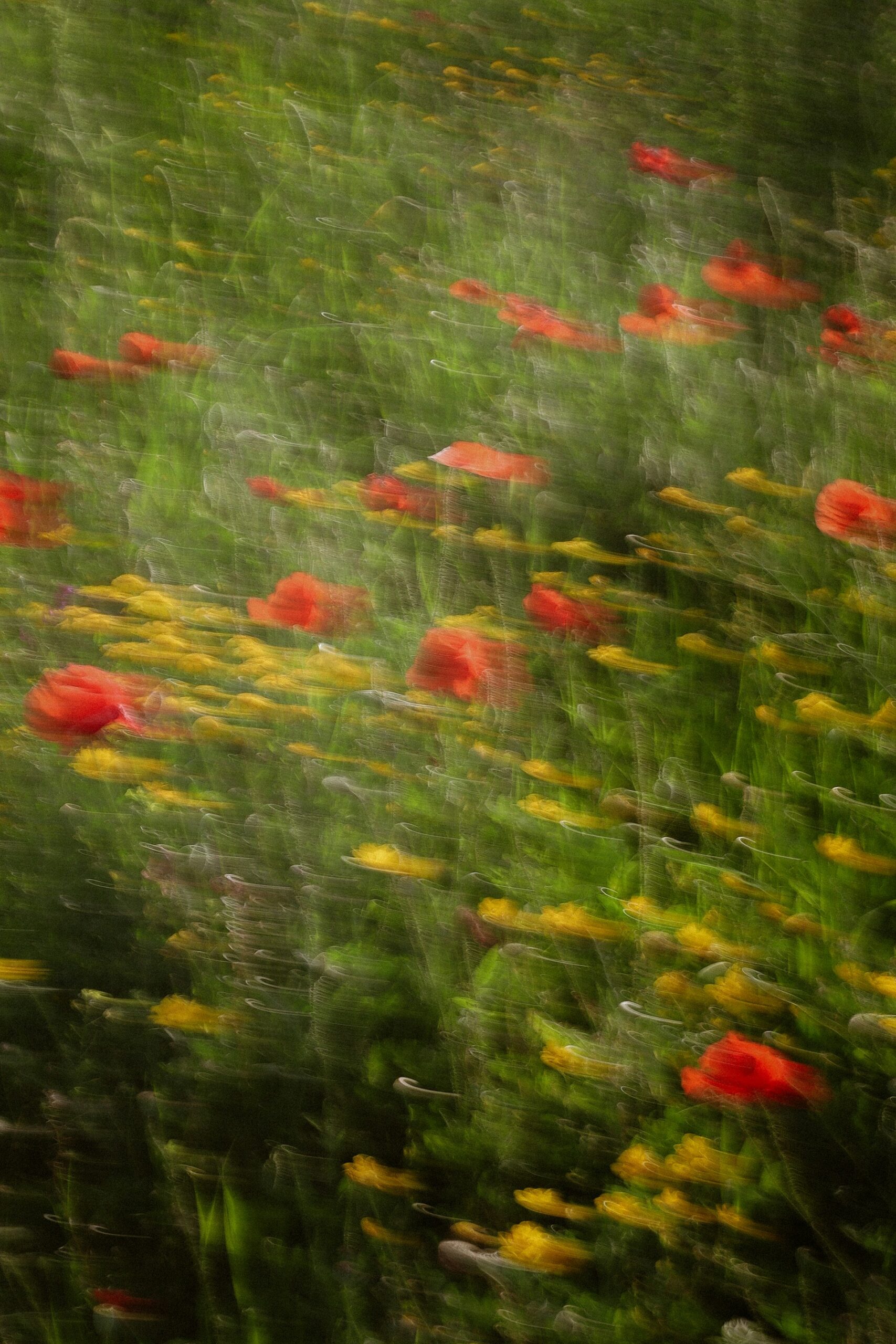
Photo by Eunsong Jo on Unsplash
Connecting with the Source: The Heart of Agricultural Travel
Travelers seeking more than just a meal often find themselves drawn to experiences that link them directly to the land and the people who nurture it. These journeys take them from bustling city restaurants to quiet family farms, where they can witness the entire process of food production-from planting seeds to harvesting crops to preparing dishes that reflect the region’s unique terroir. Unlike standard culinary tours, these experiences prioritize connection over consumption, allowing visitors to build relationships with the farmers, herders, and artisans who are the backbone of local food systems.
Hands-On Agricultural Activities
Many agricultural travel experiences include hands-on tasks that let participants get their hands dirty and engage with the land in meaningful ways. For example, in Tuscany, visitors might join local farmers in picking sun-ripened tomatoes during the summer months, then help make fresh pasta and sauce using the day’s harvest, learning techniques passed down through generations. In northern Thailand, travelers can learn to plant rice in flooded paddies using traditional wooden tools, then enjoy a meal of sticky rice and curries made with herbs and vegetables harvested that morning from the farm’s garden.
These activities aren’t just about completing a task; they’re about learning the stories behind the food. Farmers often share anecdotes about their families’ long history of farming, the challenges they face with changing weather patterns and market pressures, and the creative ways they’re adapting to keep their practices sustainable. This insight gives travelers a new appreciation for the effort and care that goes into every bite of food they eat, fostering a greater sense of respect for the land and the people who tend it.
Regional Variations in Agricultural Travel
Agricultural travel experiences vary widely depending on the region’s climate, soil, and cultural traditions. In the Pacific Northwest of the United States, travelers can visit organic berry farms in Oregon’s Willamette Valley, where they can pick blueberries and raspberries before enjoying a picnic with local cheeses, honey, and freshly baked bread. In New Zealand’s Marlborough region, visitors can tour biodynamic vineyards and olive groves, then sample award-winning wines and extra-virgin olive oils paired with dishes made from nearby farm produce, including lamb raised on local pastures and greens grown in the region’s fertile soil.
In Latin America, countries like Mexico offer farm stays where guests can learn about traditional maize farming and participate in making tortillas from scratch using stone-ground corn. In Peru’s Andes Mountains, travelers can visit quinoa farms, learning about the crop’s ancient history as a staple of the Inca diet and how it’s still grown using traditional techniques that prioritize soil health and biodiversity. Many of these farms also offer cooking classes where visitors can learn to make quinoa-based dishes like quinoa salad with roasted vegetables and quinoa soup with local herbs.
Sustainable Impacts of Agricultural Travel
One of the key benefits of agricultural travel is its focus on sustainability. Many of the farms involved in these experiences use organic or regenerative farming practices, which help to preserve soil health, reduce water usage, and minimize the use of harmful pesticides and fertilizers. By supporting these farms, travelers are contributing to the local economy and helping to protect the environment for future generations.
Additionally, agricultural travel often reduces the carbon footprint associated with food transportation. Since ingredients are sourced locally, they don’t have to travel long distances to reach the plate, which cuts down on greenhouse gas emissions and helps to combat climate change. This makes these experiences a more eco-friendly choice for travelers who are concerned about their impact on the planet and want to make more sustainable choices during their trips.
Cultural Exchange Through Food
Agricultural travel is not just about food; it’s also about cultural exchange. When visitors spend time with local farmers and artisans, they learn about the traditions and values that shape a region’s relationship with food. For example, in Japan, many small-scale farms follow the principles of “shokunin,” which emphasizes craftsmanship, attention to detail, and respect for ingredients. Travelers who visit these farms can learn about this philosophy and how it influences everything from the way crops are grown to the way meals are prepared and served.
In India, farm stays often include cooking classes where visitors learn to make traditional dishes using spices and herbs grown on the farm. These classes are not just about following a recipe; they’re about understanding the cultural significance of each ingredient and how it’s used in Indian cuisine to create balanced and flavorful meals. This kind of exchange helps to break down barriers between different cultures and fosters a greater sense of global community and understanding.
Planning Your Own Agricultural Journey
When planning an agricultural travel experience, there are several things to consider to ensure a meaningful and authentic trip. First, research the region you’re visiting to find farms and producers that offer visitor programs. Many small-scale farms have websites or social media pages that list their activities and booking information, and local tourism boards can also provide recommendations for reputable experiences.
It’s also important to consider the timing of your trip, as many farm activities are seasonal. For example, if you want to pick apples, you’ll need to visit in the fall, while strawberry picking is typically in the spring or summer. Additionally, be open to trying new things and stepping outside your comfort zone. Whether it’s eating a vegetable you’ve never heard of or helping to milk a cow, these moments will make your trip unforgettable and give you a deeper connection to the region and its people.

Photo by Priscilla Du Preez 🇨🇦 on Unsplash