Uncovering Quiet Wonders: Deepening Connections Through Intentional Outdoor Journeys

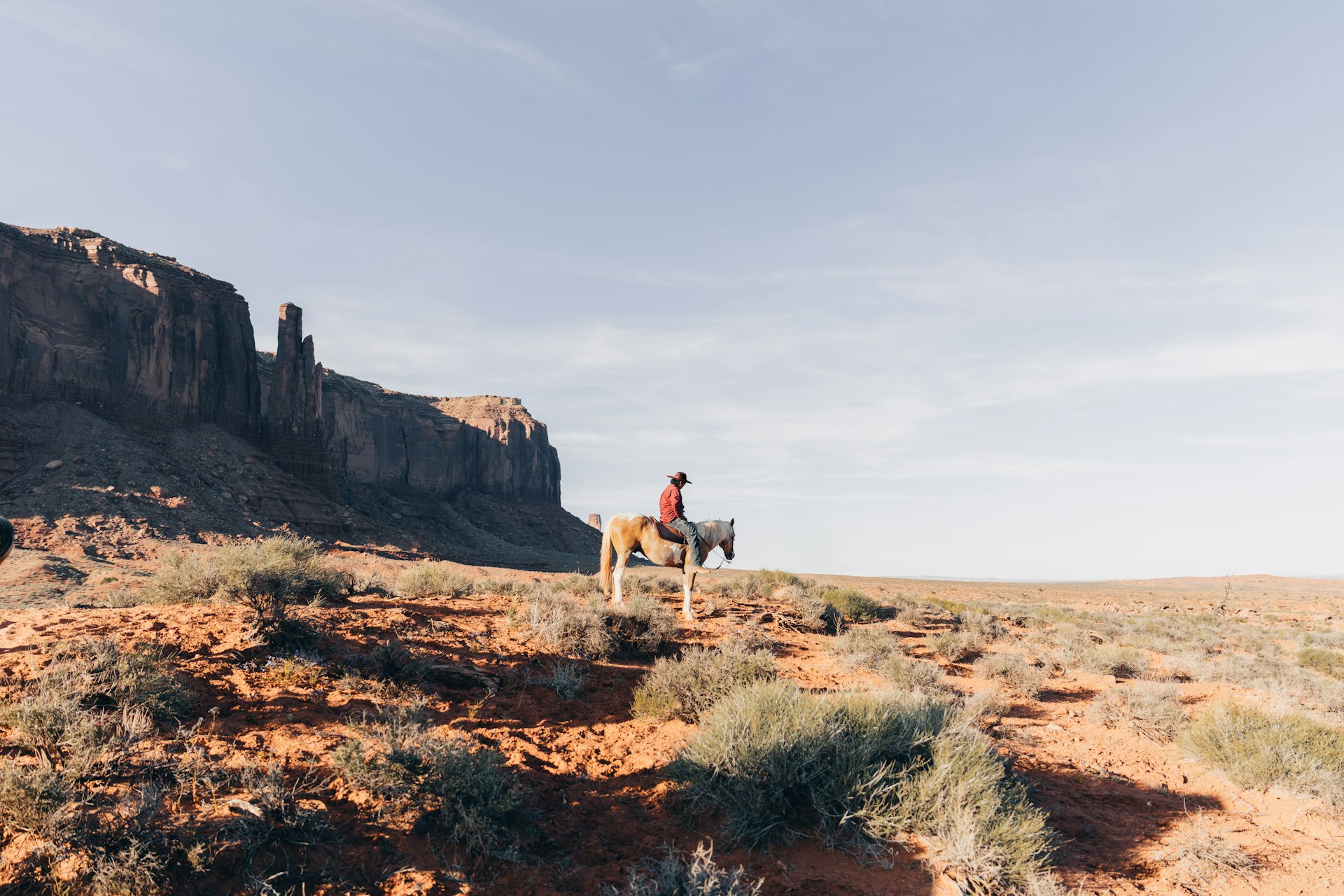
Photo by George Bakos on Unsplash
The Art of Slow Exploration
When planning a journey focused on deep connection with the natural world, the first shift is moving away from itineraries packed with destinations. Instead, it’s about selecting a single area and spending multiple days there, allowing time to acclimate to the rhythm of the land. For instance, a week in the Olympic National Forest’s Hoh Rainforest might start with a gentle 2-mile loop trail on the first day, stopping every 10 minutes to listen for the call of the northern spotted owl, a threatened species that makes its home in the old-growth trees. On the second day, a guided walk with a local naturalist could explain how the mosses and ferns in the forest retain moisture, creating a unique microclimate that supports hundreds of species of insects and plants. By the third day, travelers might choose to spend the entire morning sitting on a fallen log, watching a family of river otters play in the nearby stream, and taking notes on how the light changes as the sun rises higher in the sky. This pace gives travelers the chance to notice changes in the environment-how the light filters through the canopy differently at dawn versus midday, how bird calls shift with the seasons, or how the scent of pine intensifies after a light rain.
Choosing the Right Setting
Not all natural spaces are created equal when it comes to deep immersion. While popular national parks offer stunning landscapes, they can also be crowded, which can distract from the sense of connection. Instead, consider lesser-known protected areas, community-managed reserves, or even local green spaces that are off the beaten path. For example, a coastal marshland in a rural area of the Pacific Northwest might provide opportunities to observe migratory shorebirds like dunlins and sandpipers, study tidal patterns that shape the marsh’s ecosystem, and learn about the role of marshes in flood prevention and water purification. Similarly, a high-altitude meadow in the Rocky Mountains could offer quiet evenings stargazing without light pollution, or the chance to help local rangers with a small conservation project like planting native grasses to prevent soil erosion. These spaces often have fewer visitors, allowing travelers to feel more integrated into the natural environment rather than just passing through it.
Practices to Deepen Immersion
There are simple practices that can enhance the experience of connecting with nature. One such practice is sensory grounding: taking five minutes to focus on each sense individually. Notice the feel of sun on your skin, the rough texture of oak bark under your fingers, the faint taste of pine in the fresh air, the sound of wind through tall grass, and the scent of wild strawberries growing nearby. Another practice is nature journaling, where you write down observations, sketches, or thoughts about what you see. Journaling not only helps you remember the experience but also encourages you to pay closer attention to details you might otherwise miss, like the way a spider’s web glistens with dew in the morning or the pattern of a mushroom’s gills. For those interested in learning more, many local environmental organizations offer workshops on naturalist skills like bird identification, plant foraging (with a focus on sustainability), or tracking small mammals. These workshops can add depth to your journey by giving you the knowledge to understand the stories behind the plants and animals you encounter.
Benefits Beyond the Trip
Research has shown that spending time in nature with intentionality can have long-term benefits for mental and physical health. A 2022 study published in the Journal of Environmental Psychology found that individuals who engaged in regular nature immersion experiences reported lower levels of cortisol (the stress hormone) and improved sleep quality compared to those who spent most of their time indoors. Additionally, these experiences often foster a greater sense of environmental stewardship. Travelers who have spent time observing a fragile ecosystem like a coral reef or a temperate rainforest are more likely to take actions to protect it in their daily lives, such as reducing their plastic use, supporting conservation initiatives, or advocating for policies that protect natural habitats. This ripple effect is one of the most meaningful outcomes of such journeys.

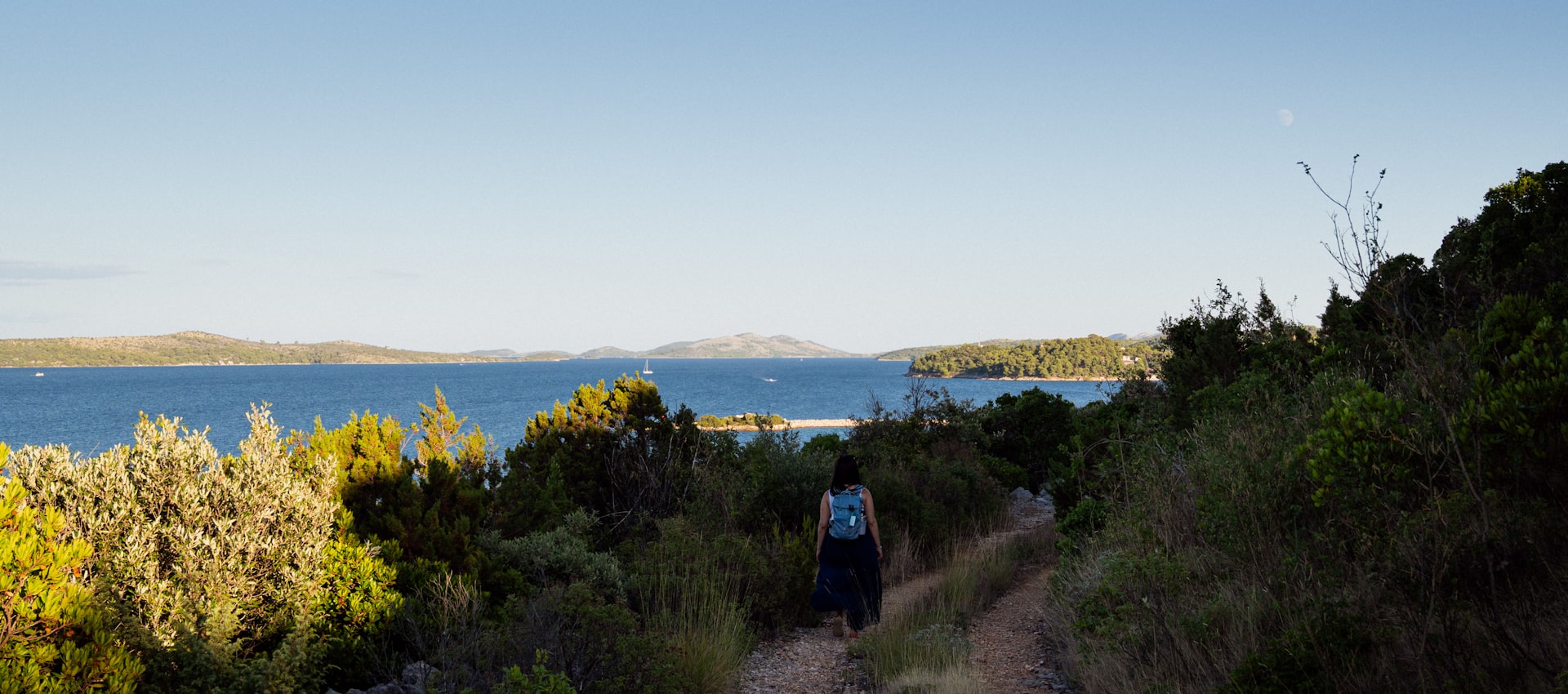
Photo by ulziibayar badamdorj on Unsplash
It’s important to note that nature immersion is not about being an expert in the outdoors. It’s about being open to the experience, willing to slow down, and curious about the world around you. Even a day spent in a local forest can be a transformative experience if you approach it with intention. Whether you’re sitting by a lake watching dragonflies dart across the water, hiking through a canyon admiring the layers of rock formed over millions of years, or simply listening to the sound of rain on a tent roof, these moments have the power to remind you of the beauty and complexity of the natural world. They also offer a chance to disconnect from the noise of modern life and reconnect with something larger than yourself.