Unpacking the Evolving Trajectory of Tourism in Secondary Urban Destinations

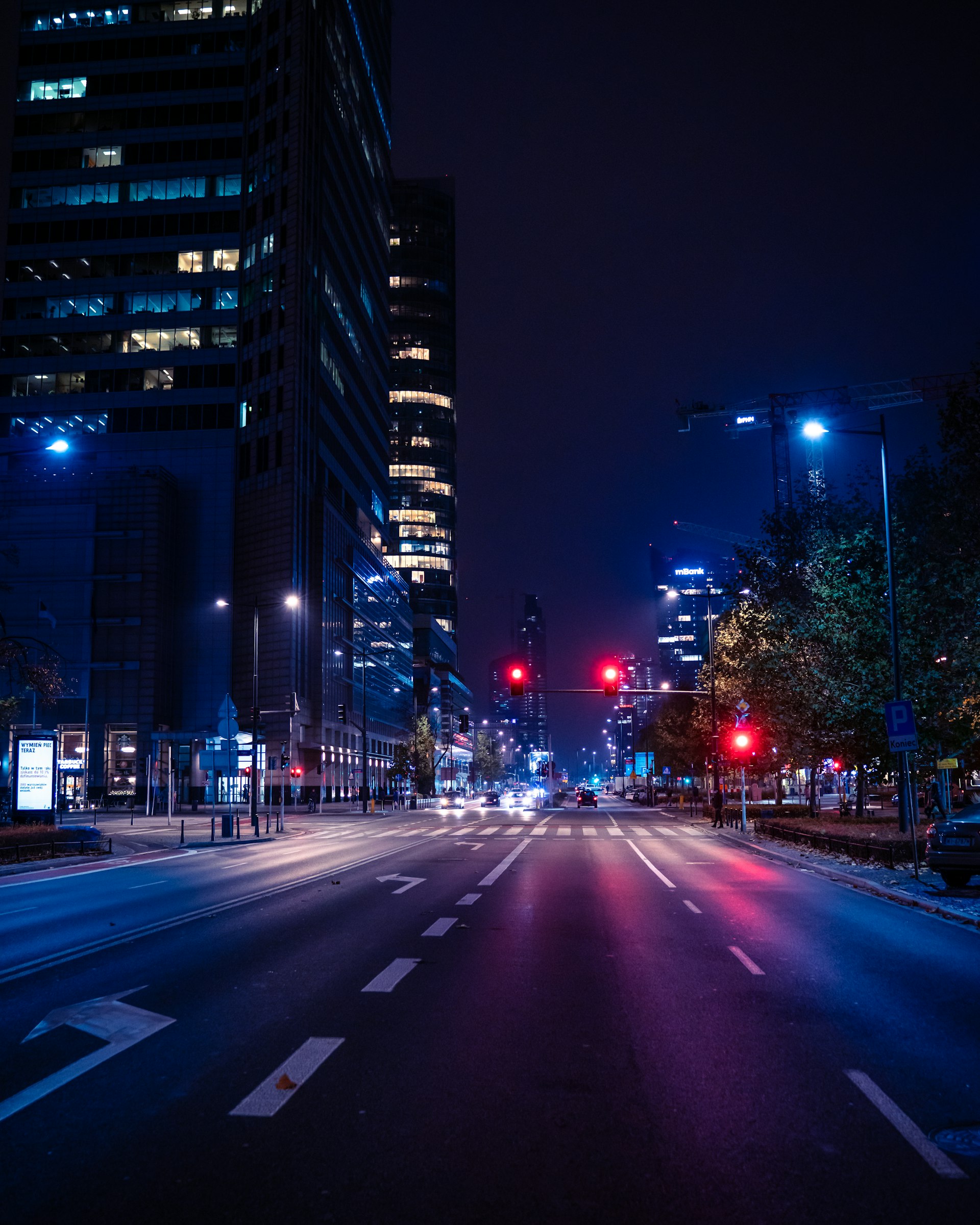
Photo by Zhuojun Yu on Unsplash
The Quiet Rise of Secondary Urban Tourism Hubs
For decades, global tourism has been dominated by major metropolitan centers-cities like Paris, Tokyo, and New York that draw millions of visitors each year with their iconic landmarks, world-class museums, and bustling commercial districts. But in recent years, a noticeable shift has occurred: travelers are increasingly turning to secondary cities, smaller urban centers that lie just outside these major hubs, or in regions that have long been overshadowed by more famous destinations. This shift is not a fleeting trend but a sustained evolution in how people approach travel, shaped by a confluence of factors that are redefining the tourism ecosystem.
Shifting Traveler Preferences: Authenticity Over Crowds
One of the primary drivers behind the growth of tourism in secondary cities is the changing priorities of modern travelers. Today’s visitors, especially younger generations, are less interested in checking off a list of famous landmarks and more focused on seeking authentic, immersive experiences. They want to connect with local communities, explore hidden cultural gems, and avoid the overcrowding and high prices that often come with major tourist destinations. Secondary cities, with their slower pace of life, unspoiled local traditions, and more intimate settings, are perfectly positioned to cater to these desires.

Photo by Declan Sun on Unsplash
For example, in the United States, cities like Asheville, North Carolina, and Portland, Maine, have seen a steady increase in visitor numbers over the past decade. Asheville, known for its craft beer scene, mountain landscapes, and vibrant arts community, has become a go-to destination for travelers looking to escape the chaos of cities like New York or Atlanta. Similarly, Portland, Maine, with its historic waterfront, fresh seafood, and small-batch distilleries, has emerged as a popular spot for those seeking a quiet, coastal getaway. These cities have not only capitalized on their unique assets but have also invested in marketing campaigns that highlight their authentic, local charm, attracting a loyal base of repeat visitors.
Policy and Infrastructure: Building the Foundation for Growth
Another key factor contributing to the growth of secondary city tourism is the proactive policies and infrastructure investments made by local governments and tourism boards. Many secondary cities have recognized the economic potential of tourism and have implemented strategies to improve their appeal to visitors. This includes upgrading transportation links, expanding accommodation options, and investing in cultural and recreational facilities.
In Europe, cities like Bruges, Belgium, and Salzburg, Austria, have long been secondary tourism hubs, but in recent years, smaller cities like Ghent, Belgium, and Ljubljana, Slovenia, have also seen significant growth. Ghent, with its medieval architecture, lively street markets, and sustainable tourism initiatives, has become a favorite among eco-conscious travelers. The city has invested in pedestrian-friendly zones, bike-sharing programs, and renewable energy projects, making it an attractive destination for those looking to travel sustainably. Ljubljana, the capital of Slovenia, has also focused on sustainable tourism, with initiatives like car-free zones in the city center and a network of walking and cycling paths that connect key attractions. These investments have not only improved the visitor experience but have also helped to preserve the city’s natural and cultural heritage.
Niche Tourism: Catering to Specialized Interests
Secondary cities are also leveraging their unique assets to develop niche tourism offerings that appeal to specific groups of travelers. This includes everything from culinary tourism and wine tours to outdoor adventures and cultural festivals. By focusing on these niche markets, secondary cities are able to differentiate themselves from major destinations and attract travelers who are looking for specialized experiences.
In Australia, cities like Adelaide and Perth have long been overshadowed by Sydney and Melbourne, but in recent years, they have emerged as popular destinations for culinary and wine tourism. Adelaide, located in the heart of the Barossa Valley, one of Australia’s most famous wine regions, has become a hub for food and wine lovers, with a thriving restaurant scene and numerous wine tours that showcase the region’s world-class wines. Perth, on the other hand, has capitalized on its proximity to the Indian Ocean and its unique natural landscapes, offering visitors opportunities for surfing, hiking, and wildlife watching. These niche offerings have helped to attract a diverse range of travelers, from foodies to adventure seekers, and have positioned these cities as must-visit destinations in their own right.
Community Engagement: The Heart of Sustainable Tourism
A critical aspect of the growth of secondary city tourism is the active involvement of local communities. Unlike major tourist destinations, where tourism can sometimes feel disconnected from the local population, secondary cities often have a more intimate relationship between visitors and residents. Local businesses, artisans, and community groups play a key role in shaping the tourism experience, offering visitors a chance to engage with the local culture in a meaningful way.
In Japan, cities like Kanazawa and Hiroshima have become popular secondary tourism hubs, thanks in part to their strong community engagement. Kanazawa, known for its traditional tea houses, samurai districts, and gold leaf crafts, has a thriving local artisan community that welcomes visitors to participate in workshops and demonstrations. Hiroshima, while still remembered for its tragic history, has also emerged as a destination for cultural tourism, with local residents leading walking tours that highlight the city’s recovery and its unique blend of traditional and modern culture. These community-led initiatives not only enhance the visitor experience but also ensure that the benefits of tourism are shared equitably among local residents.
Future Outlook: Sustaining Growth in a Changing World
As the tourism industry continues to evolve, secondary cities are well-positioned to sustain their growth in the coming years. However, this growth will depend on their ability to adapt to changing traveler demands and to address the challenges that come with increased tourism, such as overcrowding, environmental degradation, and rising costs. To ensure long-term success, secondary cities will need to continue investing in sustainable tourism practices, engaging with local communities, and developing innovative offerings that cater to the evolving needs of travelers.
One of the key challenges facing secondary cities is balancing growth with sustainability. As visitor numbers increase, cities will need to ensure that they are not compromising their natural and cultural heritage in the process. This includes implementing measures to reduce carbon emissions, protect local ecosystems, and preserve historic sites. Additionally, cities will need to invest in affordable accommodation and transportation options to ensure that tourism remains accessible to a diverse range of travelers.
Another challenge is maintaining the authenticity that makes secondary cities so appealing. As these cities become more popular, there is a risk that they will lose their unique identity and become like the major metropolitan centers they are trying to differentiate themselves from. To avoid this, cities will need to continue to support local businesses and artisans, and to promote their unique cultural assets. By doing so, they can ensure that they remain attractive to travelers who are seeking authentic, immersive experiences.
In conclusion, the growth of tourism in secondary cities is a positive development that is redefining the global tourism landscape. These cities are offering travelers a chance to connect with local communities, explore hidden cultural gems, and avoid the overcrowding and high prices of major destinations. With the right policies, investments, and community engagement, secondary cities can continue to thrive as tourism hubs, providing a sustainable and authentic alternative to traditional travel destinations.