Heritage Tourism and Cultural Preservation: Balancing Economic Growth with Legacy Protection

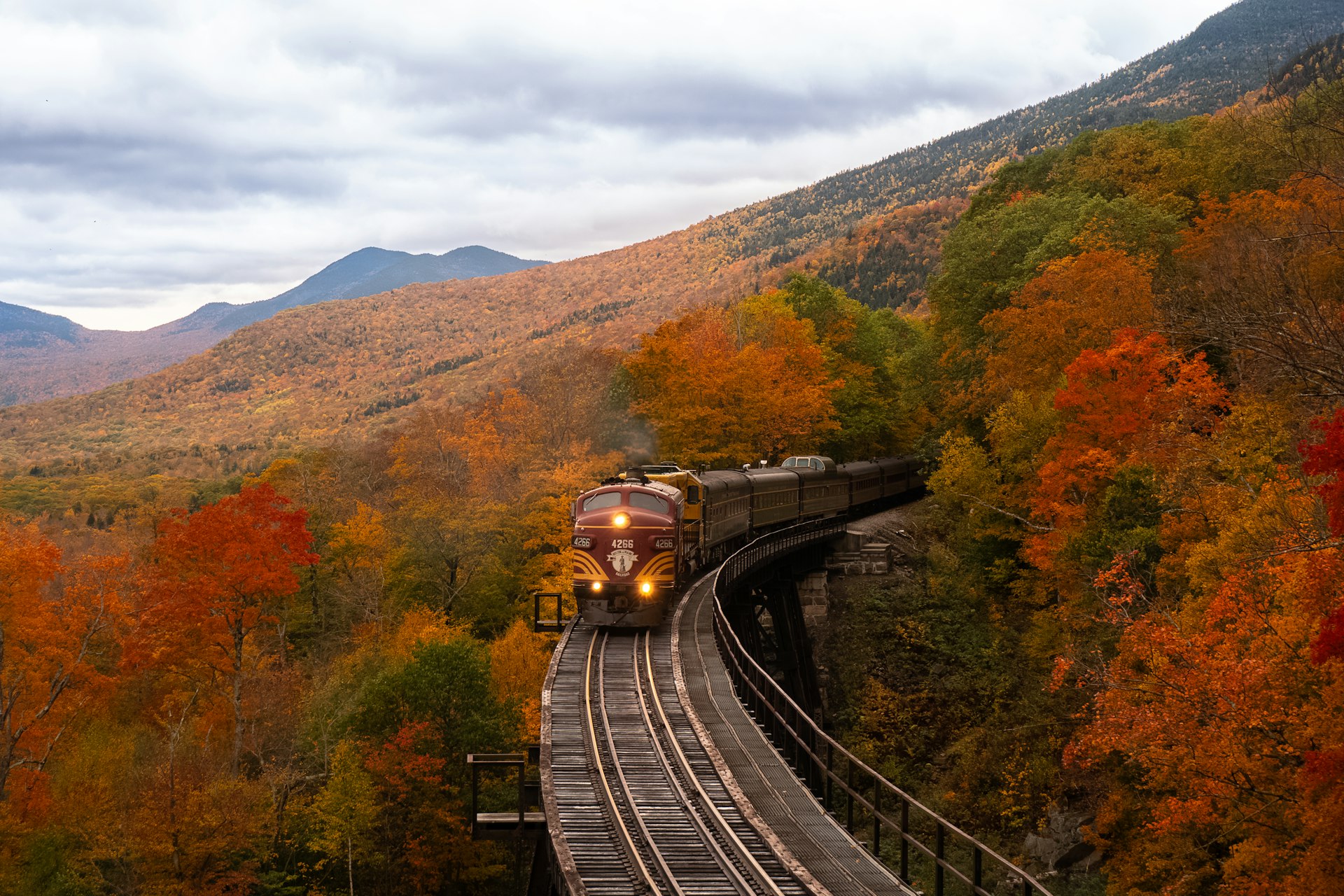
Photo by Saksham Vikram on Unsplash
Understanding Heritage Tourism and Cultural Preservation
Heritage tourism involves traveling to experience places, artifacts, and activities that authentically represent the stories and people of the past and present, including cultural, historic, and natural resources. [1] This form of tourism centers on a region’s cultural, historical, and environmental heritage, encompassing both tangible elements like monuments and intangible aspects such as traditions and customs. [2] Cultural preservation, meanwhile, is the deliberate effort to protect and manage these elements of the past that hold value for current and future generations, covering tangible heritage like buildings and artifacts, intangible heritage such as oral histories and dances, and natural sites of cultural importance. [3]
The interplay between heritage tourism and cultural preservation creates a dynamic where economic opportunities from visitors support the maintenance of cultural assets. For communities, this means turning historical sites into viable attractions without compromising their integrity. Preservation ensures these sites remain authentic, while tourism provides the funding and awareness needed for ongoing care. This balance is crucial because unchecked tourism can lead to overuse, erosion, or commercialization that dilutes cultural significance. Successful models emphasize sustainable practices that benefit locals through job creation and revenue while educating visitors about the heritage’s deeper meaning. [4]
Real-world examples illustrate this synergy. In the United States, many towns have revitalized through heritage tourism by highlighting local history, drawing millions of visitors annually who stay longer, spend more, and return frequently. [1] Challenges include managing visitor numbers to prevent damage, which preservation strategies address through conservation techniques and community involvement.
The Economic and Social Benefits of Heritage Tourism
Heritage tourism generates significant economic impact by creating jobs, boosting local businesses, and funding preservation efforts. Travelers engaging in cultural activities contribute to community sustainability, as they often prioritize authentic experiences over mass attractions. [2] For instance, visitors to historic sites support hotels, restaurants, and guided tours, injecting revenue directly into preservation projects. This economic model strengthens community ties, as locals take pride in sharing their heritage, fostering a sense of identity and belonging. [3]
Socially, it serves as an educational tool, allowing people to connect with history through immersive experiences like festivals or site visits. This promotes understanding of diverse cultures and learns from past societal developments. Communities that integrate tourism with preservation often see improved quality of life, as initiatives like the Preserve America program from 2004-2016 demonstrated by partnering federal agencies with locals for economic revitalization. [1] To implement this, communities can start by inventorying local heritage assets, such as old buildings or traditions, then develop visitor plans that limit access during peak times and use entrance fees for upkeep.
Potential challenges include overtourism, where high visitor volumes strain resources. Solutions involve capacity planning, such as timed tickets or digital booking systems, and diversifying attractions to spread impact. Alternative approaches include virtual tours for remote access, reducing physical wear while expanding reach. Case studies from U.S. historic districts show that when tourism revenue funds 20-30% of preservation budgets, sites remain viable long-term, enhancing both economy and culture.

Photo by Mohammad Amiri on Unsplash
Strategies for Effective Cultural Preservation in Tourism Contexts
Cultural heritage preservation requires methodologies like conservation, documentation, interpretation, and community engagement to keep heritage living and relevant. [3] In tourism, conservation means using specialized repairs on sites to withstand foot traffic, while documentation archives details via photos, 3D scans, and oral histories for future reference. Interpretation educates visitors through signage, apps, or guides, explaining significance beyond surface appeal.
Community engagement is key; locals must lead to ensure sensitivity and sustainability. Steps to implement include forming preservation committees with residents, governments, and NGOs; conducting heritage audits to identify at-risk sites; and creating management plans that cap visitor numbers and mandate low-impact practices. For example, sacred groves or monuments can use eco-friendly paths and waste systems. Technological integration, like digital twins of sites, allows monitoring and virtual experiences, addressing climate threats innovatively. [3]
Challenges such as funding shortages can be met by tourism levies or grants from organizations like the National Trust for Historic Preservation, which defines heritage tourism as experiential travel to authentic resources. [5] Alternatives include public-private partnerships where businesses sponsor restorations for branding. Successful cases, like U.S. cultural heritage initiatives, show interdisciplinary approaches combining archaeology, anthropology, and tourism expertise yield resilient outcomes.
Differences Between Cultural Tourism and Heritage Tourism
While related, cultural tourism focuses on people-based experiences like festivals, arts, or folklore, often defined by the UN World Tourism Organization as travel for cultural motivations such as study tours or pilgrimages. [5] Heritage tourism is more place-based, tied to specific historic sites or artifacts representing past stories. This distinction matters for preservation, as heritage efforts prioritize location-specific protection, like an author’s home or event landmark, whereas cultural tourism might involve broader events.
To leverage both, destinations can blend them: host festivals at historic venues to draw crowds sustainably. Implementation involves assessing site capacity, training guides on authentic narratives, and monitoring feedback. Challenges like commercialization are mitigated by strict guidelines preserving intangible elements. Examples from the National Association of State Arts Agencies highlight how coordinated cultural-heritage-tourist resources improve community life holistically. [6]
Practical Steps for Communities to Start Heritage Tourism Initiatives
Communities interested in heritage tourism and preservation can follow these steps: First, conduct a heritage inventory identifying tangible and intangible assets. Second, engage stakeholders through town halls to build support. Third, develop a tourism plan with sustainable caps, marketing focused on authenticity, and revenue allocation for preservation-aim for 50% reinvestment initially.
Fourth, partner with established groups like the Advisory Council on Historic Preservation for guidance on federal resources. Fifth, promote via social media and local events, emphasizing educational value. Monitor success with visitor surveys and site health metrics, adjusting as needed. Alternatives for small communities include niche tours or collaborations with nearby sites. This approach, seen in many U.S. revitalization projects, ensures long-term viability. [1]
Challenges like regulatory hurdles are overcome by consulting state historic societies early. By prioritizing preservation, communities avoid pitfalls like site degradation, instead creating enduring economic and cultural benefits.
Future Trends and Sustainable Practices
Emerging trends include digital preservation tools and climate-resilient designs, ensuring heritage withstands environmental changes. Heritage tourism is projected to grow as travelers seek meaningful experiences post-pandemic. Sustainable practices, like carbon-neutral transport to sites, align preservation with global goals. Communities adopting these see enhanced resilience and appeal.
In summary, integrating heritage tourism with cultural preservation offers pathways to prosperity and identity maintenance when managed thoughtfully.
References
[1] Advisory Council on Historic Preservation (2023). Heritage Tourism. Defines heritage tourism and its economic impacts. [2] Wikipedia (2023). Heritage tourism. Overview of tourism focused on cultural and historical heritage. [3] Sustainability Directory (2023). Cultural Heritage Preservation. Details on preservation methods and importance. [4] Fiveable (2023). Cultural and Heritage Tourism. Explanation of tourism preserving cultural identities. [5] Hargrove International (2023). Difference between Cultural and Heritage Tourism. Definitions and distinctions. [6] Americans for the Arts (2023). Cultural Heritage Tourism PDF. Community-focused tourism strategies.