
Luxury Conversion Van: Buy, Commission, or Start With a Panel Van?
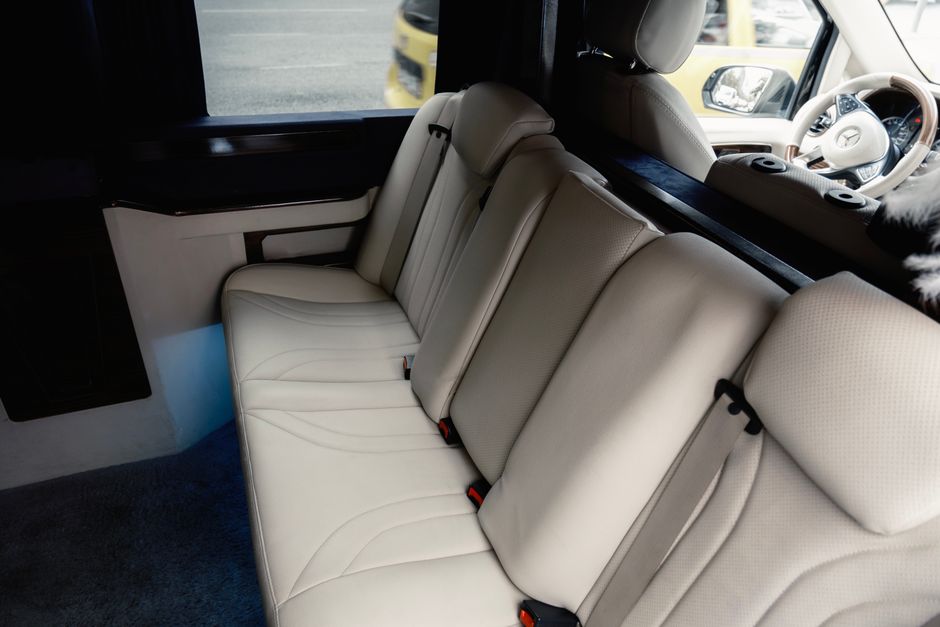
Buy a finished conversion when immediate availability and a documented, inspection-ready build matter most; commission one when your use requires specific systems and you can absorb the separate chassis and conversion costs; start with a lower-mileage panel van only after pricing the professional build, safety work, payload, and waiting time. The base van is not the whole budget.
The expensive-looking interior is the easy part to notice. The truth is that the durable decision sits underneath it: seating compliance, electrical capacity, water and heating systems, cargo allowance, and a paper trail that proves what was installed. Luxury does not require careless spending. It requires a scope that fits the way you will actually use the van.
Is it cheaper to buy a finished luxury conversion van or pay a converter to build one?
A commissioned build has published conversion costs of $50,000 to $75,000 from Contravans, with custom solutions reaching $95,000 or more, and the van is sold separately. A finished unit can eliminate the custom-build wait, but the supplied sources do not publish a comparable price for a used completed conversion, so no honest framework can declare it cheaper without comparing the actual listings and documentation.
Use a line-by-line budget instead of a headline price. Sportsmobile’s 2024 family-oriented Mercedes Sprinter example lists a $68,200 chassis and a $51,000 conversion, totaling $119,700. That makes the conversion about 43% of the displayed total before tax, insurance, financing, registration, and later maintenance. Those additional ownership costs are real budget categories, but the supplied sources do not publish amounts for them.
Here is how to keep the comparison honest: separate the chassis, conversion, and unpublished ownership costs. Then compare the warranty. Outpost Vans states a three-year or 36,000-mile workmanship warranty, while third-party component warranties range from one to 11 years. A long appliance warranty is not the same thing as converter workmanship coverage.
| Option | Who it suits | Published cost | Key limitation |
|---|---|---|---|
| Finished completed conversion | Buyers prioritizing immediate availability | Not published in the supplied sources | Condition, system documentation, and safety-compliance history must be verified on the specific unit |
| Commissioned professional conversion | Buyers needing a defined system package or a custom layout | Contravans: $50,000 to $75,000 typically; custom solutions $95,000 or more; van sold separately | Outpost Vans reports approximately 90 to 180 days for the custom build, excluding build-opening and chassis-sourcing time |
| Lower-mileage panel van plus conversion | Buyers able to source the chassis separately and control the build scope | Sportsmobile example: $68,200 chassis plus $51,000 conversion; $119,700 total | Payload must accommodate installed equipment, passengers, water, and cargo |
Do not pay for a vague “fully loaded” label. Ask for the build sheet, the warranty split, and the weight information. For wider ownership-cost planning, the same disciplined approach used in Should I Keep Comprehensive Insurance on a Paid-Off Car? applies here: separate the purchase decision from the continuing cost decision.
Why are lower-mileage panel vans often less expensive than completed conversions?
The provided sources do not establish that lower-mileage panel vans are often less expensive than completed conversions, but they do show why the comparison can look that way: a panel van can be priced before the conversion work is added. Sportsmobile lists its chassis and conversion separately, while Contravans explicitly says its van is sold separately.
That gap is not free money. It is the price of the systems that make the van functional: lithium batteries, alternator charging, a 3,000-watt inverter or inverter/charger, shore power, solar, heating, ventilation, and water systems appear in Contravans’ baseline specification. Sportsmobile’s example also includes rooftop air conditioning, a water system with a tankless heater, refrigeration, a toilet compartment, swivel seats, wheels, and tires.
Match those systems to the job. Day trips and family transport place more weight on compliant seating and occupant protection. Remote work places more weight on electrical capacity and charging. Extended travel raises the importance of water storage, heating, ventilation, and off-grid climate equipment. Contravans lists a six-gallon fresh and gray water system as standard, while a 20-gallon fresh-water tank is optional; that published difference shows why trip length changes scope.
Do not confuse a lower entry price with a lower complete cost. Price the chassis and the required systems together before judging the deal.
How much should I budget beyond the base van for a professional luxury conversion?
Budget at least the published professional conversion range on top of the base van: $50,000 to $75,000 typically from Contravans, with custom solutions as high as $95,000 or more; Sportsmobile’s published example adds $51,000 to a $68,200 chassis. Taxes, insurance, financing, registration, and maintenance belong in the total-ownership plan, but the supplied sources do not publish dollar figures for those categories.
Start with capability, not trim. Higher-capacity batteries, alternator charging, inverter capacity, off-grid air conditioning, larger freshwater capacity, a shower, filtration, suspension, and exterior equipment are listed by Contravans as upgrade areas. Those are functional choices when they solve a specific use problem. Public data in the supplied sources does not rank decorative upgrades by resale value, so a polished surface is not evidence of a better electrical or safety build.
Protect the safety budget first. The National Highway Traffic Safety Administration states that a conversion company may modify a van only if the modification does not take it out of compliance with applicable Federal Motor Vehicle Safety Standards. For seating changes, NHTSA identifies standards covering seating systems, occupant crash protection, seat-belt assemblies, belt anchorages, and child-restraint anchorages. Replacement seat belts must be certified by their manufacturer as compliant with FMVSS No. 209, and anchorage work must meet FMVSS No. 210 location and strength requirements.
Then protect the weight budget. Sportsmobile’s example has a 9,050-pound GVWR and 1,300-pound cargo-carrying capacity. Verify that the installed conversion equipment, passengers, water, and cargo remain within the published allowance. That check is more valuable than another decorative option.
Frequently Asked Questions
What conversion work adds value and what upgrades are mostly cosmetic?
Work that supports the intended use adds the clearest practical value: battery capacity, charging, inverter capacity, heating, ventilation, water capacity, and off-grid air conditioning are published upgrade categories from Contravans. The supplied sources do not rank cosmetic upgrades by resale value, so do not treat attractive finishes as proof of a better build. Ask for system specifications and documentation before paying extra.
What should I inspect in a used conversion van's electrical, plumbing, and gas systems?
Inspect whether the seller can document the electrical, plumbing, heating, fire and life-safety standards used for the build, including the relevant RVIA-adopted standards. For seating, confirm that modifications preserve applicable FMVSS requirements for seats, belts, anchorages, and child-restraint anchorages. An RVIA seal is one quality-control signal because participating manufacturers are subject to periodic compliance audits, but it does not replace reviewing the specific van.
How long does a custom luxury van conversion usually take?
Outpost Vans gives a general custom-build timeline of approximately 90 to 180 days, excluding time waiting for a build opening and sourcing the chassis. A previously developed layout can move faster, while a novel layout can take longer. Get the converter to separate those stages in writing before treating a completion date as firm.
Make the final decision with a written scope: the van price, conversion price, system list, payload information, compliance documentation, warranty terms, and every unpublished ownership cost you must obtain from a seller, insurer, lender, or registration authority. That is the move that turns a luxury-van purchase from a shiny guess into a controlled expense.