How Can I Make Bite-Size Appetizers Ahead Safely?
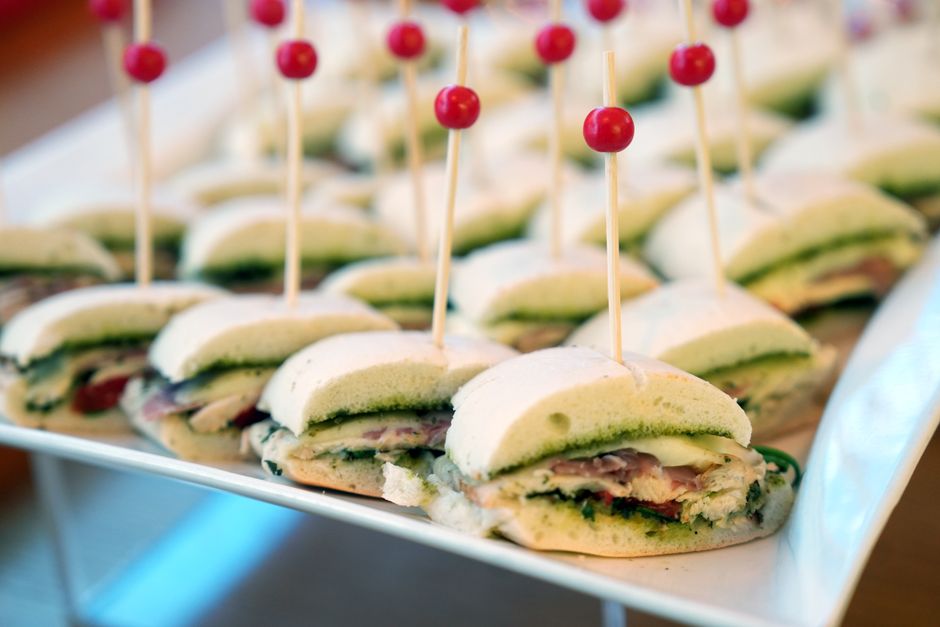
Make bite-size appetizers ahead by refrigerating perishable fillings and cooked items at 40 degrees F or below, keeping crackers and crisp bases separate, and assembling wet-and-crisp components close to serving. Put cold foods out in small batches over ice and replace them often; discard perishable foods left at room temperature for more than 2 hours, or 1 hour above 90 degrees F.
The common belief is that a party platter has to be finished at the last minute. The truth is that most of the work can happen ahead; the final assembly is what protects both texture and food safety. That division saves time and prevents the wasteful move of throwing out a large platter because it lingered on the table too long.
How far ahead can I make mini appetizers?
You can make many mini-appetizer components 3 to 4 days ahead when they are cooked or perishable foods held at 40 degrees F or below, but plan the serving-day assembly around foods that can become soggy or warm up too long. FoodSafety.gov lists egg, chicken, ham, tuna, and macaroni salads, along with cooked meat and poultry leftovers, at 3 to 4 refrigerated days. That is a storage window, not permission to leave the finished bites on a counter all afternoon.
Start with a two-part plan: prepare fillings, cooked components, and cold items ahead; then pair them with crackers, toast, phyllo cups, or other crisp bases near serving. Oregon State University Extension is unusually direct on this point: toast- or crisp-base appetizers should be packaged separately. A finished canapé stored overnight is often doing two bad jobs at once: softening its base and occupying valuable refrigerator space.
| Task | Best timing | What protects quality and safety |
|---|---|---|
| Cooked fillings, meat, poultry, or prepared salads | Up to 3 to 4 days ahead when refrigerated | Keep at 40 degrees F or below. |
| Crackers and crisp toast bases | Prepare or store ahead; assemble near serving | Use a tight-fitting, airtight container. |
| Frozen reheated appetizers | Make ahead and freeze for quality | Use moisture-vapor-resistant packaging; uncover for the final 10 to 15 minutes of oven heating. |
| Cold platters for guests | Set out in small batches | Hold at 40 degrees F or colder over ice and replace often. |
For hot make-ahead foods, cooling matters before storage. The University of Minnesota Extension says cooked appetizers should cool from 135 to 70 degrees F within 2 hours, then from 70 to 41 degrees F or below within the next 4 hours. Do not put a large hot batch aside and hope the refrigerator sorts it out. Divide it into manageable portions and get it cooled promptly.
If freezing is part of the budget plan, Oregon State University Extension recommends slightly undercooking foods that will be reheated and using moisture-vapor-resistant packaging. FoodSafety.gov notes that food continuously frozen at 0 degrees F or below can be kept indefinitely for safety, while freezer guidance is about quality. Build the menu around that distinction: freeze what reheats well, refrigerate what needs a fresh texture, and reserve crisp bases for the finish.
Which bite-size appetizers stay crisp when made ahead?
The crispest make-ahead bites are the ones stored as separate dry and moist components until serving. Crackers, toast rounds, and other dry bases lose their advantage when they are enclosed with moist toppings; Oregon State University Extension explains that dry foods not kept airtight can absorb moisture and crackers can lose crispness.
Here is how to avoid the familiar disappointment of a tray that looks prepared but eats soft. Keep crackers in their original package or a container with a tight-fitting lid, especially when humidity is above 60 percent. The same extension guidance identifies 50 to 70 degrees F as an optimum range for dry-food quality and says crackers can be restored by heating them on a cookie sheet for a few minutes in a 425 degrees F oven.
- Store the base dry. Keep crackers, toast, and crisp cups apart from fillings until close to serving.
- Chill the filling separately. Cover and refrigerate perishable fillings at 40 degrees F or below.
- Assemble in small rounds. Put out only the number guests are likely to eat soon, then refill from chilled reserves.
That last step is the practical one people skip because a full table looks generous. But a large, fully assembled tray creates more exposure time and more potential waste. For other food-planning ideas that favor manageable portions over excess, see What Can I Eat at Midnight When I Am Hungry but Do Not Want a Heavy Meal?.
Phyllo cups and similar crisp shells follow the same logic even when a recipe calls them “make-ahead.” Make the shell or acquire it ahead, make the filling ahead, then combine them late. The ingredient list is not the issue; moisture migration is. Separate storage is the low-cost fix.
Can I leave cold appetizers out for a party?
No, cold appetizers containing perishable ingredients should not remain out without temperature control for more than 2 hours, or more than 1 hour when the air temperature is above 90 degrees F. The USDA Food Safety and Inspection Service directs hosts to hold cold buffet foods at 40 degrees F or colder and hot foods at 140 degrees F or warmer.
This is where “room temperature” becomes a misleading party label. The University of Minnesota Extension defines the danger zone for time/temperature-control-for-safety foods as 41 to 135 degrees F. Its examples include meat, poultry, fish, eggs, dairy products, cooked grains and pastas, cooked produce, and raw cut produce. A cream-cheese bite or a skewer with cut produce is not a decoration that can sit indefinitely; it needs a cold-holding plan.
Use bowls of ice for cold buffet dishes, or set out small trays and replace them often, as USDA recommends. Keep refill trays in the refrigerator until needed. Once guests have handled ready-to-eat food, Minnesota Extension advises disposing of it rather than returning it to cold storage. That is not overcautious hosting. It is the cheaper alternative to gambling with the rest of the batch.
Make the final party plan practical: prepare chilled fillings and cooked bites within their refrigerated storage window, protect dry bases in airtight storage, assemble small trays, and rotate those trays from the refrigerator or ice. Hosts do not need a restaurant-sized spread to make the table work. They need a system that keeps the good texture in and the risky time out.
Frequently Asked Questions
How long can cream cheese appetizers sit at room temperature?
Cream cheese is a dairy product and falls within the University of Minnesota Extension's time/temperature-control-for-safety food category. Discard cream cheese appetizers held without temperature control for 2 hours or more; the limit becomes 1 hour when the air temperature is above 90 degrees F. Keep small portions chilled and replace them rather than leaving one large platter out.
Should I assemble appetizer skewers the night before?
Assemble skewers the night before only when their ingredients can remain chilled and their texture will not suffer from contact with moisture. Pre-chill the ingredients, refrigerate the finished skewers at 40 degrees F or below, and keep any crisp garnish separate until serving. Raw cut produce, dairy, cooked grains, and proteins are all foods that require temperature control.
Which individual appetizers are best served cold or at room temperature?
Cold service works best for individual bites whose refrigerated components can stay at 40 to 41 degrees F or below, such as chilled salads or dairy-based fillings served in small batches. Foods containing meat, poultry, fish, eggs, dairy, cooked grains, pastas, or raw cut produce should not be treated as unrestricted room-temperature appetizers. Serve these from ice or replace trays often.
Sources
- USDA Food Safety and Inspection Service: Steps to Keep Food Safe
- FoodSafety.gov: Cold Food Storage Charts
- University of Minnesota Extension: Cooking Safely for a Crowd
- Oregon State University Extension: Freezing Convenience Foods You've Prepared at Home
- Oregon State University Extension: Food Storage for Safety and Quality