Used Toyota Kluger Inspection Guide: Avoid a Costly Family SUV
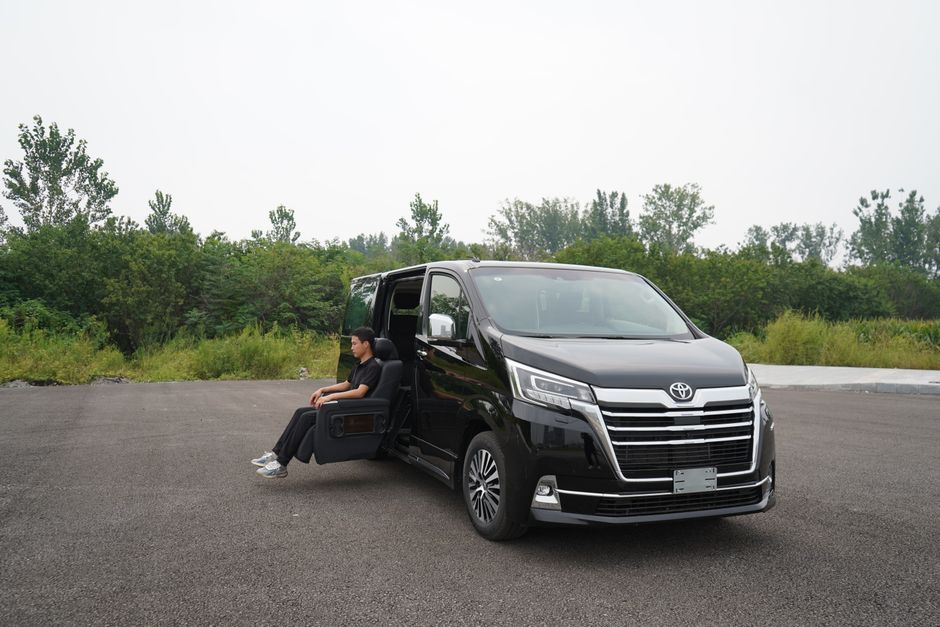
Before buying a used Toyota Kluger, verify its VIN against Toyota recall records and a same-day PPSR search, then inspect the front bumper, seats, steering-wheel controls, towbar area, underbody, service records and interior for evidence of neglect or hard use. A cheap Kluger is only a saving when its history, recalls and condition support the price.
Provenance is the paper trail. Condition is the physical trail. You need both, because neither a clean exterior nor a promising seller description can tell you whether the vehicle carries a security interest, missed recall work, incomplete servicing or the accumulated strain of towing.
What are the most common problems with a used Toyota Kluger?
The most important documented used-Kluger issues to check are unresolved recalls affecting the front bumper cover, steering-column spiral cable and second-row seat recliner, particularly on affected 2021-2023 vehicles.
Toyota Australia's October 2023 front-bumper recall covered about 29,900 Australian-market petrol and hybrid Klugers produced from March 2021 to early August 2023. Damaged mounting tabs after a minor impact can allow the lower resin bumper cover to detach. Look underneath the front of the vehicle for a lower cover hanging loose from the upper bumper cover, then confirm the VIN-specific result through Toyota Australia's recall notice.
A separate Toyota recall covers about 630 petrol and hybrid Klugers produced between March and July 2023. An insufficient weld in the spiral cable can interrupt the driver's airbag circuit; an illuminated SRS warning light and inoperative steering-wheel electrical controls are possible symptoms. The government also lists a 2021-2023 recall in which the second-row seat recliner may not fully engage, allowing the seatback to move during hard braking or a crash.
- Start with controls. Turn the ignition on and check for warning lights, then test steering-wheel electrical controls and examine whether the second-row seatback engages securely while it is adjusted.
- Work from front to rear. Inspect the front bumper from underneath, then look at paint, panel alignment, interior trim and cargo-area fittings for repair quality or unusual wear.
- Check the working end. Inspect the towbar, trailer wiring, rear suspension area and underbody together. These areas deserve more attention where a vehicle appears equipped for towing.
- Match documents to the vehicle. Compare the physical VIN with the VIN on the listing, recall result, PPSR certificate and service paperwork. A mismatch stops the process, rather than becoming a detail to explain away.
The fourth-generation Kluger was specified for servicing every 12 months or 15,000 km. Missing records against those intervals are not proof of a defect, but they are a measurable gap in the vehicle's maintenance story and a valid negotiation point.
Is a Toyota Kluger with more than 200,000 km worth buying?
A Kluger with more than 200,000 km can be worth considering only when its condition, service timeline, VIN checks and price all withstand scrutiny; the kilometre reading alone cannot establish value.
Public PPSR data does not provide ownership history or odometer readings, so it cannot validate a seller's mileage story. Toyota's published 12-month/15,000-km service interval gives buyers a practical framework: compare the odometer with the chronology of invoices, dealer entries and inspection records. If that evidence is incomplete, price the vehicle as one with unknown maintenance rather than assuming the missing work was completed.
High kilometres and neglect are different things. High kilometres with records, completed recalls and a clean physical inspection may be easier to assess than lower kilometres with gaps, alterations or damage. Conversely, a low odometer does not resolve a PPSR security interest or an open safety campaign.
Keep the ownership budget separate from the purchase price. Repairs, replacement infotainment components and overdue maintenance can erase an apparent bargain, while insurance is a separate recurring cost to review alongside the vehicle decision. This site's guide to why car insurance can rise without tickets or accidents can help frame that wider household-cost check.
How can I tell whether a used Kluger was an ex-police or emergency-services vehicle?
You cannot reliably prove that a Kluger was an ex-police or emergency-services vehicle from a PPSR search alone, because PPSR does not provide ownership history; instead, combine document checks with a careful search for unexplained physical alterations.
The PPSR search requires the VIN or chassis number, not a registration plate or engine number. It can return VIN-linked make, model, colour, written-off status, stolen status and registered security interests, and it provides a search certificate as a legal record. According to the Australian Government PPSR, a registered security interest can mean money is owing and the vehicle could be repossessed even after the buyer pays the seller.
Look for a pattern rather than declaring a history from one clue: non-standard holes or removed fittings in the cabin or cargo area, altered wiring, unusual mounting points, mismatched trim and unusually hard wear on driver controls all warrant questions and a professional inspection. These observations do not establish police or emergency-service use. They identify discrepancies the seller should be able to document.
Run the $2 self-service PPSR search on the day before or the day of purchase, as PPSR recommends. Then retain the certificate, ask the seller to explain any condition mismatch and do not confuse a clear PPSR result with a complete ownership or odometer history.
Should I choose a FWD or AWD Kluger?
Choose the petrol 2WD Kluger when your verified vehicle and needs favour the simpler front-driven option, and choose AWD only when the specific petrol AWD or hybrid AWD configuration and its trade-offs suit your intended use.
Toyota Australia offered the fourth-generation Kluger as petrol 2WD, petrol AWD and hybrid AWD across GX, GXL and Grande grades. The term FWD is often used in listings, but Toyota's source describes the petrol front-driven version as 2WD. The 3.5-litre petrol V6 is rated at 218 kW and 350 Nm; the hybrid AWD has a combined output of 184 kW and claimed combined ADR consumption as low as 5.6 L/100 km.
| Option | Who it suits | Published figure | Key limitation |
|---|---|---|---|
| Petrol 2WD | Buyers choosing Toyota's petrol 2WD configuration | 3.5-litre V6: 218 kW and 350 Nm | Not an AWD configuration |
| Petrol AWD | Buyers choosing an AWD petrol configuration | Torque can vary from 100% front drive to a 50:50 front-rear split | Fuel-consumption figure not published in the cited source |
| Hybrid AWD | Buyers choosing Toyota's hybrid AWD configuration | 184 kW combined output; claimed combined ADR consumption as low as 5.6 L/100 km | Specific towing limits must be confirmed in the vehicle's owner manual |
For towing, do not choose from a badge alone. Toyota's current range information lists a 2,000 kg maximum braked towing capacity for GX, GXL and Grande hybrid AWD variants, while stressing that GVM, GCM, kerb weight, axle load, payload, passengers, luggage, accessories and tow-ball load all matter. Toyota also recommends a load-distribution hitch when towing loads greater than half the vehicle's GVM, or where the owner's manual specifies it. That is why a tow-equipped used Kluger needs a more deliberate inspection, not a quicker one.
Before paying a deposit, use Toyota's official 17-digit VIN tool. It reports safety-recall and service-campaign status for vehicles supplied through authorised networks, while Toyota notes that grey imports are excluded. Secure evidence that open work has been completed, because recalls are repaired or replaced free of charge.
Frequently Asked Questions
What recall work should I check by VIN before buying a Kluger?
Check the 17-digit VIN in Toyota Australia's recall-status tool and ask for evidence that all open safety recalls and service campaigns have been completed. Relevant 2021-2023 recalls include a front bumper-cover issue, a steering-column spiral-cable issue affecting the driver's airbag circuit, and a second-row seat-recliner issue. Toyota says recall repairs and replacements are completed free of charge.
How can I spot a Kluger that has towed boats or caravans?
Inspect the towbar, trailer wiring, rear suspension area, underbody and service evidence as one system rather than relying on the towbar alone. Toyota lists a 2,000 kg maximum braked towing capacity for current hybrid AWD Klugers, but says passenger, luggage, accessories and tow-ball load reduce available payload. Confirm the exact towing limits in the specific vehicle's owner manual.
What service records should a used Kluger have?
For the fourth-generation Kluger, Toyota specified scheduled servicing every 12 months or 15,000 km. Records should therefore form a consistent timeline against the vehicle's odometer, with invoices or dealer documentation supporting the entries. Missing intervals do not prove a fault, but they leave an important maintenance question unanswered and give a buyer a concrete reason to seek an inspection or reconsider the price.
The practical next step is a four-part gate: compare the VIN everywhere, run PPSR at the right time, clear recall status and inspect the vehicle where towing, damage or modification would leave evidence. If one gate fails, do not let a low asking price turn an unanswered question into your expense.
Sources
- Australian Government Personal Property Securities Register: Car Check
- Toyota Australia: Recalls
- Toyota Australia: Kluger front bumper cover recall
- Toyota Australia: Kluger spiral cable assembly recall
- Australian Government Vehicle Recalls: REC-006562
- Toyota Australia: All-new Kluger arrives in Australia
- Toyota Australia: Kluger range