
What Is a Senior-Friendly Meal System for Living Alone?
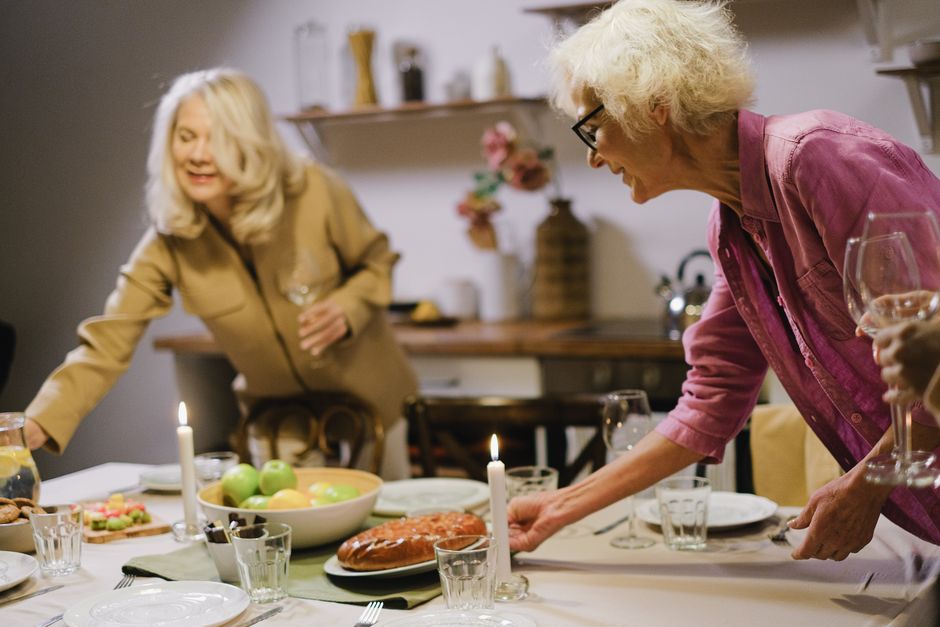
A senior-friendly meal system for living alone is a small, repeatable routine: buy a short list of flexible foods, combine a protein, produce, and grain or starch into one-serving meals, and freeze labeled extras promptly. This approach reduces chopping, cleanup, food waste, and decision fatigue while making safe, nourishing meals easier to keep on hand.
What are easy healthy meals for a senior living alone?
Easy healthy meals for one use a three-part formula: protein + produce + grain or starch. Protein is the anchor. Produce adds variety. A grain or starch makes the meal feel complete without requiring a complicated recipe.
The National Institute on Aging recommends variety across food groups and choices with little to no added sugar, saturated fat, and sodium. It also identifies seafood, dairy or fortified soy foods, beans, peas, and lentils as useful protein choices for older adults. That guidance makes a useful shopping rule: choose a few ingredients from each part of the formula that can appear in more than one meal.
| Meal format | Low-effort combination | Why it fits the system |
|---|---|---|
| Smoothie | Yogurt, spinach, and fruit | No pan and no chopping when pre-cut or frozen ingredients are used. |
| Toast meal | Whole-grain toast, an omelet, and vegetables | One pan, a short ingredient list, and little cleanup. |
| Sandwich meal | Chicken, tomato, avocado, and bread | Assembles quickly and does not require a full cooking session. |
| Pan meal | Fish, spinach, and a grain or starch | Keeps the formula intact with limited cookware. |
These combinations adapt examples published by the National Institute on Aging. The point is not to create a different menu every day. It is to make the next meal obvious. For breakfast planning, the same principle can support a healthy breakfast that keeps you full: select a dependable combination, then repeat it until it becomes easy.
How can an older adult cook for one without wasting food?
An older adult can cook for one without wasting food by treating the freezer as part of the meal plan, not as an afterthought. Cook one meal now. Portion the remainder before it disappears into an unlabeled container. Then use the next portion on a day when cooking is less practical.
The U.S. Department of Agriculture MyPlate recommends doubling a recipe and freezing the extra, including soups, sauces, and gravies in small reusable containers. Its advice also favors simple menus, which are easier to prepare and often cost less. That creates a useful four-step system.
- Plan from overlap. Make a shopping list around ingredients that work in several meals, rather than buying ingredients for many unrelated recipes. The National Institute on Aging says meal planning and a shopping list can support variety and help control a food budget.
- Buy the workable version. Pre-cut fruit and vegetables may cost more than whole produce, but they remove a preparation barrier. The National Institute on Aging specifically advises looking for pre-cut varieties when slicing and chopping are difficult.
- Portion before storing. Divide leftovers into one-meal containers while the meal is still being put away. Label the food and date, then arrange newer containers behind older ones.
- Use the refrigerator as a short queue. FoodSafety.gov says vegetable or meat soups and stews can be refrigerated for 3 to 4 days, as can cooked meat or poultry leftovers and baked egg casseroles. Plan those meals early in the week and freeze portions that will not be used in that window.
Food safety is part of saving money. According to FoodSafety.gov, adults age 65 and older are more likely to be hospitalized or die from foodborne illness. Refrigerate perishable foods within 2 hours, or within 1 hour when temperatures are above 90 degrees F. Keep raw meat, poultry, seafood, and eggs separate from ready-to-eat food.
What meals can seniors make when standing and chopping are difficult?
When standing and chopping are difficult, the most practical meals are no-knife assemblies, microwaveable portions, and one-pan combinations made with pre-cut or prepared ingredients. The goal is not to push through a difficult cooking task. The goal is to remove the task from the meal system.
Start with a seated-friendly setup: keep the most-used cookware, containers, and pantry foods within easy reach. USDA MyPlate recommends storing frequently used cooking items where they are easy to access, and it suggests freezing extra chopped vegetables to avoid a future preparation step.
- Make a yogurt-and-fruit smoothie with spinach.
- Prepare an omelet with pre-cut vegetables and whole-grain toast.
- Assemble a chicken, tomato, and avocado sandwich using ready-to-eat ingredients.
- Heat a previously frozen soup, stew, or casserole portion instead of beginning from raw ingredients.
- Pair fish with spinach in one pan when a cooked meal is manageable.
Arthritis, Parkinson's disease, and stroke can make cooking and self-feeding harder, according to the National Institute on Aging. The agency recommends discussing an occupational-therapy referral with a clinician; occupational therapists may suggest kitchen rearrangement, special utensils and plates, or a custom hand splint. Smaller appetites can also be linked to age-related body changes or medication side effects, which the agency says should be discussed with a doctor. When appetite is low, use lemon juice, vinegar, or herbs for flavor rather than adding more salt.
A workable system is measured by whether it gets used. Keep one or two meals ready in the refrigerator, a few labeled portions in the freezer, and a short list of shelf-stable or frozen backup ingredients. That is enough structure to reduce waste without turning eating into a full-time project.
Frequently Asked Questions
Which foods can I batch-cook and freeze in single portions?
Soups and stews, cooked meat or poultry leftovers, and baked egg casseroles are practical choices for single-serving freezer portions. FoodSafety.gov lists soups and stews at 2 to 3 months in the freezer, cooked meat or poultry leftovers at 2 to 6 months, and baked egg casseroles at 2 to 3 months for best quality. Label each container with its contents and date so the oldest portions are easy to identify.
How can caregivers make meals easier for an elderly parent?
Caregivers can set up a short grocery list, place frequently used items within easy reach, and portion cooked food into labeled containers. The National Institute on Aging notes that occupational therapy may help when health conditions make food preparation or self-feeding difficult; a clinician can advise whether a referral is appropriate. Keep raw meat, poultry, seafood, and eggs separate from ready-to-eat foods.