
Which Medicaid Dental Services Does My State Cover for Adults?
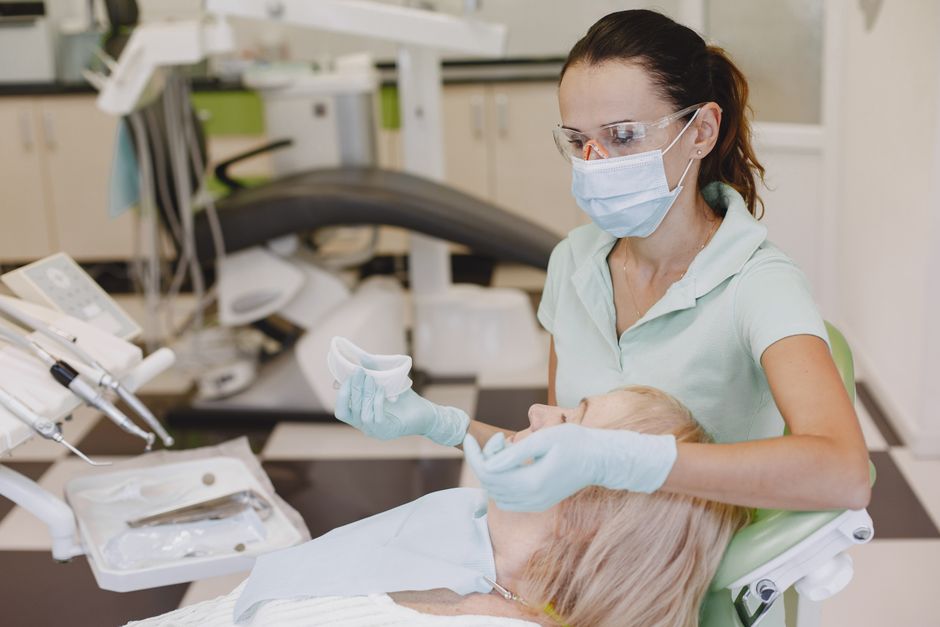
Adult Medicaid dental coverage is decided state by state, so enrollment alone does not confirm coverage for cleanings, fillings, crowns, root canals, dentures, or extractions. Check your plan’s member portal and benefits documents, then call the number on your insurance card to verify the service, authorization rules, an in-network dentist, and whether that office accepts new adult patients.
The useful distinction is this: coverage means a benefit may be available under your state and plan rules. access means a nearby office can see an adult enrolled in that exact plan now. Treat these as two separate checks. A directory result is not an appointment, and a covered service is not necessarily covered without limits or authorization.
Does Medicaid cover cleanings, fillings, crowns, root canals, or dentures for adults?
It can, but adult Medicaid dental coverage varies by state, by the service needed, and sometimes by the managed-care plan. The Centers for Medicare & Medicaid Services states that adult dental benefits have no federal minimum requirement; states decide what they offer. That is why no national yes-or-no answer applies to crowns, dentures, or even preventive care.
Think in benefit categories rather than assuming a procedure name settles the question. An adult benefit can be comprehensive enough to include preventive and restorative services, more limited in the procedures it includes, or focused on emergency care. The state’s current benefit document and your plan’s member materials are the records that determine which category applies to you.
Virginia illustrates why details matter. In its CMS-approved adult dental state plan, Virginia covers exams, routine cleanings, x-rays, fillings, crowns, root canals, dentures, partials, extractions, and anesthesia for adults aged 21 and older. But the same plan includes limits: preventive cleanings are covered up to three times yearly, crowns are tied to a root canal completed while the member is enrolled, and partial dentures require a definitive treatment plan plus preventive and periodontal maintenance. That is not a nationwide rule. It is a practical example of why a benefit list must be read alongside its conditions.
| What to verify | What the answer tells you | Where to verify it |
|---|---|---|
| Exact procedure | Whether your plan lists the needed service as an adult benefit | Member portal, handbook, or member services |
| Limits and exclusions | Whether frequency, clinical conditions, or exclusions change coverage | Benefit document and member services |
| Authorization | Whether the plan must approve the service before treatment | Member services and the dental office |
| Network and availability | Whether the office takes your exact plan and new adult patients | Dental office, after checking the plan directory |
The American Dental Association Health Policy Institute reported that 38 states and the District of Columbia offered enhanced adult dental benefits in 2025, while Alabama was the only state with no adult dental coverage. Those statewide classifications are useful context, not a substitute for your plan’s answer about a particular procedure.
Why does a dentist accept Medicaid for children but not adults?
A dentist can accept Medicaid for children but not adults because children’s dental coverage is federally required while adult dental coverage is optional for states. CMS distinguishes children’s dental entitlement under the Early and Periodic Screening, Diagnostic, and Treatment benefit from adult benefits that states may define differently. The office may therefore participate for pediatric Medicaid services without offering appointments to adult Medicaid members.
This is an administrative difference, not proof that the receptionist made a mistake. The office may need to know your age group, the name on your Medicaid card, and the specific health or dental plan before it can answer accurately. CMS advises members to give the dentist the name of their Medicaid health plan while making an appointment.
Network participation also does not automatically produce open appointment slots. The ADA Health Policy Institute reported that 41% of U.S. dentists participated in Medicaid or CHIP in 2024, and its analysis found that dentist participation and beneficiary dental use remained stagnant even as many states expanded benefits. KFF likewise identifies shortages and difficulty finding Medicaid-accepting dentists as access barriers. The system is not failing because you asked the wrong first question; it often requires asking the last question too: “Are you accepting new adult patients with this exact plan?”
How can I find a dentist that accepts my specific Medicaid dental plan?
Use a three-confirmation process: verify the benefit, search the plan directory, then call the office before scheduling. CMS directs adult enrollees to use the health plan website or the member-services number on the eligibility letter or back of the insurance card to confirm dental coverage and locate a nearby dentist who takes their insurance.
- Read the plan name, not only “Medicaid.” Have the exact plan name, member ID, ZIP code, and the service you need available. Ask member services whether dental is administered through the health plan or a separate dental program.
- Ask a coverage question with a procedure name. Ask whether the plan covers the specific service, what limits apply, and whether prior authorization is required. Record the date of the call and the answer given so you can repeat the details accurately to the dental office.
- Use the plan directory as a starting list. Search the plan website or request nearby names from member services. A listing can show a possible network relationship, but it cannot reliably answer today’s availability.
- Call each office with a two-part question. Ask whether it is in network for your exact plan and whether it is accepting new adult Medicaid patients. Then ask whether it can verify coverage and authorization requirements before scheduling the procedure.
If no listed office can offer an appointment, contact member services again and explain that the directory entries did not accept new adult patients. CMS says members who cannot obtain an appointment can contact the health plan or state Medicaid agency for assistance. This escalation converts a vague access problem into a request the plan can investigate.
There is also a second search path. The Health Resources and Services Administration’s Find a Health Center tool can be searched by city, state, or ZIP code, with a search radius from 5 to 250 miles. HRSA says it funds about 1,400 health centers operating more than 16,200 service sites across every state, territory, and the District of Columbia. Contact each center directly to confirm that it offers dental services, accepts your plan, and has new-adult-patient availability.
When a dental problem changes what you can comfortably eat, meal planning may need to become more flexible while you arrange care. This site’s guide to meal prepping healthy high-protein meals for the workweek can help with food planning, but it does not replace dental advice or plan verification.
Frequently Asked Questions
Does my state Medicaid plan cover an emergency tooth extraction?
It may, but Medicaid enrollment alone does not establish adult extraction coverage. CMS says states set adult dental benefits with no federal minimum requirement, so the plan must confirm whether an extraction is covered for the member's circumstances and whether an in-network dentist can provide it. Ask member services about the covered service, any authorization requirement, and where to seek care.
Do I need prior authorization for dentures, crowns, or a root canal?
The answer depends on the state benefit and the plan's rules for the specific service. Virginia's CMS-approved adult dental plan, for example, covers crowns, root canals, and dentures but applies service-specific conditions and requires authorization for certain non-routine imaging and potentially some adjunctive services. Member services or the dental office can confirm the current requirement before treatment begins.
What can I do if every dentist in the Medicaid directory says they are not accepting patients?
Tell the health plan's member-services department that the listed offices are not accepting new adult patients, and ask for appointment assistance; CMS also directs members to contact the state Medicaid agency when they cannot obtain an appointment. HRSA's Find a Health Center locator is another route to identify nearby health centers, but each site must still confirm dental services, plan acceptance, and new-patient availability.
Sources
- Centers for Medicare & Medicaid Services: Dental Care
- Centers for Medicare & Medicaid Services: Helping Connect Enrollees to Care
- American Dental Association Health Policy Institute: Dental Care in Medicaid Programs
- Centers for Medicare & Medicaid Services: Virginia State Plan Amendment 21-0006
- Health Resources and Services Administration: Find a Health Center
Disclaimer: This article is for general information only and is not financial advice. It does not take your personal circumstances into account, and past performance does not predict future results. Speak to a licensed financial professional before making money decisions.
Read next

How Seniors Can Avoid Costly Final-Expense Waiting Periods
Compare guaranteed-issue, graded, and underwritten final-expense coverage before accepting a waiting period or higher premium.

How Do the 2026 Medicare Part D Deductible, 25% Coinsurance, and $2,100 Cap Work?
Learn how the 2026 Medicare Part D deductible, 25% coinsurance, and $2,100 out-of-pocket cap work together.

What Does Medicare Cover for Home Dialysis?
A practical guide to Medicare coverage for home dialysis equipment, supplies, caregiver training, water treatment, and out-of-pocket costs.

Can a Mature-Driver Course Lower My Auto Insurance Premium?
Compare mature-driver insurance discounts, age rules, approved courses, and renewal periods in Florida, Connecticut, Pennsylvania, California, and New York.