
What Are the Best Mess-Free, Lower-Sugar Road Trip Snacks for Kids?
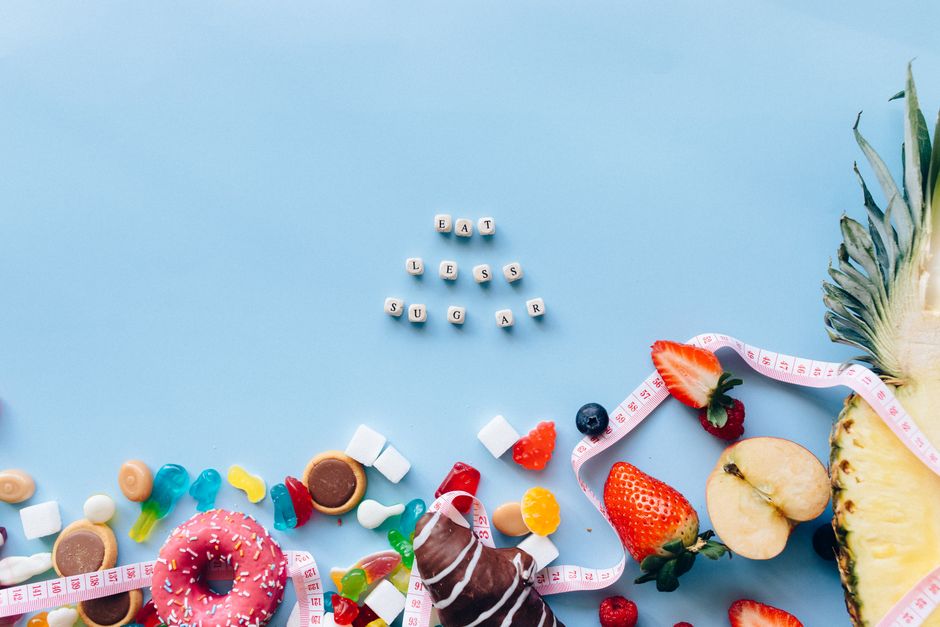
Choose portioned, shelf-stable snacks that children can manage without spoons, melting, or sticky wrappers: cut fruit prepared for their age, plain whole-grain crackers, lower-added-sugar cereal, and appropriately prepared protein foods. Keep perishable foods in a cooler at 40 F or below, check added sugars on labels, and supervise young children closely while they eat. The winning snack pack is organized, not expensive.
The common assumption is that a kid-friendly car snack must be sweet, individually wrapped, and bought at the last gas station. But the truth is that a workable pack comes from a few decisions made before the drive: choose food by safety and temperature first, portion it before the car starts moving, and use labels to screen out added sugar. That protects the budget and reduces the cleanup waiting at the next stop.
What snacks can kids eat in the car without making a mess?
The least messy car snacks are dry, pre-portioned foods and age-appropriate fruit or vegetables that do not require peeling, dipping, or utensils. Put each option in a small reusable container or bag rather than handing over the full package. That is not fussy packing; it prevents the back-seat avalanche of crumbs, wrappers, and uneaten food.
For toddlers, safety outranks convenience. The American Academy of Pediatrics recommends a balanced snack built from a protein food, a fruit and/or vegetable, and a grain or starchy vegetable. It also warns that big chunks and hard, round, or slippery foods can choke children under 4. Prepare food for the child in front of you, not the package photo.
| Snack type | Why it works in the car | Safety and packing note |
|---|---|---|
| Quartered small fruit | Portable and naturally sweet without needing a sticky coating | For young children, cut small round fruit into quarters; supervise while eating. |
| Plain crackers or lower-added-sugar cereal | Dry, easy to portion, and no cooler required | Choose a size and texture your child can safely manage. |
| Prepared protein food | Helps turn a snack into a more substantial pack | Use a cooler when it is perishable; avoid whole nuts and spoonfuls of peanut butter for young children. |
| Vegetable or fruit pieces prepared for age | Offers variety without a dip container | Cook or cut firm foods as needed to reduce choking risk. |
The NHS gives a concrete rule worth following: cut small round fruits, including grapes, cherries, berries, strawberries, and cherry tomatoes, into quarters. Whole nuts and popcorn are not suitable for children under 5 according to that guidance. A snack that looks tidy in a container is a poor choice if its shape creates a preventable hazard.
Pack the nonfood pieces at the same time: wipes for hands, one small trash bag for wrappers and scraps, and portion containers with secure lids. Keep the pack within reach of the adult passenger, not loose across the seat. Young children need supervision while eating; independent means they can handle their own age-appropriate portion, not that adults can stop paying attention.
What are healthy road trip snacks that do not need a cooler?
Healthy no-cooler road trip snacks are shelf-stable options with little or no added sugar, paired in small portions and checked for age-appropriate texture. Do not confuse “fruit-flavored” or “made with real fruit” with low added sugar. Turn the package around and read the Nutrition Facts label.
The FDA explains that the label lists both total sugars and added sugars; sugars naturally present in fruit, vegetables, and milk are not added sugars. This makes comparison faster at home or in a gas station: select the option with less added sugar when the serving size and food type are otherwise comparable.
For children younger than 2, the Dietary Guidelines for Americans say to avoid foods and beverages with added sugars. Starting at age 2, the guideline is less than 10% of calories per day from added sugars. The same guidelines set sodium below 2,300 mg per day for people age 2 and older, with a lower amount for children under 14. That does not require a spreadsheet in the parking lot. It means comparing labels before buying a multipack and treating very sweet or salty snack foods as the exception, not the default.
A practical three-zone packing plan
- No-cooler zone: Pack age-appropriate cut fruit, plain crackers, and lower-added-sugar cereal in individual portions. These are the first foods to reach for because they avoid temperature management.
- Cooler zone: Pack foods such as yogurt, cheese, eggs, or sandwiches only with a cold source. Keep this group separate from shelf-stable food so there is no guessing about what needs to be eaten first.
- Emergency gas-station zone: Use the Nutrition Facts label to compare added sugars, choose a manageable portion, and skip the oversized sweet snack display. Convenience is useful; paying for a sugar-heavy impulse pile is not.
Water is the cleanest default drink for the car. The AAP advises serving toddler snacks with water or milk and delaying juice until age 2. Sweetened drinks deserve special caution: the CDC reports that children and young adults ages 2 to 19 consumed an average of 17 teaspoons of added sugars per day in 2017-2018, and identifies sugar-sweetened beverages, desserts, and sweet snacks as leading sources.
What snacks will keep my child full on a long drive?
Snacks that keep a child full on a long drive combine a protein food, fruit or vegetable, and a grain or starchy food in an age-appropriate portion. This is the useful part of the AAP framework: it replaces an endless stream of single-food treats with a snack pack that contains more than a quick sweet taste.
Build the pack by age rather than buying separate specialty foods. For a toddler, use small portions and prepare every item for safe chewing and swallowing. The AAP gives an example of starting small, such as three quartered strawberries and one-eighth of a quesadilla, then letting the child signal whether more is needed. For school-age children, pack the same three-part structure in a larger portion they can open themselves. For adults, use the same approach and avoid raiding the kids’ supply before the first stop.
- Toddler pack: age-appropriately prepared fruit, a safely prepared protein food, and a grain or starchy food, plus water. Avoid whole nuts, popcorn, and spoonfuls of peanut butter.
- School-age pack: fruit or vegetables prepared to suit the child, a protein food, and crackers or another grain-based food in separate small containers.
- Adult pack: a larger version of the same combination, with perishable items held in the cooler and shelf-stable items ready for later.
Do not pack a cooler and then forget the temperature rules. The USDA Food Safety and Inspection Service calls 40 F to 140 F the Danger Zone, where bacteria can double in as little as 20 minutes. Perishable food should not stay unrefrigerated for more than 2 hours, or more than 1 hour above 90 F. Use ice, frozen gel packs, or another cold source, and keep cold food at 40 F or below.
Before leaving, make the snack plan part of the vehicle plan. A cooler, containers, wipes, trash bags, and water belong on the same checklist as the basics covered in this Walmart Oil Change: A Price and Service Checklist Before You Go. Small preparation prevents expensive roadside improvising.
Frequently Asked Questions
Which road trip snacks will not melt in the car?
Shelf-stable choices such as appropriately prepared fruit, plain crackers, lower-added-sugar cereal, and dry grain-based snacks will not melt in the way chocolate-coated or refrigerated foods can. Do not treat heat resistance as a safety pass for perishable foods: USDA says cold foods need a cooler with ice, frozen gel packs, or another cold source and must be kept at 40 F or below.
What foods should I avoid packing for a car trip with kids?
Avoid foods that are unsafe for a child’s age or difficult to eat in a moving vehicle, including whole nuts, spoonfuls of peanut butter, popcorn, and large, hard, round, or slippery pieces for young children. The AAP says these foods can be choking hazards for children under 4, while NHS guidance calls for cutting small round fruit into quarters and supervising young children while they eat.
Sources
- U.S. Department of Agriculture, Food Safety and Inspection Service: How Temperatures Affect Food
- American Academy of Pediatrics, HealthyChildren.org: Building Balanced Snacks to Feed to Toddlers
- NHS Best Start in Life: Preparing Food Safely
- Dietary Guidelines for Americans, 2020-2025 Executive Summary
- U.S. Food and Drug Administration: Added Sugars on the Nutrition Facts Label
- Centers for Disease Control and Prevention: Added Sugars
Read next
What Are 20 Cheap Snacks I Can Buy at the Grocery Store?
A practical guide to 20 affordable snack ideas, batch prep, food storage, and a flexible grocery list that reduces waste.
What Are Filling, Portable High-Protein, High-Fiber Snacks?
A practical guide to portable snacks with protein and fiber, including label checks, yogurt, and make-ahead peanut butter apple wraps.

How Do I Plan a Crowd-Pleasing Buffet Menu at Home?
Plan a balanced home buffet with portions, make-ahead dishes, dietary choices, and food-safety times and temperatures.
Store-Bought Snacks That Fit Your Budget, Goals, and Commute
Use a label-and-storage system to choose satisfying store-bought snacks for budgets, dietary goals, work, cars, and travel.