
What Are 20 Cheap Snacks I Can Buy at the Grocery Store?
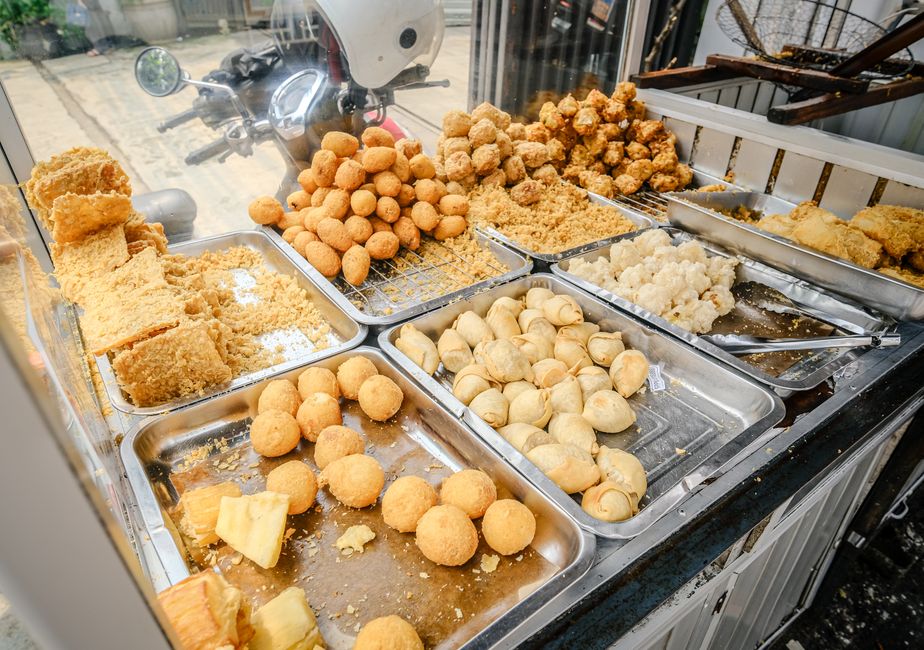
Build inexpensive snacks around apples, bananas, carrots, beans, lentils, oatmeal, plain yogurt, eggs, frozen vegetables, popcorn, and whole-grain staples. The American Heart Association identifies many of these foods as costing less than $1 per serving, and buying versatile ingredients instead of individually packaged snacks gives a household more combinations with less spoilage.
What are 20 cheap snacks I can buy at the grocery store?
Here are 20 inexpensive snack ideas, grouped by where they start in the store, so you can buy ingredients that pull double duty instead of filling the cart with one-note packages. The point is not to buy every item. Choose a few from each group and rotate the combinations.
| Section | Snack ideas | Why it earns a place |
|---|---|---|
| Pantry | 1. Oatmeal with banana 2. Oatmeal with apple 3. Beans with whole-grain crackers 4. Lentils with whole-grain crackers 5. Air-popped popcorn 6. Roasted chickpeas 7. Whole-grain toast with nut butter 8. Unsweetened dried fruit with nuts or seeds | Oatmeal, beans, lentils, popcorn, crackers, nuts, and seeds create sweet and savory choices from shelf-stable basics. |
| Produce | 9. Apple slices with peanut butter 10. Banana with nut butter 11. Baby carrots with hummus 12. Other vegetables with hummus 13. Pear wedges with cottage cheese 14. Fresh fruit with plain yogurt | Apples, bananas, and baby carrots are among the American Heart Association's under-$1-per-serving food ideas. |
| Refrigerated | 15. Plain yogurt with fruit 16. Plain yogurt with unsweetened dried fruit 17. Hard-cooked egg 18. Low-fat cheese with whole-grain crackers 19. Cottage cheese with pear | Plain yogurt and eggs bring protein to a snack plan without requiring a specialty product. |
| Freezer | 20. Warmed frozen mixed vegetables with beans or lentils | Frozen produce lasts longer than fresh produce and helps keep a snack option available when the produce drawer is empty. |
There is a reason this approach matters. USDA Economic Research Service data says U.S. food-at-home prices rose 2.3% in 2025 compared with 2024. That does not mean every snack has to be bland. It means the cart needs a job: each item should appear in more than one snack.
For a practical nutrition anchor, the American Heart Association reports that a large apple provides about 5.5 grams of dietary fiber, a large banana about 3.5 grams, and eight to 10 baby carrots about 2.5 grams. A half-cup of canned kidney beans provides about 7 grams each of protein and fiber; a half-cup of cooked lentils provides 9 grams of protein and 8 grams of fiber.
What snacks can I prep once and eat all week?
Prep washed and portioned produce, hard-cooked eggs, cooked lentils, roasted chickpeas, and popcorn once, then combine them differently through the week. The truth is that prep does not need to mean a refrigerator full of matching containers; it means making the next snack easier than opening an expensive single-serving package.
- Make a grocery list and decide which combinations the ingredients will cover before shopping. The American Heart Association recommends menus and lists to reduce impulse purchases.
- Wash and portion apples, carrots, pears, and other produce into ready-to-eat household servings. It recommends cutting fruit and vegetables into individual portions and refrigerating them for convenient snacks.
- Prepare hard-cooked eggs for early-week snacks. FoodSafety.gov says they can be refrigerated for 1 week when the refrigerator stays at 40°F (4°C) or below.
- Cook lentils or roast chickpeas, then use them promptly and store prepared foods safely. FoodSafety.gov lists 3 to 4 days for egg, chicken, ham, tuna, and macaroni salads, as well as cooked meat or poultry leftovers and soups or stews.
Do not confuse convenience with value. The American Heart Association advises skipping prepared, individually packaged food because preparing the same foods at home is usually healthier and cheaper. That is the useful trade: do a modest amount of chopping and portioning once, then avoid paying repeatedly for packaging.
Keep frozen vegetables as the backstop. The association notes that frozen and canned produce without added sugar or excess sodium can be stocked when on sale, while canned, frozen, and dried produce lasts longer than fresh choices and can reduce spoilage risk. Freeze at 0°F (-18°C) or below; FoodSafety.gov says food kept continuously frozen at that temperature can be held indefinitely for safety, although quality guidance still matters.
How can I buy snacks on a budget without getting bored?
Buy snacks on a budget without boredom by changing the pairing, texture, and temperature while keeping the ingredient list short. An apple is not only an apple: pair it with peanut butter one day, serve it beside plain yogurt another day, or use it with oatmeal. That is variety without a second cart full of specialty snacks.
Use a three-part rotation: choose fruit or vegetables for the base, add a protein option such as yogurt, eggs, beans, or lentils, then change the crunchy or warm element with popcorn, whole-grain crackers, toast, nuts, or seeds. The American Heart Association lists apple slices with peanut butter, vegetables with hummus, roasted chickpeas, air-popped popcorn, whole-grain crackers, yogurt with fruit, and low-fat cheese among its snack suggestions.
Packaged snacks are not automatically a bad choice, but buying them without reading the label is a waste of money and information. American Heart Association snack guidance directs shoppers to check serving size, calories, added sugars, and sodium on the Nutrition Facts label. Compare products by the serving actually listed, not by the size of the bag.
Use the same planning discipline across the household budget. Food spending competes with housing, utilities, and other fixed bills; households working through shared costs can also use this site's guide on splitting rent and utilities fairly to make the full monthly plan clearer. Start the next grocery list with four produce choices, a few pantry staples, one refrigerated protein, and one freezer backup. Then assign every item to at least two snack ideas before checkout.
Frequently Asked Questions
What are inexpensive snacks for adults and kids?
Apples, bananas, baby carrots, plain yogurt, hard-cooked eggs, popcorn, beans, and oatmeal can work for adults and kids because they can be served in familiar sweet or savory combinations. The American Heart Association lists many of these foods among options costing less than $1 per serving. Portioning fruit and vegetables at home avoids the extra cost of individual packages.
Which cheap snacks have protein, fruit, or fiber?
Plain yogurt, eggs, beans, and lentils provide protein, while apples, bananas, carrots, beans, lentils, and frozen vegetables provide fiber. A large apple has about 5.5 grams of fiber, a half-cup of cooked lentils has 9 grams of protein and 8 grams of fiber, and a large egg has about 6 grams of protein. Pairing one protein choice with fruit or vegetables creates a more varied snack rotation.
Sources
Read next
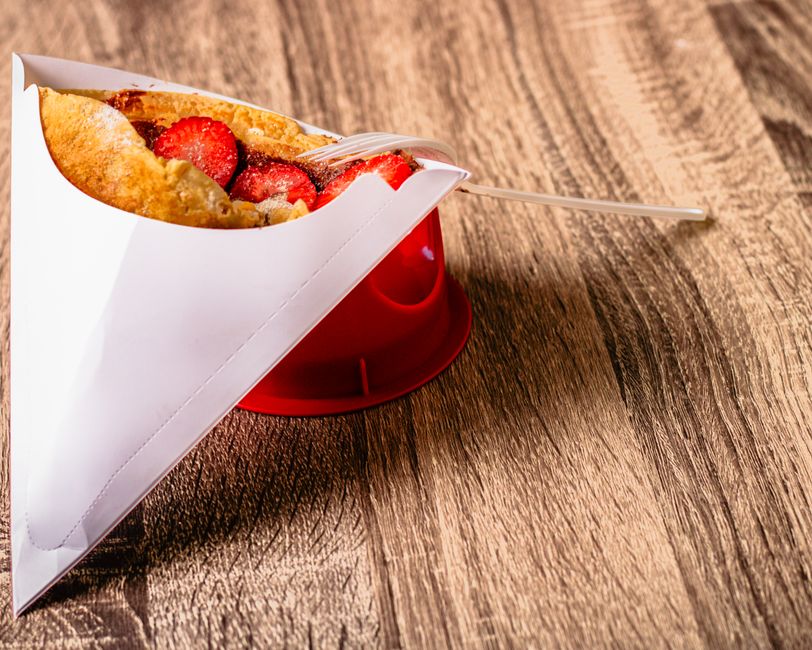
What Are Filling, Portable High-Protein, High-Fiber Snacks?
A practical guide to portable snacks with protein and fiber, including label checks, yogurt, and make-ahead peanut butter apple wraps.
What Are the Best Mess-Free, Lower-Sugar Road Trip Snacks for Kids?
A practical guide to age-appropriate, lower-sugar road trip snacks, cooler safety, portioning, and fast gas-station choices.

How Do I Plan a Crowd-Pleasing Buffet Menu at Home?
Plan a balanced home buffet with portions, make-ahead dishes, dietary choices, and food-safety times and temperatures.
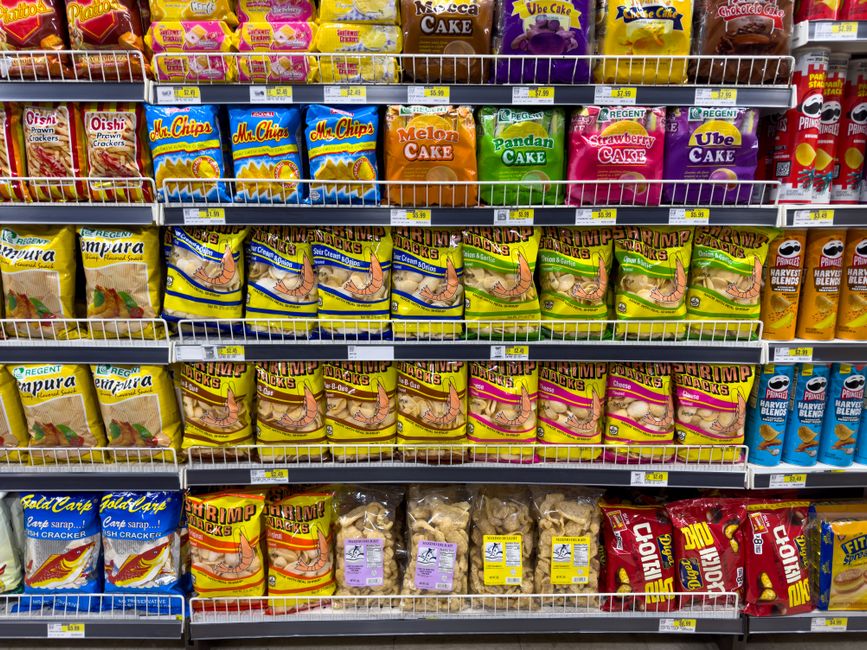
Store-Bought Snacks That Fit Your Budget, Goals, and Commute
Use a label-and-storage system to choose satisfying store-bought snacks for budgets, dietary goals, work, cars, and travel.