
Choose Filling Store-Bought Snacks With a 5-Point Label Check
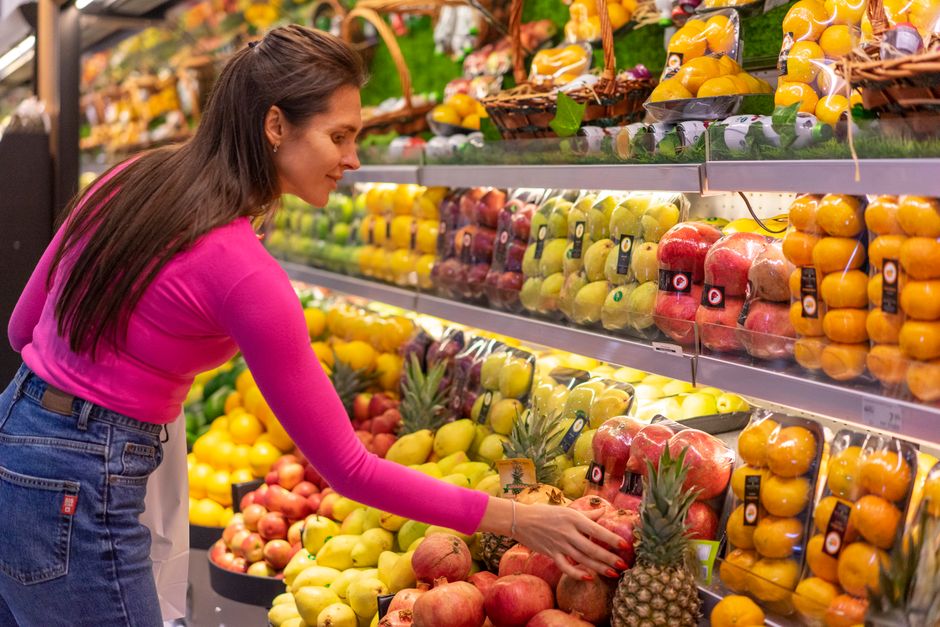
Choose store-bought snacks by checking the serving size first, then comparing protein and fiber, added sugars, saturated fat, and sodium. A practical shortlist favors foods with meaningful protein and fiber, ingredients that fit nutrient-dense food categories, a format you will carry and eat, and a price you can sustain. Pairing carbohydrate foods with protein- or fat-containing foods creates a more satisfying snack decision.
What are the best store-bought snacks that actually keep you full?
The best store-bought snack is the one whose label gives you protein and fiber to compare, whose food category fits your preferences, and whose package fits the moment. “Healthy” is a marketing word. A satisfying snack is a label-based decision.
The 2020-2025 Dietary Guidelines for Americans names fruits, vegetables, whole grains, seafood, eggs, beans, peas, lentils, unsalted nuts and seeds, low-fat dairy, and lean meats and poultry as nutrient-dense options. That gives shoppers useful categories rather than a rigid product list: fruit or a whole-grain item for a sweet or crunchy preference; beans, nuts, seeds, eggs, or dairy for savory or refrigerated preferences.
Protein is one comparison signal. Fiber is another. In a randomized crossover study published through PubMed, a 160-calorie beverage with 17 grams of protein and 6 grams of fiber reduced hunger and desire to eat more than an equal-calorie beverage with 1 gram of protein and 3 grams of fiber. That does not establish a required snack formula. It does show why the two numbers deserve attention together.
A second PubMed randomized crossover study compared a 14-gram-protein yogurt snack with crackers and chocolate, each providing 160 calories. The yogurt reduced afternoon hunger more than chocolate and delayed the request for dinner compared with chocolate; it also delayed it compared with crackers. The actionable point is narrower than a product endorsement: when choosing among similarly sized snacks, compare the protein line rather than assuming a sweet, salty, or crunchy package will carry you through the afternoon.
| Option category | Who it suits | Cost | Key limitation |
|---|---|---|---|
| Fruit or vegetables | Sweet or crunchy preferences | not published | Protein and fiber amounts depend on the specific item and serving |
| Beans | Savory, low-prep snack planning | not published | Check sodium; USDA recommends no-added-salt canned beans when available |
| Unsalted nuts and seeds | Crunchy, shelf-stable preferences | not published | Compare the package serving size before treating a package as one serving |
| Low-fat dairy or eggs | Refrigerated snack preferences | not published | Protein and fiber amounts depend on the specific item and serving |
| Whole-grain foods | Crunchy or shelf-stable preferences | not published | Compare added sugars, sodium, protein, and fiber on the label |
How much protein and fiber should a packaged snack have?
There is no universal protein-and-fiber requirement for a snack, but the FDA’s Daily Value system gives you a consistent comparison tool: 20% Daily Value is high, which equals 10 grams of protein and 5.6 grams of dietary fiber.
According to the U.S. Food and Drug Administration’s Daily Value guidance, 5% Daily Value or less is low and 20% or more is high. The Daily Values are 50 grams for protein and 28 grams for fiber. Use those figures as a ruler, not as a pass-fail test: a snack does not need to hit both high marks to be useful, but the comparison reveals which packages contribute more of each nutrient per labeled serving.
This is where pairing becomes practical. A carbohydrate-centered choice can be assessed alongside a protein- or fat-containing food category, such as whole grains with unsalted nuts and seeds, or fruit with low-fat dairy. The point is not to manufacture a perfect snack. The point is to avoid buying a package on a claim while overlooking the nutrient lines that help you compare it.
- Set the comparison unit. Compare one labeled serving with one labeled serving, not one package with another package.
- Read protein and fiber together. Higher figures can be useful signals when the options otherwise fit your needs.
- Read the limiting nutrients next. The FDA advises choosing foods lower in saturated fat, sodium, and added sugars.
- Choose the format you will use. Shelf-stable foods solve a different problem from refrigerated foods; portability is part of the purchase decision.
What should I look for on a snack nutrition label?
Look first at serving size and servings per container, then use the Daily Value percentages to compare protein, fiber, added sugars, saturated fat, and sodium before relying on any wellness claim.
The FDA’s Nutrition Facts guidance makes the first step explicit: the serving size reflects what people typically eat or drink; it is not a recommendation for how much to eat. Every calorie and nutrient figure belongs to that serving. If you eat two servings, you double the listed amounts. The FDA’s own example makes this concrete: 15 grams of protein and 4 grams of fiber per serving become 30 grams and 8 grams for two servings.
Next, separate total sugars from added sugars. Total sugars include naturally occurring and added sugars, while added sugars are listed within total sugars. Then scan the nutrients the FDA identifies as ones to get more of, including dietary fiber, and those to limit, including saturated fat, sodium, and added sugars.
Ingredients are a preference-and-fit check, not a substitute for the panel. Use the Dietary Guidelines’ nutrient-dense categories to decide whether the food fits your usual pattern, cultural preferences, allergies, and preparation limits. Public data in the supplied sources do not publish a universal ingredient-list rule, an allergy-safe product list, or current store prices. That is why the most reliable budget method is repeatable comparison: use the same label checklist across the options available to you.
For beans, the USDA WIC Works Resource System offers a particularly useful low-prep route. Canned beans are already cooked, and USDA recommends no-added-salt canned beans when available; rinsing and draining can reduce sodium. Dried beans have a long shelf life, and one cup of dried beans yields about three cups once cooked. Those are different convenience trade-offs, so choose the form that your schedule can support.
Use this five-point check on the next shopping trip: serving size, protein, fiber, limiting nutrients, and format-plus-budget. It is a small system, but it prevents the familiar outcome of buying a snack for its promise and needing another snack soon after.
Frequently Asked Questions
Which packaged snacks are good for work or travel?
Shelf-stable options built around unsalted nuts and seeds, beans, or whole-grain foods can suit work or travel when their labels fit your sodium, added-sugar, protein, and fiber priorities. The Dietary Guidelines identify these as nutrient-dense food categories, while USDA notes that canned beans are already cooked and convenient. Check the serving count before packing any option, since one package may contain more than one labeled serving.
Are protein bars a healthy snack option?
A protein bar cannot be classified from its front label alone. Compare its protein and fiber with its added sugars, saturated fat, sodium, and serving size using the Nutrition Facts panel. The research in this guide supports protein and fiber as useful comparison signals, not a universal rule that every protein bar is the right choice.
What are savory store-bought snacks besides chips?
Beans, unsalted nuts and seeds, eggs, low-fat dairy, seafood, lean poultry, and vegetables are nutrient-dense categories that can support savory snack choices, according to the Dietary Guidelines. For a low-prep option, USDA says canned beans are already cooked; choose no-added-salt versions when available, and rinse and drain them to reduce sodium.
Sources
- U.S. Food and Drug Administration: How to Understand and Use the Nutrition Facts Label
- U.S. Food and Drug Administration: Daily Value on the Nutrition and Supplement Facts Labels
- PubMed: Protein and Fiber Beverage Preload Study
- PubMed: High-Protein Yogurt Afternoon Snack Study
- Dietary Guidelines for Americans, 2020-2025
- USDA WIC Works Resource System: Beans