
How Can I Turn Fresh Oranges Into Quick Sweet and Savory Breakfasts?
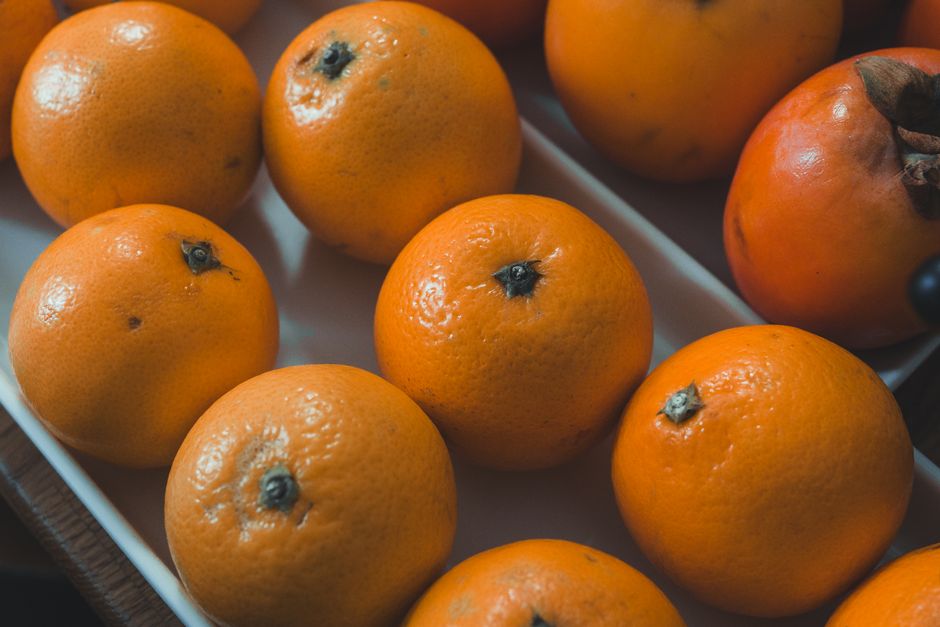
Turn fresh oranges into fast breakfasts by using the fruit in two tracks: add cold segments at the last minute for clean texture, or use finely grated outer zest and a small amount of juice in make-ahead baking. Pair oranges with whole grains and protein-containing foods, remove all white pith to avoid bitterness, and refrigerate cut fruit if it will sit longer than 2 hours.
Is it good to eat an orange for breakfast?
Yes, an orange can be a useful breakfast component, particularly when it is paired with foods that make the meal more substantial. The National Institutes of Health Office of Dietary Supplements reports that one medium orange provides 70 mg of vitamin C, or 78% of the Daily Value. A raw 140 g Navel orange also provides 64 calories, 3.4 g of dietary fiber, 1.4 g of protein, and 12% of the Daily Value for folate, according to University of California Agriculture and Natural Resources.
Fruit is the bright element. Protein and whole grains are the structure. Treating those as separate jobs makes breakfast planning easier: oranges supply fresh flavor and vitamin C, while a whole-wheat muffin, oats, dairy, nuts, seeds, or fortified cereal gives the meal a more complete base.
This pairing has a second advantage. NIH notes that vitamin C improves absorption of nonheme iron, the form found in plant foods. That makes orange segments alongside oatmeal, nuts, seeds, or fortified cereal a purposeful combination rather than a decorative one.
USDA MyPlate offers a useful model: mandarin slices on a whole-wheat English muffin with fat-free cream cheese. Its recipe calls the combination a quick breakfast or snack and lists 9 g of protein and 5 g of dietary fiber per serving. For a broader routine, connect this approach with a senior-friendly meal system for living alone: keep a repeatable grain-and-protein base available, then rotate the fruit.
What can I make with oranges besides orange juice?
You can make no-cook bowls, savory citrus salads, toast toppings, smoothies, baked oatmeal, muffins, and a make-ahead orange topping instead of relying on juice. The practical distinction is texture: cold segments belong on food at the end, while zest belongs in mixtures that will be baked or cooked.
| Breakfast format | Orange method | Prep system |
|---|---|---|
| Yogurt bowl | Segment orange and add at serving | Keep yogurt, grains, and orange separate until breakfast |
| Oatmeal or baked oatmeal | Use zest in the oats; add segments after cooking | Bake a portion ahead and refrigerate fruit separately |
| Whole-wheat toast or English muffin | Top with orange sections and cream cheese | Toast first, then assemble so the bread stays firm |
| Savory grain-and-orange salad | Fold segments in at the end | Prepare the grain base ahead; add citrus before eating |
| Smoothie | Blend peeled orange with the pith removed | Use whole fruit rather than treating juice as the only citrus option |
| Muffins | Use finely grated zest in the batter | Bake ahead and use fresh fruit separately when desired |
Use a three-part breakfast formula when decision fatigue is the problem: base, protein, orange. A whole grain is the base. Cream cheese, yogurt, or another protein-containing breakfast food is the protein element. Segments or zest deliver the orange. The formula is flexible enough to be sweet or savory without requiring a separate recipe each morning.
For a sweet no-cook option, layer yogurt, orange segments, and a grain-based topping. For a savory option, combine a prepared whole grain with orange sections and a protein-containing dairy element, then add the orange immediately before eating. The goal is not a complicated citrus recipe. The goal is a dependable assembly system that does not leave a wet bowl or soggy bread.
For make-ahead cooking, use orange zest in muffins or baked oatmeal, then reserve fresh sections for the day you eat them. NIH explains that vitamin C is water soluble and susceptible to heat, so prolonged storage and cooking can reduce a food's vitamin C content. That does not make baked orange dishes a poor choice; it means fresh orange is the better route when vitamin C is the priority, while baked recipes are the better route when convenience is the priority.
How do I use orange zest in breakfast baking without making it bitter?
Use only the thin, colored outer peel for zest and stop before reaching the white pith. University of California Agriculture and Natural Resources recommends removing only the outer 1/16 to 1/8 inch of peel and avoiding the white, bitter albedo. This is the key threshold: zest is flavor; pith is the source of bitterness.
- Wash the orange and dry its surface. A dry peel is easier to grate cleanly into a bowl or directly over batter.
- Grate lightly across the colored surface. Move to a new spot as soon as white shows through rather than digging deeper into one area.
- Mix the zest into batter or dry ingredients. University of California Agriculture and Natural Resources specifically identifies home-dried orange peel as a flavoring for breads, baked items, cooked cereals, granola, salads, stuffings, and milkshakes.
- Separate zest work from segment work. Zest first, then peel the orange and remove white tissue before sectioning if fresh fruit is also on the menu.
The National Center for Home Food Preservation gives the same bitterness control in its tested orange-sectioning method: wash and peel the fruit, then remove the white tissue. Its instruction is direct: remove white tissue to prevent a bitter taste. This step matters in smoothies, citrus salads, and make-ahead fruit toppings as much as it does in preserved sections.
Sogginess has a different cause and a different fix. Cut fruit releases juice over time. University of California Agriculture and Natural Resources advises covering and refrigerating cut or segmented oranges when they will not be eaten within 2 hours, and says they last about 1 to 2 days under refrigeration. Keep the oranges in their own covered container, then add them to yogurt, oatmeal, or toast at the table.
Frequently Asked Questions
Can I prepare orange breakfast recipes the night before?
Yes. Prepare baked oatmeal, muffins, or a cooked orange topping ahead, but keep fresh orange segments covered and refrigerated if they will not be eaten within 2 hours. The University of California Agriculture and Natural Resources says refrigerated cut or segmented oranges last about 1 to 2 days, so add them near serving time for the best texture.
What breakfast foods pair well with fresh oranges?
Whole-grain English muffins with cream cheese are one documented combination: USDA MyPlate uses mandarin orange slices with a whole-wheat English muffin and fat-free cream cheese. Oats, nuts, seeds, and fortified cereal also make practical partners because vitamin C improves absorption of nonheme iron from plant foods, according to the National Institutes of Health Office of Dietary Supplements.
Can I add oranges to oatmeal, yogurt, or smoothies?
Yes. Add segmented oranges to oatmeal or yogurt immediately before eating so their juice does not thin the base. For smoothies, use peeled fruit with the white tissue removed when bitterness is a concern; for baked or cooked oatmeal, orange zest provides citrus flavor without relying on fresh segments.
Use the system for the next breakfast: zest one orange for a make-ahead batch, segment another for one or two cold meals, and store the segments separately. That small division of labor addresses bitterness, sogginess, and excess prep before they become reasons to leave the oranges unused.