
How Can I Replace Packaged Salty, Sweet, and Crunchy Snacks?
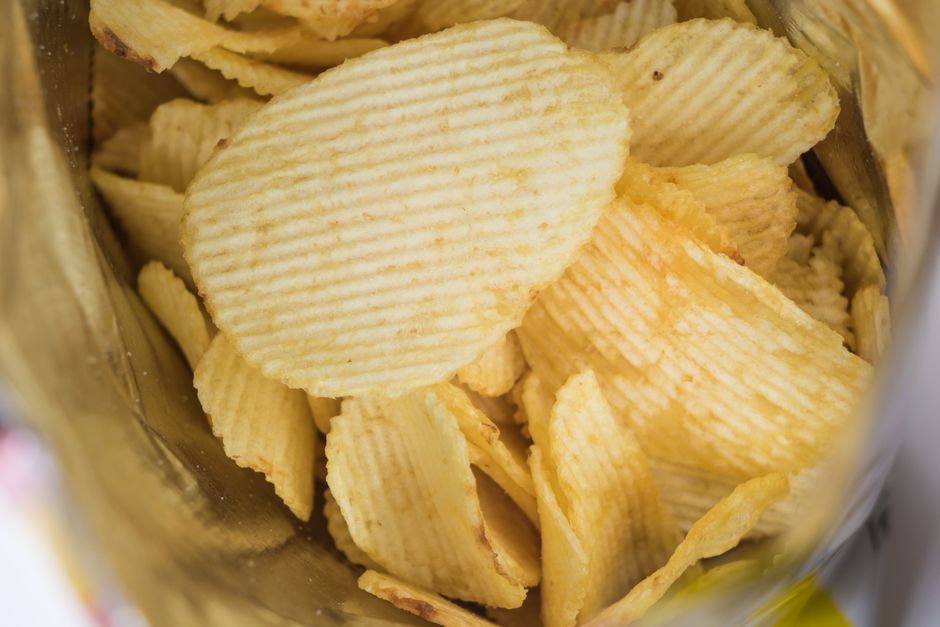
Replace packaged salty, sweet, and crunchy snacks by matching the craving rather than trying to ignore it: use air-popped popcorn, roasted chickpeas, vegetables with low-sodium hummus, fruit, plain yogurt with fruit, or unsalted nuts. Build each snack around a satisfying texture plus fiber, protein, or fat, then use the Nutrition Facts label to compare sodium, added sugars, and serving size.
The goal is not to make snacking joyless. The goal is to make the convenient choice more deliberate. A 2023 scoping review of U.S. adult snacking found that snacks contribute approximately 20% of energy intake, and that convenience and time of day matter. That points to a practical system: decide what sensation you want, keep an appropriate alternative available, and compare packaged options with the same short checklist.
What can I eat instead of chips when I want something crunchy?
When you want chips, choose a food that delivers crunch first, then add flavor or a dip that fits the craving. The American Heart Association recommends raw vegetables with low-sodium hummus or tzatziki, roasted chickpeas, air-popped popcorn, whole-grain crackers, and unsalted nuts and seeds as crunchy snack options.
Crunch is the texture. Satisfaction is the combination of texture and staying power. A bowl of air-popped popcorn can meet the crisp, hand-to-mouth part of a chip craving; roasted chickpeas bring a firmer bite; vegetables with hummus add crunch alongside a creamy element. There is no need to pretend these foods are identical to chips. They solve the more useful problem: giving the craving a specific answer rather than leaving a gap.
| Craving | Minimally processed direction | How to make it satisfying |
|---|---|---|
| Salty and crisp | Air-popped popcorn | Portion it into a bowl before eating. |
| Dense crunch | Roasted chickpeas or unsalted nuts | Pair with fruit or vegetables if you want a larger snack. |
| Crunch with dip | Raw vegetables with low-sodium hummus or tzatziki | Prepare the vegetables ahead of the moment you are hungry. |
| Cracker-style snack | Whole-grain crackers | Use a topping such as low-sodium tuna or salmon, as the American Heart Association suggests. |
Nuts deserve a clear boundary because they are easy to eat without noticing. The American Heart Association’s guidance on nuts defines a serving as a small handful or 1 ounce of whole nuts, or 2 tablespoons of nut butter. Choose unsalted nuts, and compare nut butters for lower sodium and no added sugars or tropical oils when possible.
What are healthy alternatives to processed snack foods?
Healthy alternatives to processed snack foods are foods with a recognizable base ingredient and a clear role in your craving plan: fruit for sweetness, vegetables and hummus for crunch and creaminess, plain yogurt with fruit for a cool creamy snack, and whole-grain toast with nut butter for a more filling option.
The useful distinction is not “perfect food” versus “bad food.” It is default food versus occasional food. A default snack is one you can keep on hand and reach for repeatedly. An occasional snack may still be enjoyable, but it does not need to be the only answer when hunger, boredom, or an afternoon routine arrives.
The evidence gives that distinction some weight. In a randomized controlled inpatient study of 20 adults, the National Institutes of Health found participants ate about 500 more calories per day on an ultra-processed diet than on a minimally processed diet. The diets were matched for offered calories, macronutrients, sugar, sodium, and fiber, yet participants ate more and faster on the ultra-processed diet. The NIH’s minimally processed breakfast of oatmeal, bananas, walnuts, and skim milk offers a usable pattern: combine a grain or fruit with a source of fat or protein rather than treating a snack as texture alone.
Use this three-part assembly method when stocking snacks:
- Name the craving. Is it salty, sweet, crunchy, or creamy?
- Choose the base. Use popcorn, fruit, vegetables, plain yogurt, whole-grain crackers, nuts, or chickpeas.
- Add the missing element. Add fruit to yogurt, hummus to vegetables, or nut butter to whole-grain toast when the base alone does not feel substantial.
This same approach can support the rest of the day. For a morning routine that emphasizes a filling combination, see How Can I Build a Healthy Breakfast That Actually Keeps Me Full?.
For packaged choices, use a four-item label check. The FDA sets Daily Values of 2,300 mg for sodium, 50 g for added sugars, and 28 g for dietary fiber on a 2,000-calorie diet. Check the serving size before comparing anything else. The FDA’s sample label shows that two servings containing 850 mg of sodium each add up to 1,700 mg, or 74% of the Daily Value, which is why package size and serving size are not interchangeable.
How can I replace candy with a snack that still feels satisfying?
Replace candy with a snack that keeps the sweet flavor but changes the format: try raw or baked apples with cinnamon, fruit salad, frozen banana slices or grapes, unsweetened dried fruit, or plain low-fat yogurt with fruit. The American Heart Association specifically lists these as sweet snack alternatives.
Sweetness is the cue. Added sugar is not the only way to answer it. Frozen grapes and banana slices provide a cold, slow-to-eat option; apples with cinnamon provide a sweeter aroma and a firmer bite; yogurt with fruit brings creaminess alongside the fruit. Rotate the formats so the plan does not depend on one food being available every day.
When choosing dried fruit or a packaged fruit-based snack, the label still matters. The FDA identifies added sugars as a nutrient to get less of, with a Daily Value of 50 g on a 2,000-calorie diet. Compare similar products side by side, starting with serving size and then added sugars. This is not a demand to eliminate sweets; it is a method for seeing what the package is actually offering.
A broader review supports the reason for this swap. A systematic review and meta-analysis published in PubMed reported that higher ultra-processed food intake correlated with higher free sugars, total fat, and saturated fat, and with lower fiber and protein among other nutrients. Confectionery and sugar-sweetened beverages were the most consumed ultra-processed items in the North American data included in the review. The practical implication is modest but useful: make fruit, yogurt, nuts, and pantry staples visible before the candy bowl becomes the automatic option.
Frequently Asked Questions
Which store-bought snacks are less processed?
Options named by the American Heart Association include air-popped popcorn, whole-grain crackers, unsalted nuts and seeds, roasted chickpeas, and plain low-fat yogurt with fruit. Compare the Nutrition Facts label rather than relying on front-of-package language: check serving size, sodium, added sugars, and dietary fiber. The FDA identifies sodium and added sugars as nutrients to get less of and fiber as one to get enough of.
How do I make healthy snack swaps without feeling deprived?
Do not replace a crunchy craving with an unrelated food and expect it to feel equivalent. Keep the desired sensation, such as crunch from popcorn or roasted chickpeas, sweetness from fruit, or creaminess from plain yogurt, while adding a more filling component. Preparing several visible, ready-to-eat options makes the choice easier when convenience matters.
Start with one craving category this week, not every snack at once. Put two alternatives where the packaged snack normally sits, portion nuts before eating, and use the four-item label check for new purchases. That is a repeatable system, not a test of willpower.
Sources
- National Institutes of Health: NIH Study Finds Heavily Processed Foods Cause Overeating and Weight Gain
- U.S. Food and Drug Administration: How to Understand and Use the Nutrition Facts Label
- American Heart Association: Healthy Snacking
- American Heart Association: Go Nuts, But Just a Little
- PubMed: Ultra-Processed Foods and Nutritional Dietary Profile
- PubMed: Snacking Consumption among Adults in the United States