
What Are Simple Appetizer Recipes for Any Gathering?
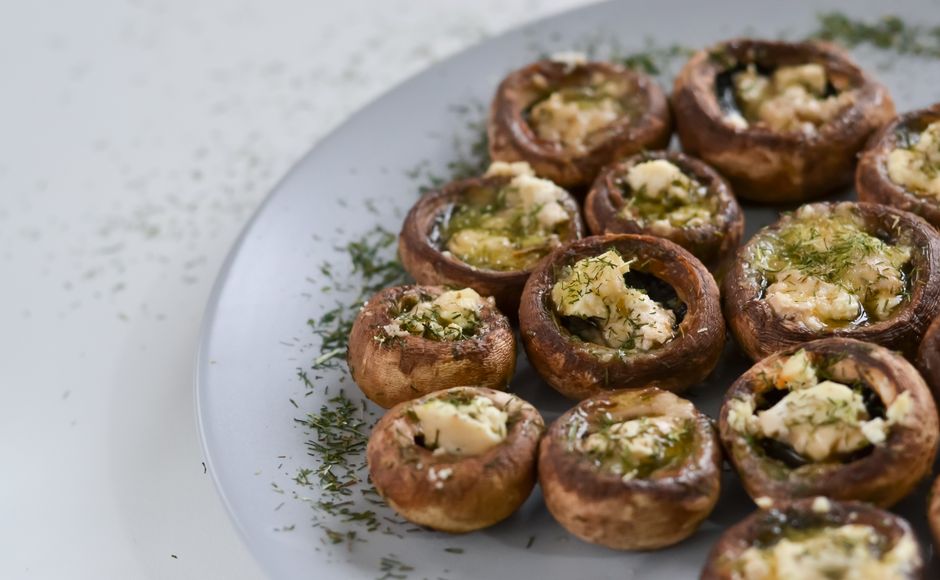
Simple appetizer recipes use a short ingredient list and a few clear steps: assemble a bread-and-dip board, make caprese bites, serve seasoned beans or vegetables, or prepare quick warm bites. Choose by available time and serving temperature, then plan portions according to whether guests are eating dinner afterward. Keep perishable foods cold or hot, and offer clearly labeled options for different dietary needs.
What are the simplest appetizers to make for guests?
The simplest appetizers to make for guests are those built from ready-to-serve ingredients, with little chopping and no complicated timing. Match the recipe to your available time, equipment, and whether you need a cold or warm option.
Use this seven-recipe collection as a menu, not a demand to make all seven. Most are easy to scale by putting components on a platter or serving them in small portions.
- Bread-and-dip board: Arrange bread or crackers with a dip and sliced vegetables. For a gluten-free option, set out labeled gluten-free crackers or vegetable dippers separately.
- Caprese bites: Pair cherry tomatoes with mozzarella and basil on small picks. For dairy-free guests, offer tomato-and-basil picks without cheese on a separate plate.
- Seasoned bean bowl: Drain and season canned beans with oil, herbs, or spices, then serve with vegetables or crackers. Beans make a vegetarian option; check labels on packaged ingredients for allergens.
- Crunchy vegetable platter: Slice sturdy vegetables and serve with a dip. Keep the dip separate, with a dairy-free alternative if needed.
- Pantry olive and nut bowl: Put ready-to-eat olives in a bowl, and offer nuts only as a separately labeled option because they are a major allergen.
- Quick quesadilla wedges: Warm tortillas with cheese in a pan, cut into small pieces, and serve salsa on the side. Use a suitable dairy-free cheese or omit cheese; choose a gluten-free tortilla when needed.
- Warm seasoned chickpeas: Heat canned chickpeas with seasoning in a pan and serve warm. This is a plant-based option; check packaged seasonings and keep the serving small and replenished.
For a fuller party menu with more last-minute options, see 25 Quick and Easy Game Day Appetizers: What Can I Make?. The useful distinction is assembly versus cooking: the first five recipes can be served cold or at room temperature when food-safety rules allow, while quesadilla wedges and chickpeas need heat and timing.
What are five good appetizers that are easy to prepare?
Five good easy appetizers are a bread-and-dip board, caprese bites, seasoned beans, a vegetable platter, and quesadilla wedges. Together, these cover a no-cook spread, a fresh bite, a pantry-based choice, a vegetable-forward option, and a warm snack.
Choose three or four to avoid unnecessary prep and cleanup. For a no-oven gathering, use the bread board, caprese bites, beans, and vegetables; add warm chickpeas from a stovetop pan if desired. If the oven is occupied, a pan or slow cooker can handle warm options, while cold items stay chilled until serving.
Portion planning depends on whether appetizers precede a meal or replace one. The University of California, Irvine Special Events catering guidelines recommend 4–6 hors d’oeuvres per person per hour for a pre-meal cocktail hour. For a standalone cocktail reception, they recommend 5–7 pieces per person per hour plus 1–2 stationary displays.
| Gathering | Planning guide | How to use it |
|---|---|---|
| Snacks before a meal | 4–6 pieces per person per hour | Use the lower or upper end according to the planned duration and spread. |
| Appetizers as the event’s food | 5–7 pieces per person per hour, plus 1–2 stationary displays | Offer enough variety to function as the meal; tailor the menu to guests and occasion. |
These are guidelines for cocktail events, not a universal serving formula. The University of Minnesota Extension advises tailoring quantities to the occasion, whether the food is the main meal, and dietary concerns. It also notes that a more complex menu takes more preparation, service, and cleanup, so a small set of versatile recipes can be the more manageable choice.
What easy appetizers can I make in five minutes?
In five minutes, make the bread-and-dip board, caprese bites, or a bowl of seasoned ready-to-eat olives. These rely on arranging or combining prepared ingredients rather than cooking from scratch.
For the board, place the dip in the center and group bread, crackers, and vegetables around it. For caprese bites, assemble tomato, basil, and mozzarella on picks; keep a dairy-free version separate. For olives, serve them with toothpicks and add a distinct bowl of nuts only if you can label and separate it.
Make-ahead work should focus on components: wash vegetables, chill dips, and portion ingredients in advance. Keep bread, crackers, and other crisp bases apart from wet toppings and dips until the last moment. That small sequencing change protects texture without adding much work.
What simple appetizers can I make in ten minutes?
In ten minutes, make warm quesadilla wedges, seasoned chickpeas, or a more complete vegetable platter with dip. The extra time allows heating or a little more assembly, without needing an oven.
For quesadillas, warm a tortilla with cheese in a pan, turn or fold as needed, then cut into bite-sized wedges. Serve salsa separately so the tortillas do not soften. For chickpeas, warm drained beans in a pan with seasoning and serve in a small bowl; make a fresh batch or replenish a small serving rather than leaving a large quantity out.
Food safety is part of a no-oven plan. FoodSafety.gov says perishable food should not sit at room temperature for more than 2 hours, or 1 hour when the temperature is above 90°F, unless it is kept cold below 40°F or hot above 140°F. Keep cold dishes in bowls of ice or serve small trays and replace them often; hold hot food above 140°F in a slow cooker, warming tray, or chafing dish. Reheat food prepared ahead to at least 165°F.
Dietary planning also benefits from a system. The University of Minnesota Extension recommends asking about allergies in advance, separating and labeling allergen-containing foods, and using separate utensils to reduce cross-contact. FoodSafety.gov identifies milk, eggs, fish, shellfish, tree nuts, peanuts, wheat, soybeans, and sesame as the nine major food allergens; packaged-food labels identify major allergens, but hosts should communicate ingredients in unpackaged foods too.
Frequently Asked Questions
Which simple appetizers can I prepare ahead without getting soggy?
Prepare dips, wash and cut sturdy vegetables, portion toppings, and chill ingredients separately. Assemble bread, crackers, and other crisp bases shortly before serving so moisture does not soften them. Keep prepared cold foods at or below 40°F until serving.
How many appetizer portions should I plan per person?
For a pre-meal cocktail hour, UC Irvine recommends 4–6 pieces per person per hour. For a standalone cocktail reception, it recommends 5–7 pieces per person per hour plus 1–2 stationary displays; increase the total with the event’s length and remember that these are reception recommendations, not a fixed rule for every gathering.
What easy appetizers can I serve to guests with different dietary needs?
Offer a mix of vegetarian or vegan choices and serve dips, toppings, and allergen-containing foods separately when practical. Ask guests about allergies in advance, label ingredients, and use separate serving utensils to reduce cross-contact. Check packaged-food labels and communicate ingredients for unpackaged foods.
Sources
- University of California, Irvine Special Events — Catering Guidelines
- FoodSafety.gov — Food Safety Tips for Catered and DIY Wedding Food
- University of Minnesota Extension — Food Safety Tips for the Holidays
- FoodSafety.gov — Avoiding Food Allergy Reactions
- University of Minnesota Extension — Planning the Quantity of Food for an Occasion
Read next
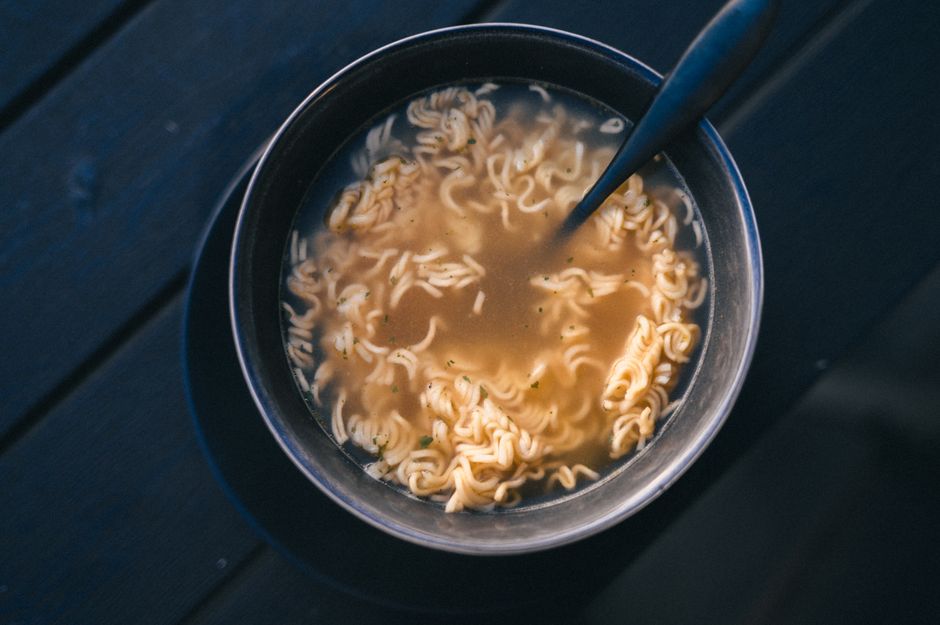
25 Quick and Easy Game Day Appetizers: What Can I Make?
These 25 game day appetizers include no-cook, make-ahead, and hot options ready in 10, 20, or 30 minutes.
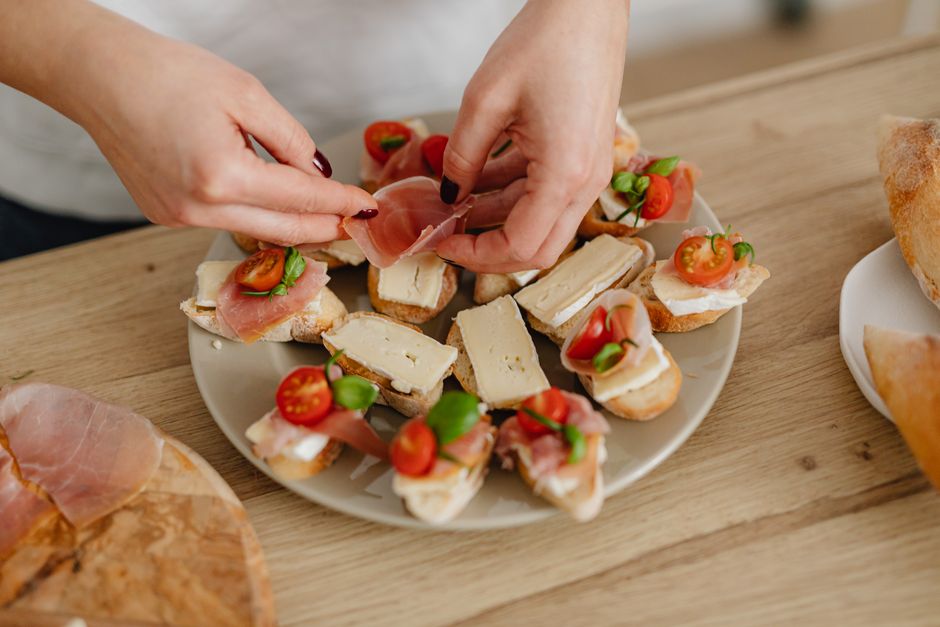
Easy Party Snacks to Buy: 7 Picks for Any Crowd
Easy party snacks to buy include trays, crackers, popcorn, cookies, and filling hot options, matched to guest count and food-safety needs.
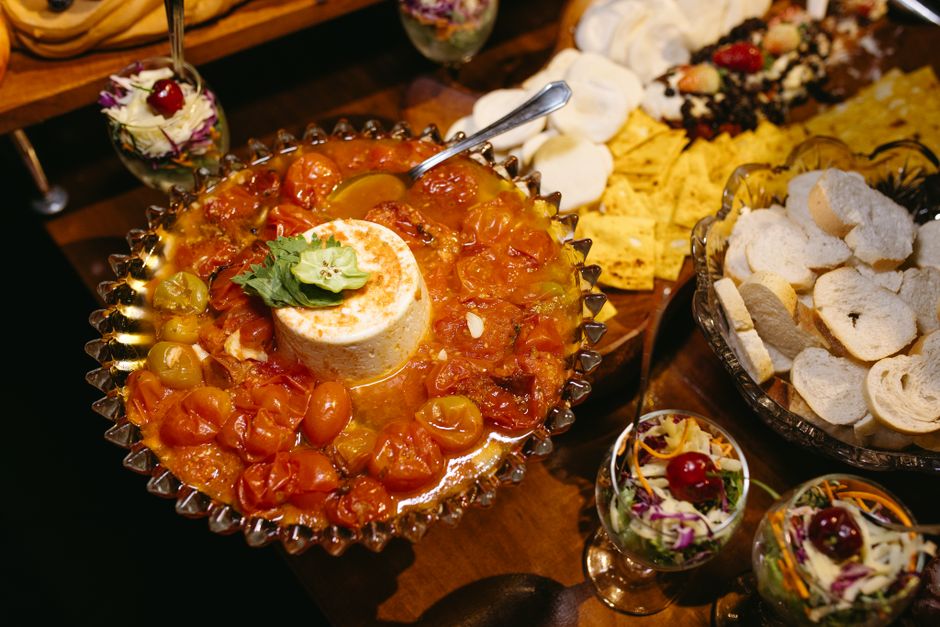
How Can I Plan Party Appetizers for Vegetarian, Gluten-Free, and Dairy-Free Guests?
Plan one shared appetizer spread for vegetarian, gluten-free, and dairy-free guests with clear labels, safe serving, and filling options.
How Many Bite-Size Appetizers Should I Prepare Per Guest?
Calculate bite-size appetizers per guest, build a balanced menu, and safely make ahead for parties of 10 to 100 guests.