
What Are Filling Breakfasts I Can Make in Three Minutes or Prep Ahead?
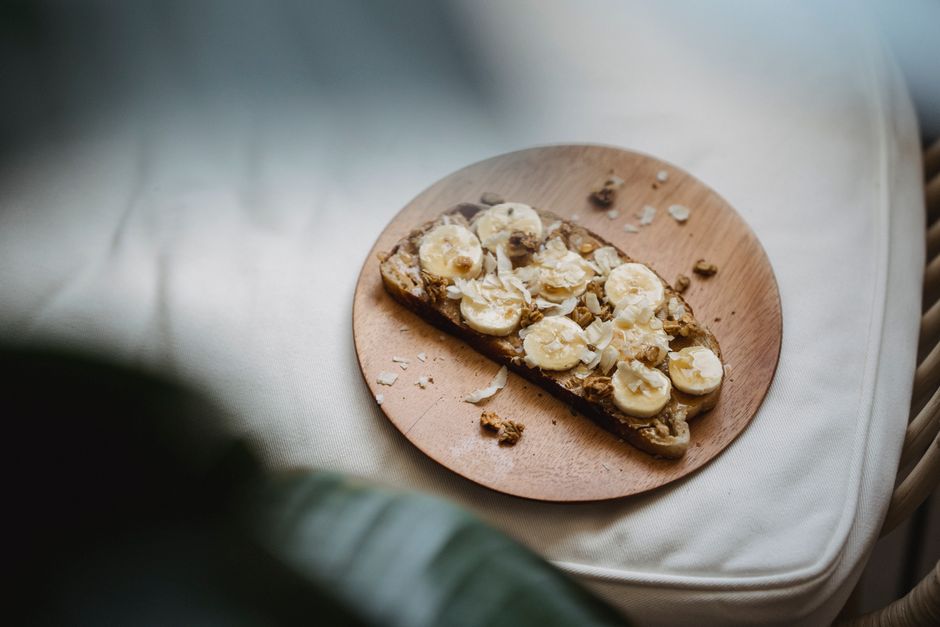
For a filling breakfast on a tight schedule, pair a protein-rich base with fiber and a carbohydrate: assemble yogurt, oats, fruit, and nuts the night before; eat hard-cooked eggs with fruit and oats; or portion a baked egg casserole for the week. The payoff is not a complicated recipe. It is a repeatable breakfast that is ready before the morning gets expensive.
What are protein-packed breakfasts I can make in three minutes?
The fastest protein-packed breakfasts are combinations you assemble from ready-to-eat ingredients, not elaborate recipes. Start with Greek yogurt or a dairy-free yogurt, then add oats, fruit, and almonds or another nut. This is a practical framework rather than a specialty-food project.
The USDA MyPlate overnight oatmeal recipe shows why this format works: oats, milk, yogurt, fruit, and almonds can be mixed ahead, and one serving provides 19 grams of protein and 7 grams of dietary fiber. Its 54 grams of carbohydrates also illustrate an important point: carbohydrates do not make a breakfast weak when they sit alongside protein and fiber.
Another direct option is hard-cooked eggs with fruit and a portion of oats prepared ahead. Do not overthink the formula. Protein is the anchor; fruit, oats, or both supply the carbohydrate and fiber side of the meal. A low-protein breakfast can feel convenient, but convenience that leaves you hunting for food again is not much of a bargain.
| Fast breakfast format | Prepare or assemble | Why it is filling |
|---|---|---|
| Overnight oats with yogurt, fruit, and almonds | Mix the night before and refrigerate | The USDA recipe provides protein, fiber, and carbohydrates in one portion. |
| Hard-cooked eggs with fruit and oats | Cook eggs ahead; pack the rest in a container | Eggs provide the protein base, while fruit and oats complete the meal. |
| Egg casserole portion | Bake and portion ahead; reheat when needed | A ready-to-heat portion removes the morning cooking step. |
Evidence points in the same direction. In a randomized crossover study of 35 premenopausal women, Nutrition Journal research indexed by PubMed found that ready-to-heat breakfasts containing 30 or 39 grams of protein produced higher satiety ratings than a 3-gram-protein pancake breakfast or no breakfast. The tested meals were about 280 calories, which is a useful correction to the idea that a satisfying convenience breakfast must be oversized.
Here is the action: make the first morning decision the night before. Put the container, spoon, and any shelf-stable add-on together before bed.
What can I eat for breakfast when I have no time to cook?
When there is no time to cook, eat a breakfast that was already cooked, chilled, or assembled instead of skipping the meal or defaulting to a low-protein option. Hard-cooked eggs, overnight oats, and a reheated egg casserole all meet that standard when prepared safely.
The familiar assumption is that breakfast requires a stove, a drive-through, or a sacrifice in fullness. But the useful dividing line is preparation time at breakfast, not total cooking time. Cooking eggs once and using them across several mornings turns a weekday task into a refrigerator task.
A second randomized crossover trial, involving 48 healthy adults, compared egg breakfasts with a lower-protein cereal breakfast while keeping each meal at 390 calories and equal fat. According to the PubMed-indexed trial, the 30-gram-protein egg breakfast produced greater overall satiety, while both egg-based breakfasts reduced intake at the next meal compared with the cereal breakfast. One egg breakfast also included 20 grams of protein and 7 grams of fiber, a useful reminder that protein and fiber can work as a team.
Use that evidence as a menu rule: do not build breakfast around one item when two or three components can do more. Pair eggs with fruit and oats. Pair yogurt with oats, fruit, and nuts. Use dairy-free yogurt or milk in the USDA-style oats template if dairy is not part of your diet; switch the fruit or nuts based on what is already on hand. The format stays intact, so the grocery list does not have to become a collection of one-use ingredients.
For a broader workweek strategy, use this site's guide to meal-prepping healthy high-protein meals for the workweek to extend the same portion-first habit beyond breakfast.
What breakfast can I prep once and eat all week?
Prep hard-cooked eggs for up to one week in the refrigerator, or prepare an egg casserole for several breakfasts and use it within three to four days refrigerated; freeze extra casserole portions for later. That is the realistic boundary, not the wishful version where every prepared food is treated as safe forever.
FoodSafety.gov's cold-storage chart defines refrigerator storage as 40 degrees F or below and freezer storage as 0 degrees F or below. It lists hard-cooked eggs at one week in the refrigerator and says they should not be frozen. It lists baked egg casseroles at three to four days refrigerated or two to three months frozen.
That creates a sensible routine. Make hard-cooked eggs early in the week for quick cold breakfasts. Make an egg casserole in portions, refrigerate the portions planned for the next few days, and freeze the rest promptly. Frozen foods held continuously at 0 degrees F or below can remain safe indefinitely, according to the chart, although its freezer timelines are guidance for quality.
Overnight oats work differently: make the next portion the night before rather than treating them as a week-long batch. The USDA recipe explicitly calls for mixing the oats and yogurt and refrigerating them overnight. This keeps the routine easy and avoids making unsupported assumptions about a longer storage window.
Budget pressure is real, not a failure of discipline. The USDA Economic Research Service reported that food-at-home prices rose by an average of 2.6% per year from 2005 through 2024, and its February 2025 forecast expected grocery prices to increase 3.3% in 2025. Repeating flexible ingredients across breakfasts is not glamorous. It is how a grocery plan stops losing to rushed mornings.
Set a weekly reset: boil eggs or bake a casserole, check that the refrigerator is at 40 degrees F or below, portion the next few breakfasts, and freeze what falls outside the refrigerated window.
Frequently Asked Questions
How can I make a quick breakfast that keeps me full until lunch?
Use a protein-rich base and add fiber and carbohydrates in the same meal. In controlled trials, breakfasts with 30 grams of protein produced greater satiety than lower-protein breakfasts, and an egg breakfast with protein and fiber reduced intake at the next meal compared with a lower-protein cereal breakfast. A practical format is overnight oats with yogurt, fruit, and almonds, or eggs paired with oats and fruit.
What is a cheap alternative to buying breakfast on the way to work?
Prepare individual portions from groceries already intended for the week, such as oats, yogurt or a dairy-free substitute, fruit, nuts, and eggs. USDA reported that grocery prices were forecast to rise 3.3% in 2025, so repeating a short grocery list and using it before it spoils is a more controlled approach than making an unplanned breakfast purchase. Set out one ready portion the night before, then take it with you.
Sources
Read next
What Are 20 Cheap Snacks I Can Buy at the Grocery Store?
A practical guide to 20 affordable snack ideas, batch prep, food storage, and a flexible grocery list that reduces waste.
What Are Filling, Portable High-Protein, High-Fiber Snacks?
A practical guide to portable snacks with protein and fiber, including label checks, yogurt, and make-ahead peanut butter apple wraps.

What Are the Best Mess-Free, Lower-Sugar Road Trip Snacks for Kids?
A practical guide to age-appropriate, lower-sugar road trip snacks, cooler safety, portioning, and fast gas-station choices.

How Do I Plan a Crowd-Pleasing Buffet Menu at Home?
Plan a balanced home buffet with portions, make-ahead dishes, dietary choices, and food-safety times and temperatures.